
Last updated November 24, 2026
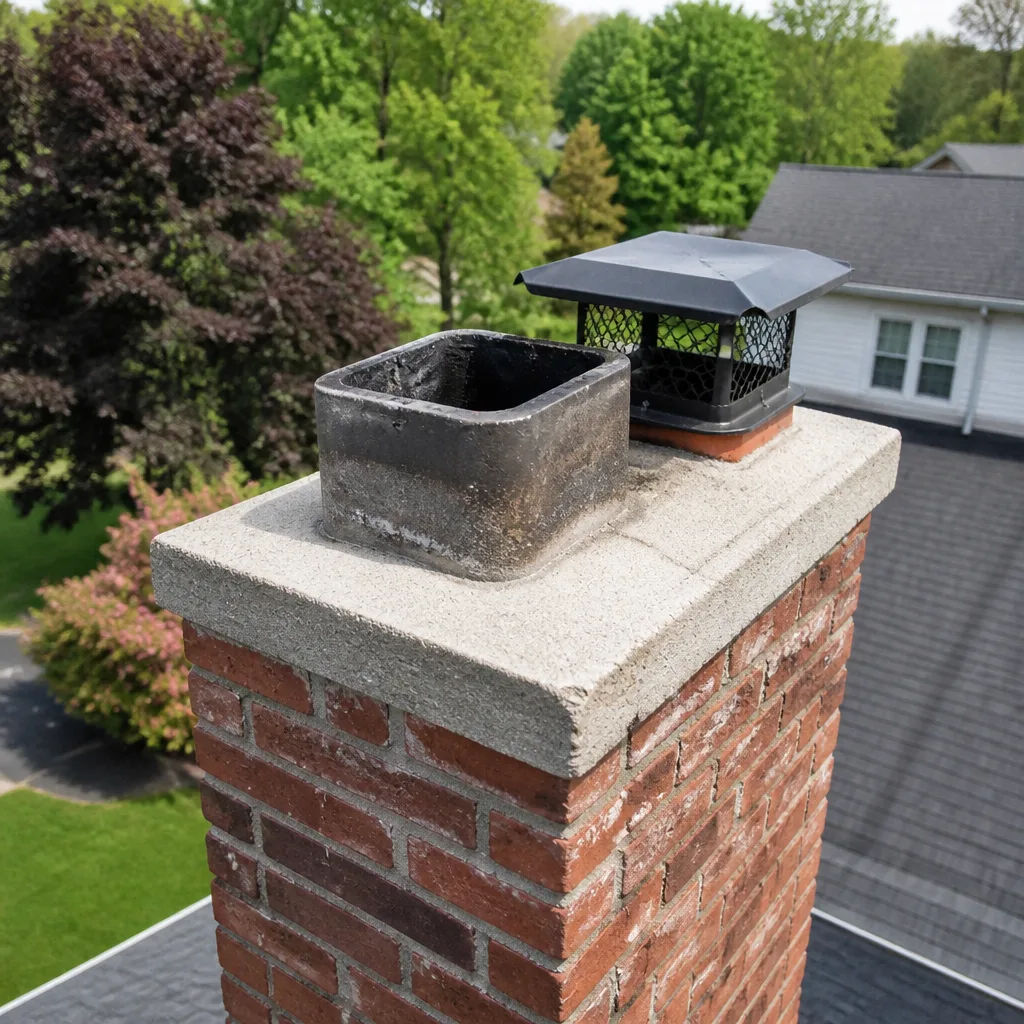 Sweep & inspection
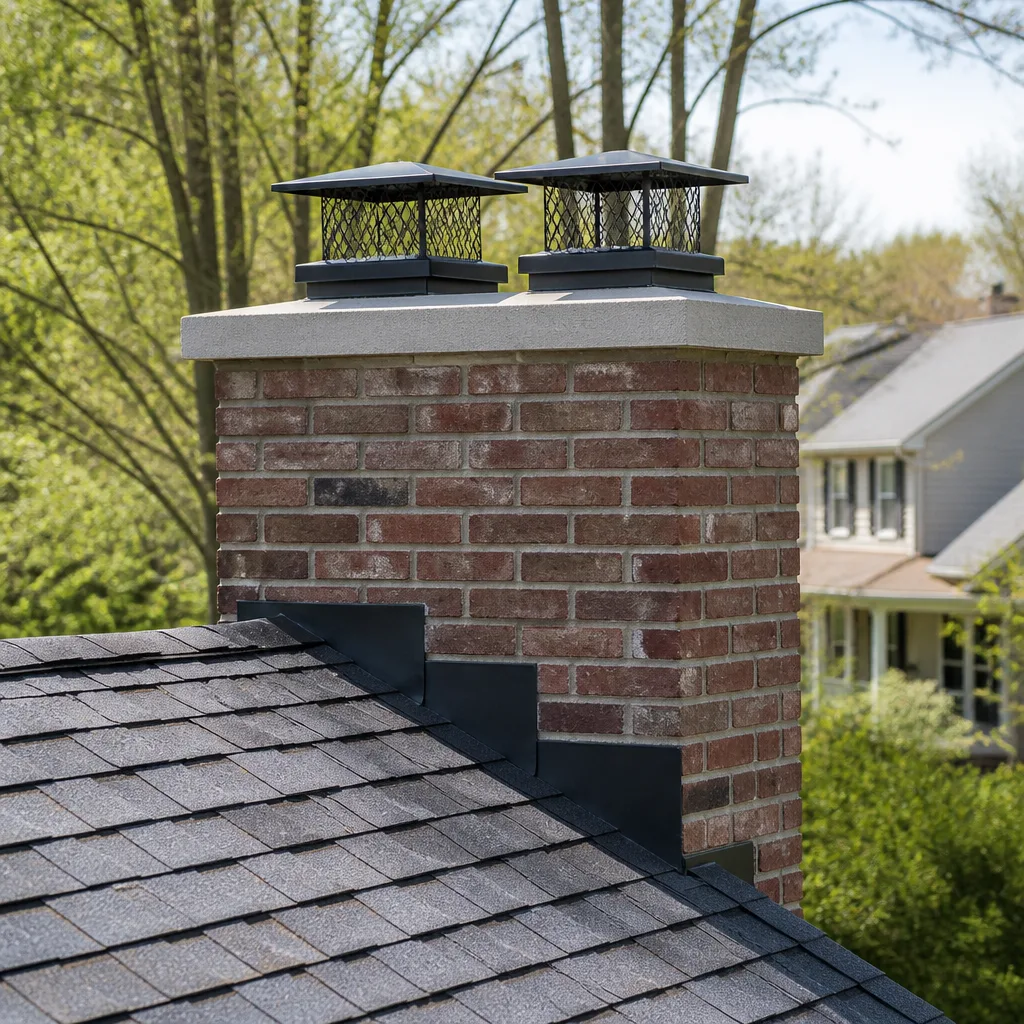 Caps & crowns
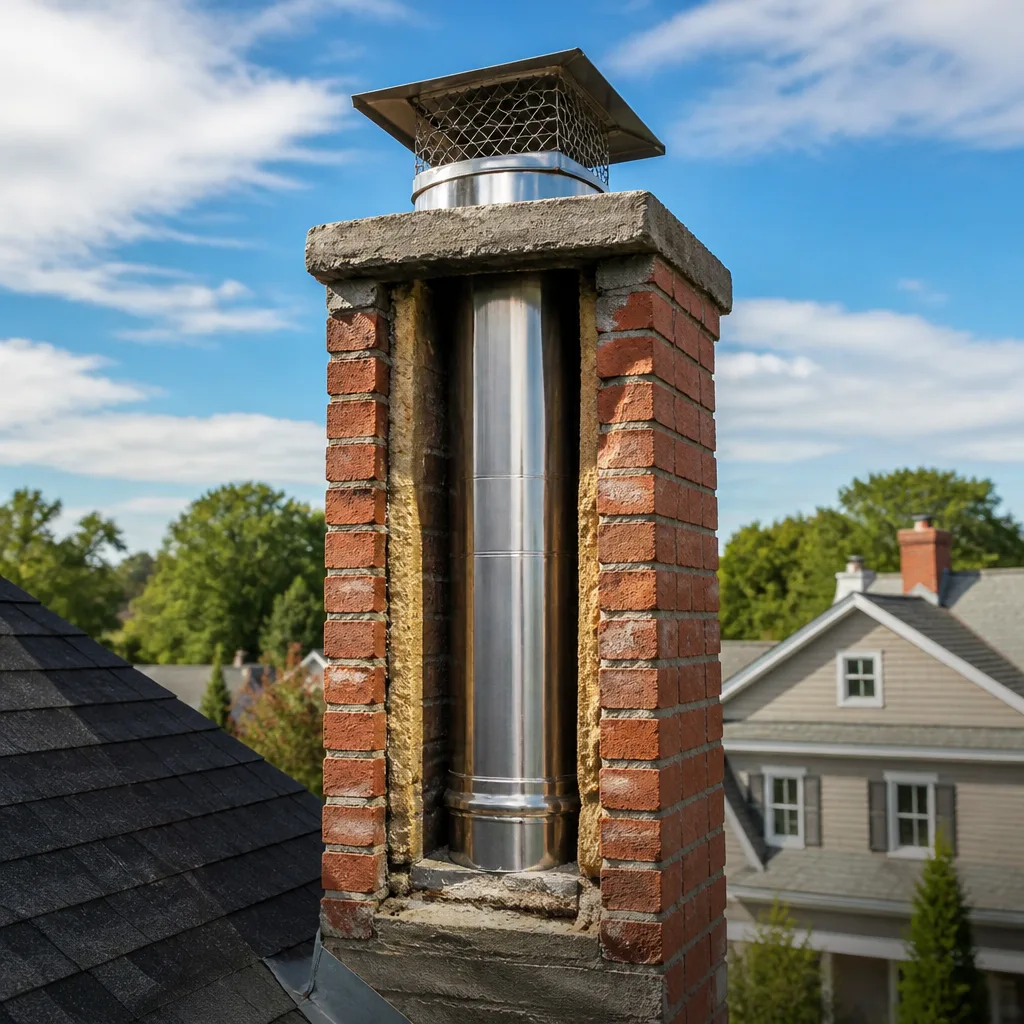 Flue relining
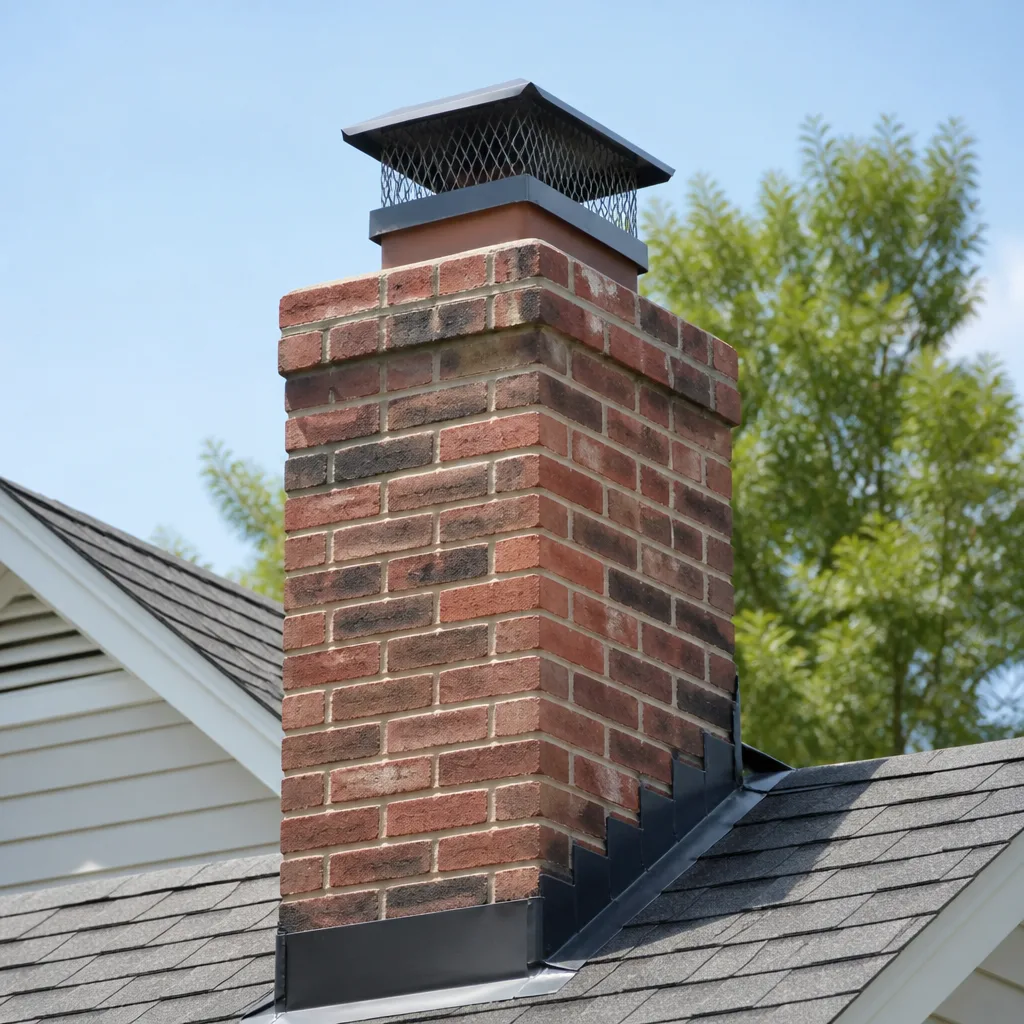 Masonry repair
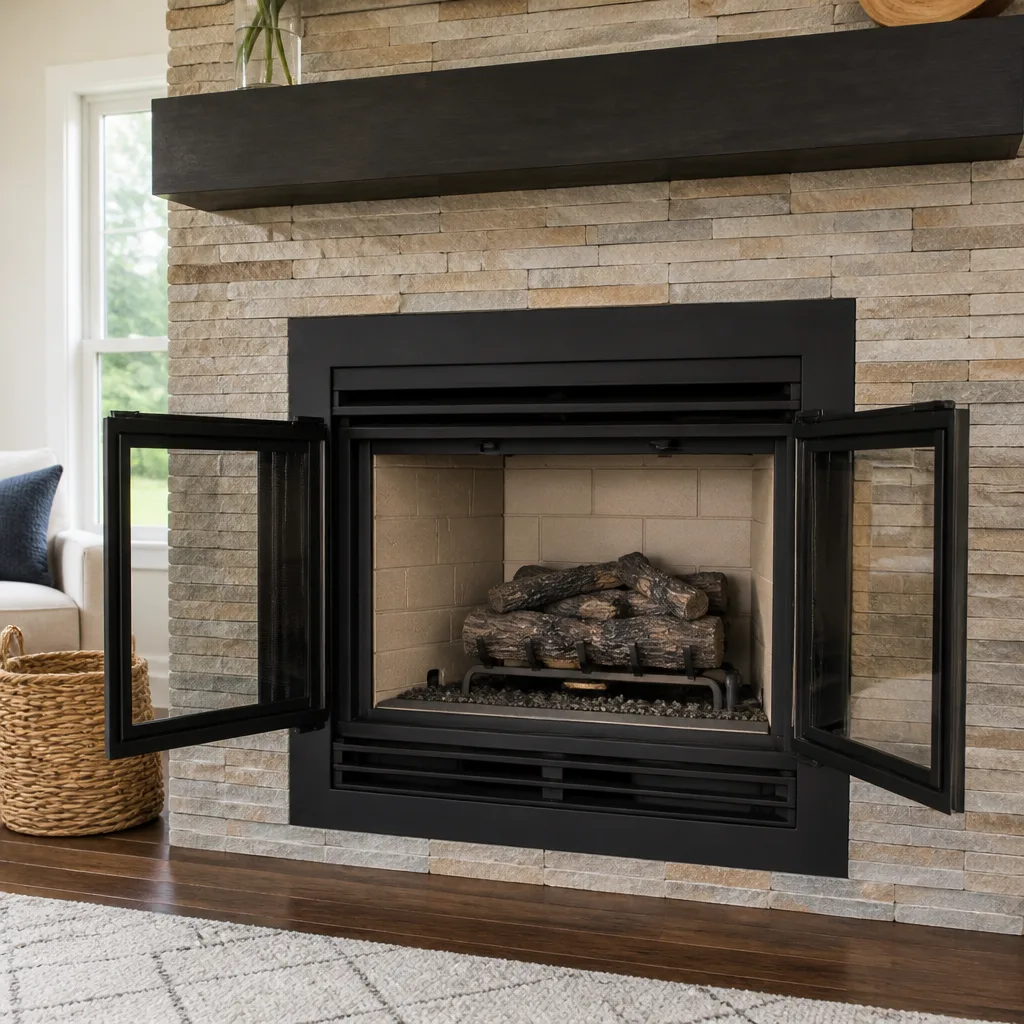 Gas fireplace service
Level 1 sweep and inspection to the NFPA 211 annual standard - flue, crown, cap, and flashing checked and photographed
Chimney sweep logs do not sweep chimneys. They loosen some creosote - which then falls where a brush and vacuum still have to collect it.
The Complete Guide to Chimney Cleaning in Sharpstown
Most Sharpstown chimneys that catch fire haven’t skipped a cleaning. They’ve had a cleaning that went three inches deep and stopped. Here in Sharpstown, the burning season doesn’t run cold and constant the way it does up north. It starts and stops. A few cool nights in December, a mild stretch in January, another cold snap in February. Each of those short burns lays down a fresh layer of creosote, and the humid air between them cures it onto the flue liner instead of letting it dry and flake away. What you end up with is a hard, glazed shell that a brush skips right over.
This guide covers what a real chimney cleaning in Sharpstown involves, how Houston’s humidity changes the picture, which inspection level your home actually needs, and how to read a cleaning report so you know what’s coming. We’ll also cover why gas fireplaces need attention too, and the red flags that tell you repair work won’t wait forever.
Quick Answer
A proper chimney cleaning in Sharpstown means removing creosote at every depth it exists, not just the loose soot at the top, followed by an inspection that identifies glazing, moisture damage, or liner problems. Most Sharpstown homes with a wood-burning fireplace need a Level 2 inspection at least once, and many need it sooner because of how humidity interacts with intermittent burning. Gas fireplace flues also build up byproducts in this climate, so “we only burn gas” is not a reason to skip the sweep.
Styles & brands we work with
- Sweep & inspection
- Caps & crowns
- Flue relining
- Masonry repair
- Gas fireplace service
Table of Contents
- Why Sharpstown Chimneys Age Differently
- The Three Stages of Creosote (And Why Stage 2 Matters Most Here)
- Level 1, Level 2, Level 3: Which Inspection Does Your Sharpstown Home Need?
- Why Gas Fireplace Flues in Sharpstown Need Cleaning Too
- What a Full-Service Cleaning Actually Includes
- How to Read a Cleaning Report
- How Often Should a Sharpstown Chimney Be Cleaned?
- From Inspection to Repair: What Happens Next
Why Sharpstown Chimneys Age Differently
Sharpstown sits in a humid subtropical pocket. Summers are long and heavy with moisture, winters are short and mild, and the shoulder seasons are warm enough that most fireplaces sit idle for months. That pattern shapes chimney wear in ways a national guide written for a cold-climate homeowner won’t tell you.
Three things happen in this climate that don’t happen as much in dry, cold regions:
- Creosote cures instead of drying. In a cold, dry climate, creosote deposits can dry out and become brittle between burns, so a brush knocks them loose. In Sharpstown’s humidity, those deposits stay tacky longer, then cure into a hard glaze when the next fire heats the flue. Glaze does not brush off.
- Intermittent burning builds layers faster. A fireplace used 10 to 15 times a year in a cold climate might see two months of steady burning. The same 10 to 15 fires in Sharpstown often fall across a stop-and-start season with weeks of humid idle time between them. Each restart cooks a fresh layer onto the last one.
- Exterior chimney walls sweat. Masonry chimneys on the outside of a Sharpstown home absorb moisture from humid air and from rain driven against the brick. That moisture works its way into the flue and weakens mortar joints over time. A cap and crown in good repair is what keeps most of it out.
What does that mean for a homeowner? It means the age of your chimney tells you less than the burn pattern does. A Sharpstown fireplace used a dozen times a year can build glazed creosote faster than a fireplace up north that runs every night for a month, because the northern fire burns hot and long and the occasional fire here runs cooler with more idle time. If your chimney hasn’t been looked at in a few seasons, the sweep is the easy part. The inspection is where the real information lives. We handle both in one visit through our chimney sweep service, and we’ll tell you plainly what we find.
The Three Stages of Creosote (And Why Stage 2 Matters Most Here)
Creosote is the residue left behind when wood smoke cools on its way up the flue. It doesn’t arrive in one form. It moves through three stages, and each one behaves differently.
- Stage 1: Soot and flaky dust. A thin, powdery layer. This is what a standard brush removes easily. It’s the least dangerous stage, but it’s also the layer most sweep-only visits stop at.
- Stage 2: Hard, crusty, or glazed deposits. As more smoke condenses on top of Stage 1 deposits, it cures into a hard shell. In Sharpstown’s humidity, this happens faster than the burn count would suggest. Stage 2 creosote is the fuel load most chimney fires draw from. A brush will not remove it. It takes a rotary head, chemical treatment, or in stubborn cases resurfacing.
- Stage 3: Glaze. A shiny, hardened shell burned onto the flue liner like varnish. This is highly combustible and the hardest to remove. Once creosote reaches this stage, cleaning alone may not be enough.
Here’s the part that matters: a cleaning that removes only Stage 1 and leaves Stage 2 behind isn’t a cleaning. It’s a tidy-up. The report says “cleaned,” the homeowner feels relieved, and the hazard stays right where it was. In our experience in Sharpstown, that’s the most common pattern: a surface pass that never touched the layer that actually threatens the house.
If a technician tells you a chimney was cleaned but doesn’t mention what stage of creosote was found, that’s an incomplete answer. Ask. A real sweep knows the difference and can tell you what they saw.
Level 1, Level 2, Level 3: Which Inspection Does Your Sharpstown Home Need?
NFPA 211 lays out three inspection levels, and the level matters because each one looks at different things. Here’s the plain-English version.
- Level 1. A visual look at the readily accessible parts of the chimney and flue, done with basic tools. It’s the routine check for a chimney with no known problems, no changes in how it’s used, and nothing new added to the system. Many yearly cleanings come with a Level 1 as the baseline.
- Level 2. Everything in a Level 1, plus a look at accessible parts of the chimney that a Level 1 doesn’t reach, often with a camera. A Level 2 is what you need after a change: a new fireplace installation, a switch from wood to gas, an appliance change, a chimney that’s had a fire, a change of occupancy, or a property you’ve just bought. It’s also the level many Sharpstown homes land at because so many here have bought a house where the chimney’s history is unknown.
- Level 3. The deepest look, done only when a Level 1 or Level 2 raises a question that can’t be answered any other way. A Level 3 may involve opening walls or removing parts of the chimney. It’s not routine.
Which does a Sharpstown home typically need? For a house under a new owner, or one where gas converted from wood, or one where the flue was never checked after a prior fire, the answer is a Level 2. If you’ve been in the house for years, burn regularly, and know the chimney’s been maintained, a Level 1 with a cleaning is often right. We do both NFPA 211-style visual inspections and Level 2-style inspections with cleaning, and the inspection connects to the repair side rather than leaving you holding a report with nowhere to take it.
If you’ve had chimney inspections before, dig out the last report. If it doesn’t state the level, that’s a hint it was a light look. Ask for the level in writing on your next visit. It’s the single clearest way to know what was actually checked.
Why Gas Fireplace Flues in Sharpstown Need Cleaning Too
“We only burn gas, so we don’t need a chimney sweep.” We hear it often, and in a humid climate like Sharpstown’s it’s the wrong instinct. Gas fireplaces don’t produce creosote, but they do produce byproducts that build up in the flue.
A gas fireplace vents combustion byproducts: water vapor, and depending on the fuel, other deposits. In a humid climate these byproducts condense on cooler flue surfaces, especially when the fireplace runs for short periods and the flue never gets hot enough to carry the vapor fully out. What accumulates is a film that can corrode the flue liner over time, and a film that can also restrict draft. A liner that’s been eaten by acidic condensate is a real repair, not a hypothetical one.
Gas fireplaces also collect dust, lint, and debris from the room through the venting. A homeowner in Sharpstown who runs a gas log set now and then will still see dust and deposits on the firebox and flue that a sweep should handle. If you’ve switched from wood to gas, the flue liner that handled wood may need assessment for the gas appliance’s venting requirements.
The takeaway: gas is not a pass on cleaning. At minimum, have the flue inspected and the firebox cleaned on a sensible schedule. If you’ve never had a gas fireplace’s flue looked at, that first appointment is worth having. It’s also a good time to make sure your chimney cap & crown are intact, since a cap does the same job for a gas flue that it does for a wood-burning one: it keeps rain and animals out of a system you can’t see.
What a Full-Service Cleaning Actually Includes
This is where “sweep-only” visits and full-service visits split apart. A sweep-only visit gets the fireplace box and the accessible flue cleaned and leaves. A full-service cleaning looks at the whole system and connects the cleaning to whatever the inspection turns up. Here’s what a full-service chimney cleaning should physically include.
- Protect the room. Drop cloths and containment so the soot goes up the flue and out, not into your living room. This is the part that separates a professional job from a hurried one.
- Clean the firebox and smoke shelf. Clear the firebox, then the smoke shelf where soot collects. A chimney sweep Sharpstown homeowners can trust is thorough here, because the smoke shelf is where a lot of debris hides.
- Sweep the flue to full depth. Brush the full length of the flue, using rotary equipment where deposits are hard and glazed, not just a light pass. This is where Stage 2 creosote gets dealt with or doesn’t.
- Clean the damper and throat. The damper needs to open and close cleanly. Soot buildup can bind it, and a damper that won’t open properly defeats the whole system.
- Inspect after cleaning. A visual or Level 2 inspection after the debris is gone, because problems are far easier to see on a clean flue than a dirty one. This is where we note glazing, liner damage, or joint failures.
- Check the cap and crown. An exterior look at the cap and crown, since those are what keep water out of the chimney in the first place. This is where a fireplace repair need often starts.
A sweep-only visit might do items 1 through 3. The difference isn’t just extra work. It’s that a full-service visit tells you what’s going on with the whole system, and a full-service shop can act on it. A sweep-only crew that hands you a diagnosis and drives away has done half the job.
We handle the sweep and the repair, no referrals and no second contractors. The same team that inspects your chimney can perform any required repair, whether that’s installing a DuraFlex flexible liner, applying HeatShield ceramic resurfacing to the flue, or fitting a Famco or Copperfield cap. That continuity is what keeps the work moving instead of stalling while you find a second contractor.
How to Read a Cleaning Report
What’s in the report matters more than the fact that you got one. A good report tells you what was found, at what depth, and what it means. Here are the red flags to watch for.
- No creosote stage noted. If the report doesn’t say what stage of creosote was found, or describes the chimney only as “cleaned,” it’s a surface answer. Ask what stage was observed.
- “Needs liner replacement” with no detail. A liner recommendation should come with evidence: what was seen, where, and how. A homeowner who can’t verify the evidence has no way to decide anything. At Chimney Sweep Sharpstown we show what we found before we recommend anything, and we tell you when work can wait. If the flue is sound and the glaze is mild, a repair might not be urgent. If the liner is cracked or glazed through, that’s a different timeline.
- Vague cap or crown comments. “Crown needs attention” tells you little. A useful report says whether the crown has cracks, whether water is getting in, and whether a cap is missing or damaged.
- Repairs recommended but no path to them. If the report lists work but the crew doesn’t do it, you’re being handed a diagnosis by a party with no skin in the follow-through. That’s the classic sweep-only dead end.
- No inspection level named. A report that says “inspected” without a level tells you how much wasn’t looked at.
Read the report like you’re reading a mechanic’s diagnosis. Real findings come with detail. A one-line verdict with no evidence is a hint to get a second opinion before you commit to a big repair. The best insurance against being upsold is a report with evidence you can see, and a shop willing to say “this can wait” when it can.
How Often Should a Sharpstown Chimney Be Cleaned?
There’s no single interval that fits every Sharpstown home. The right answer depends on how much you burn, how moist your wood is, and how much of the year the flue sits humid and untouched. That said, here’s a practical guide.
- Burning 10 to 15 times a year or more: have the chimney swept and inspected at least once a year. That’s the baseline most chimney professionals suggest, and in Sharpstown’s climate the humidity makes it a good floor, not an over-cautious one.
- Burning once or twice a year: an annual inspection is still wise, and a sweep on the schedule the inspection supports. Many of these homes can stretch cleaning on the very lightest use, but the inspection is the piece you don’t skip.
- Gas fireplace: inspect and clean the firebox and flue on a sensible schedule, at least once a year for the inspection, because gas system problems show up visually.
- After a change: new home, new fireplace, switch to or from gas, a chimney fire, or a long stretch with no service: book a Level 2 inspection regardless of the calendar.
There’s a shortcut that works better than counting fires: look at the smoke. If it rolls into the room instead of drawing up the flue, or if the fire is hard to start and smoky, draft has likely dropped, and draft drops when the flue is blocked or the liner is compromised. That’s an inspection cue, not a “wait until next year” cue. If it’s been several seasons since you’ve had anyone look at it, that’s the other cue.
From Inspection to Repair: What Happens Next
Most repairs in a Sharpstown chimney start as a small repair that was put off. That isn’t a scare tactic. It’s the pattern of how chimney systems fail. Water gets into a crown, the mortar weakens, the flue cracks, and what starts as a cap or crown job turns into a liner job.
When we inspect a Sharpstown home and find a problem, here’s roughly how the decision path goes.
- A cap or crown issue. If the crown is cracked or the cap is missing or damaged, water and animals get into the flue. New Chimney Sweep Sharpstown customers often find this is the first fix. A properly fitted cap and a sound crown keep a lot of downstream damage from happening in the first place.
- A liner with minor glazing or light damage. HeatShield ceramic flue-resurfacing can repair the flue’s interior without replacing the whole liner. It’s a targeted fix and a proven alternative to full liner replacement, backed by the HeatShield manufacturer’s product warranty.
- A liner that’s cracked or badly compromised. A DuraFlex flexible liner is installed to reline the flue. It’s a nationally recognized product line used by professional chimney contractors, and it’s the reliable answer when a liner needs to be replaced rather than resurfaced.
- Firebox or fireplace damage. Cracks in the firebox or fireplace floor call for fireplace repair. This is where small issues, if caught early, stay small.
We’ve built our service around the fact that repair work shouldn’t stop at a recommendation. We install HeatShield, DuraFlex, and Olympia Chimney and Copperfield components, so the parts going into your flue are trade-grade and documented. Our technicians have up to 14 years of experience, and the work comes with a satisfaction guarantee.
Common Mistakes to Avoid
- Treating a cleaning as an inspection. A sweep that brushes the flue and leaves hasn’t looked at your liner, crown, or firebox. The clean is the start of the job, not the whole job. Ask what was inspected and at what level.
- Accepting a report with no detail. A one-line “needs repair” is not a diagnosis you can act on. A real report says what was found, where, and why it matters, so you can see the evidence rather than take it on faith.
- Skipping the gas fireplace. “We only burn gas” is the mistake we correct most often in Sharpstown. Gas flues need the firebox cleaned and the flue inspected, and humid climates speed up the condensate that eats a liner.
- Burning wet wood. Wood that hasn’t dried properly gives off more smoke and more creosote, and it burns cooler. In Sharpstown’s humidity, wood wants real time to dry. If it’s hissing and smoking, it isn’t ready.
- Ignoring drafts and smoky fires. A fire that smokes into the room is telling you the draft is compromised. That’s a cue to inspect, not a nuisance to tolerate. It often traces back to a blocked or damaged flue.
- Letting a crown crack go. A cracked crown lets water into the chimney, and water accelerates damage to the flue. A small crown fix now is far cheaper than a liner job later.
- Assuming a prior cleaning was a real one. A report that says “cleaned” doesn’t tell you whether Stage 2 creosote was addressed. If you can’t tell, it wasn’t. Ask for the stage, or have it checked.
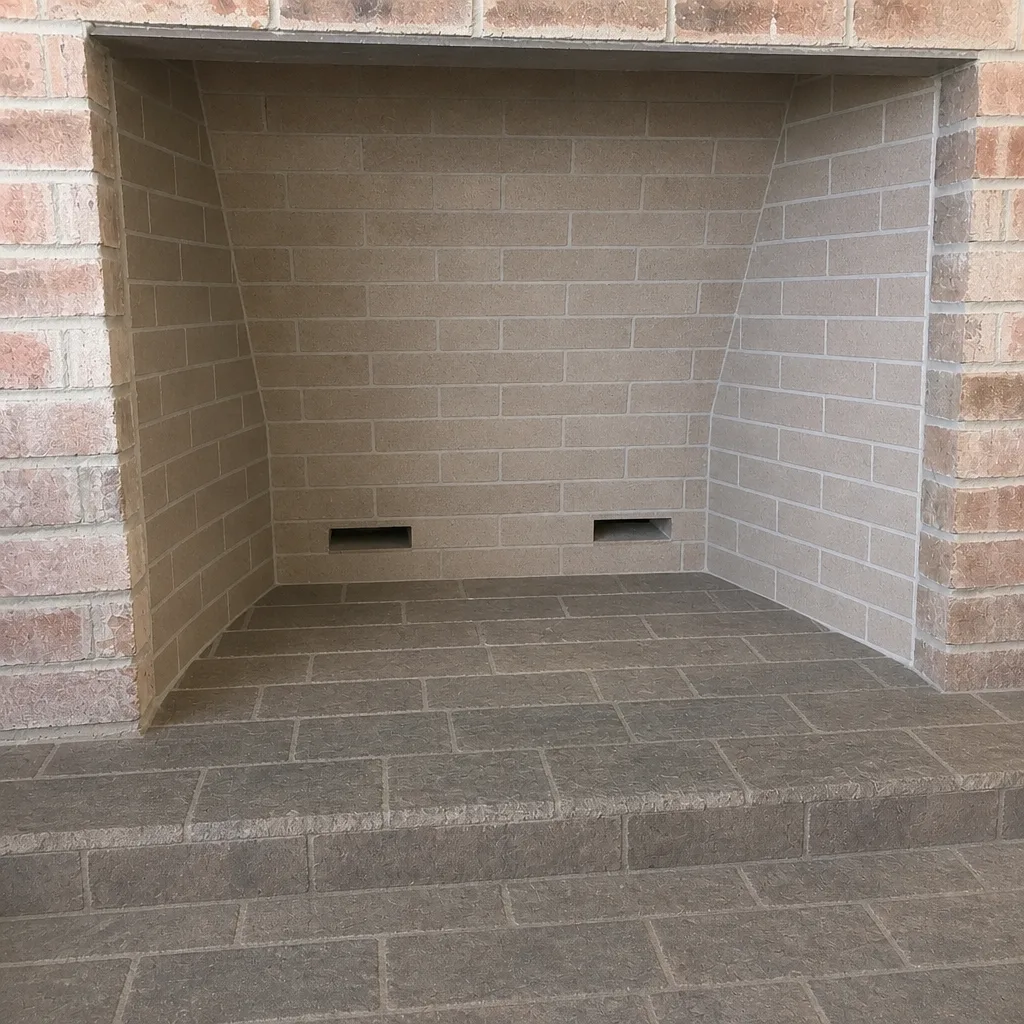
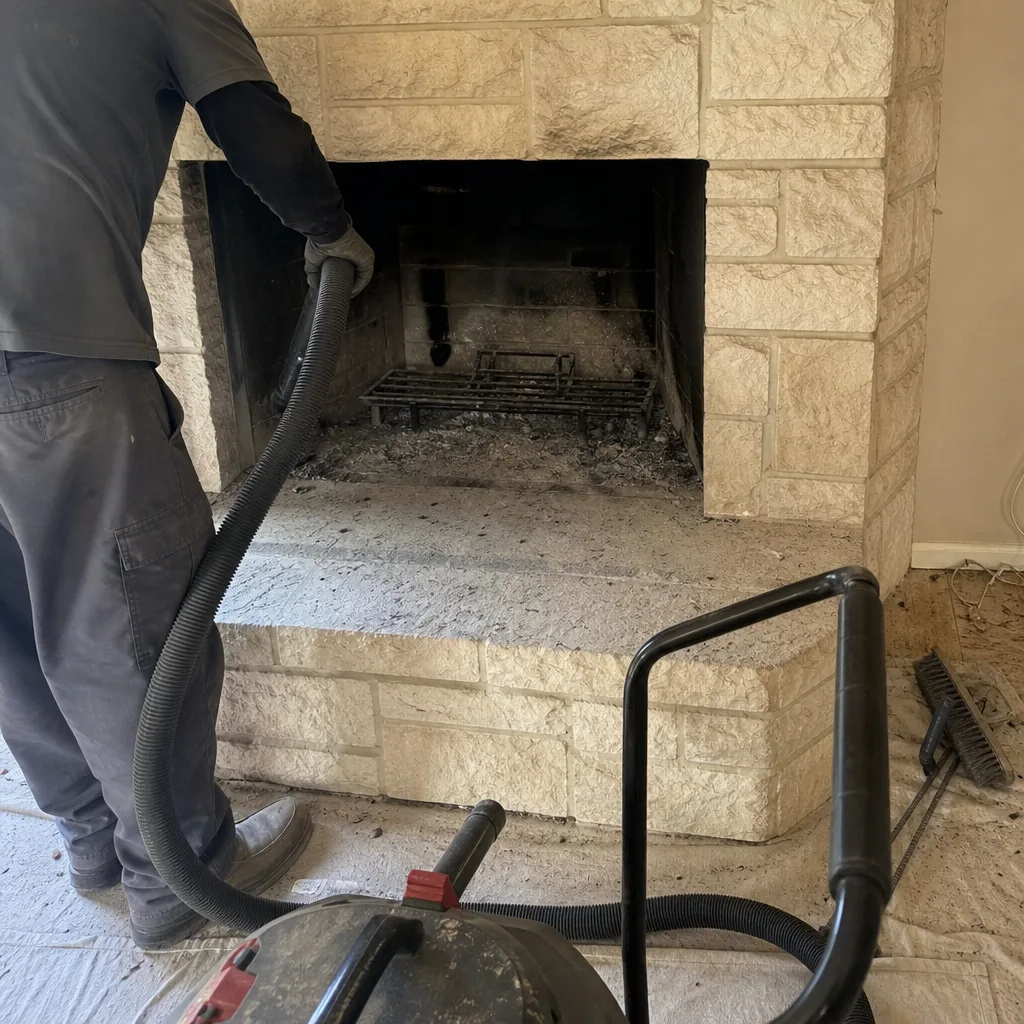
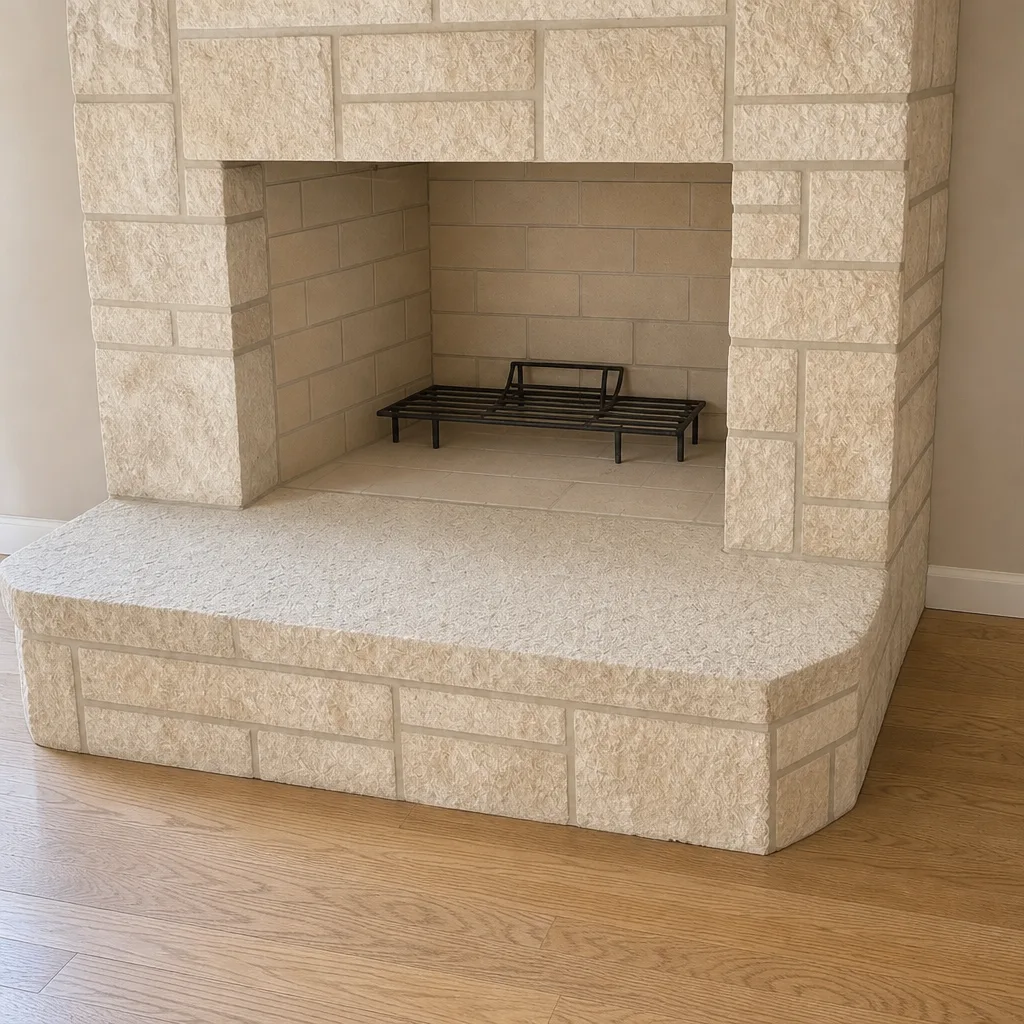
See the difference
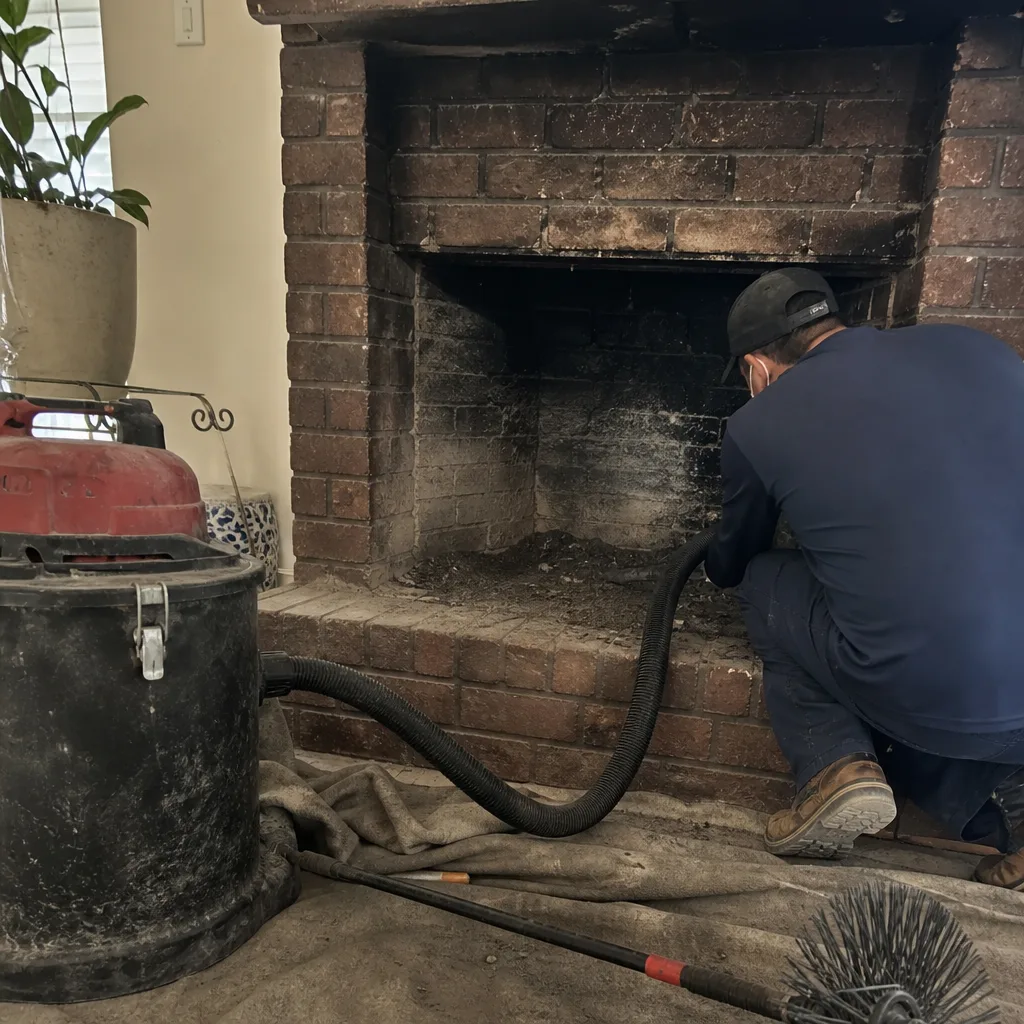 Before
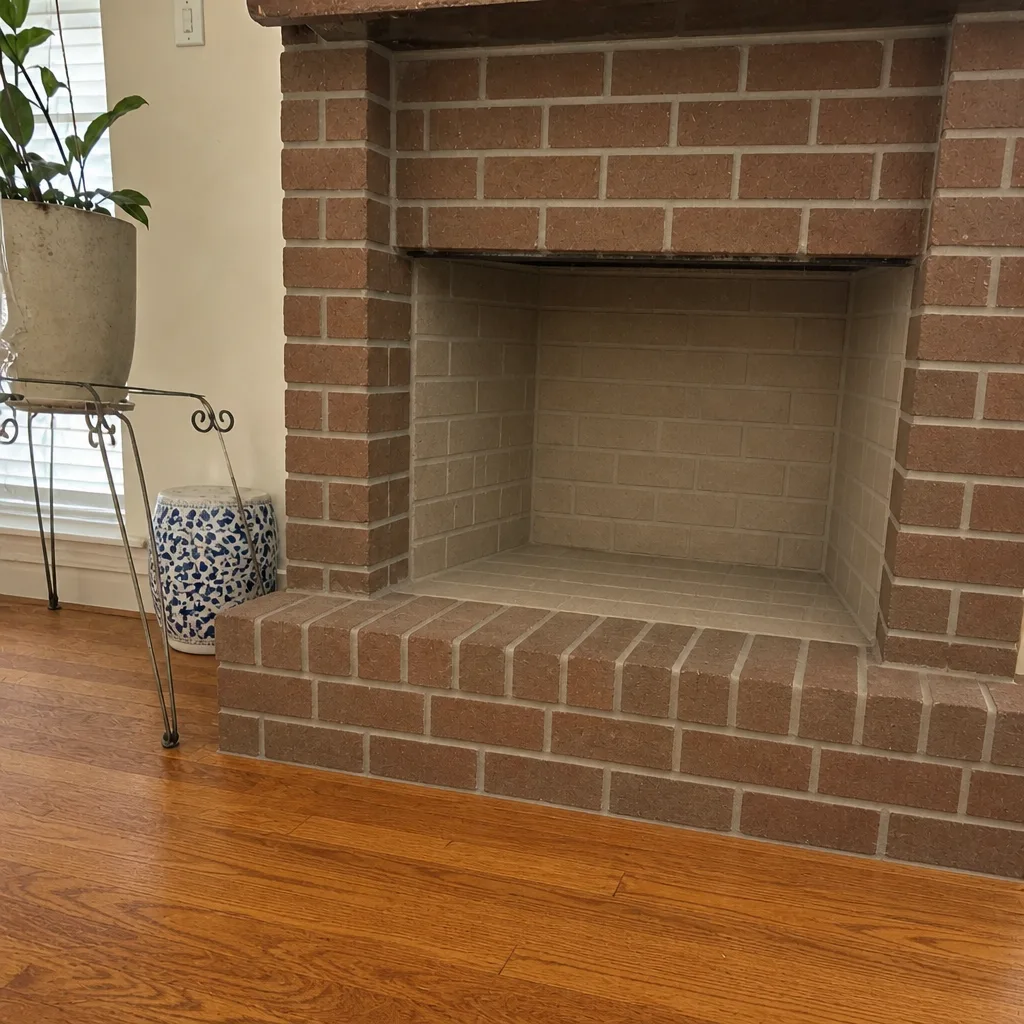 After
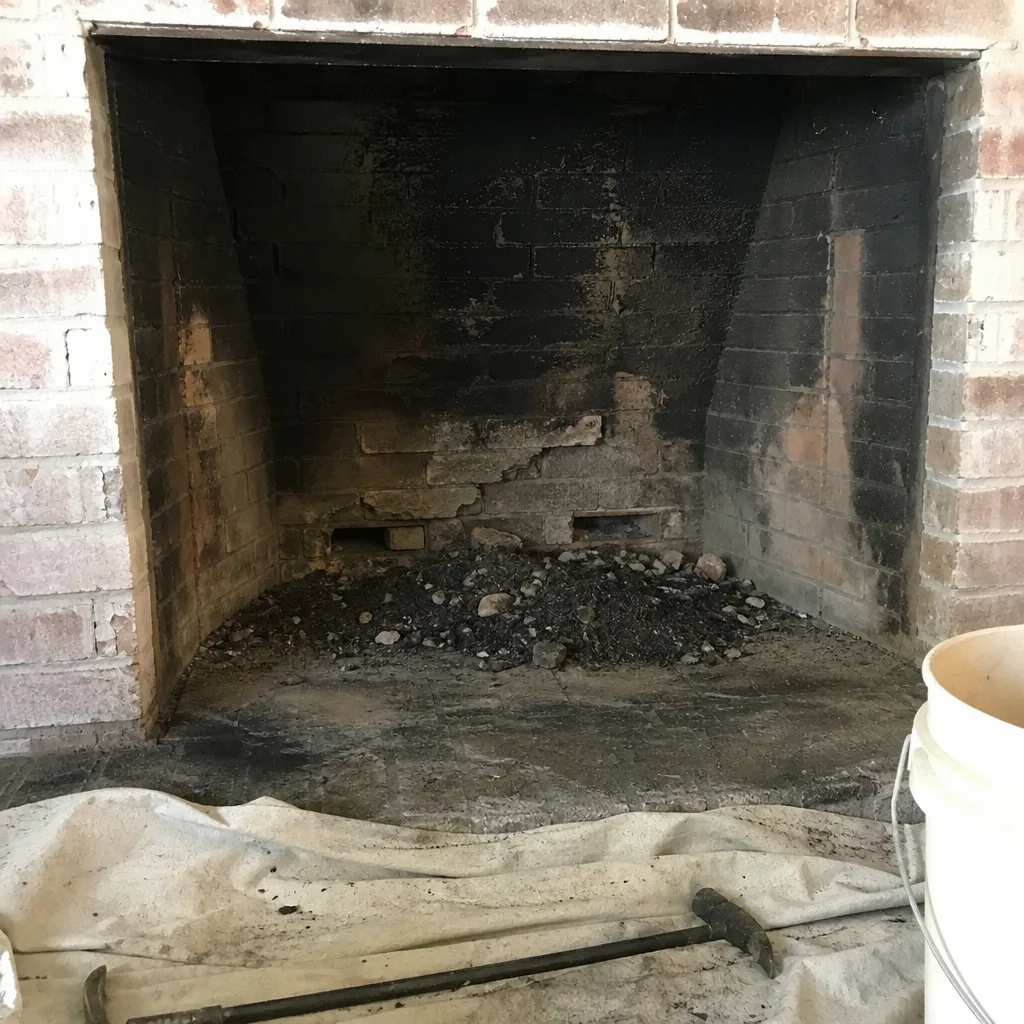 Before
 After
 Before
 After
When to Call a Professional
Some chimney work is not a do-it-yourself job, and cleaning a flue is on that list. The equipment, the containment, and the access are the reasons a homeowner hires a professional, and the flue is the part of the job where the right tools decide whether the Stage 2 creosote gets dealt with or stays behind. Call a professional if you’ve never had the chimney inspected, if it’s been several seasons since the last service, if you’ve switched fuels, if you’ve bought the house and don’t know the chimney’s history, if the fireplace smokes into the room, or if a prior report flagged repairs that were never made. A gas fireplace with no service history is another reason to call. Chimney Sweep Sharpstown offers free estimates in Sharpstown, and we do the inspection and the repair in one place. Call (833) 991-8956. We answer 24/7. Fast dispatch from 7am to 7pm, Sunday through Friday.
Frequently Asked Questions
A chimney cleaning in Sharpstown is priced per job by a written estimate, and the estimate is free. The final price depends on what the cleaning actually involves: the depth of creosote, the length and condition of the flue, the type of fireplace, and what the inspection uncovers. We don’t quote a number before we’ve seen the chimney, because a surface sweep and a full-depth cleaning with a Level 2 inspection aren’t the same job. Call (833) 991-8956 for a free estimate.
Not always. A cracked or badly compromised flue liner does need relining, and a DuraFlex flexible liner is the reliable fix. But a liner with minor glazing or light interior damage can often be repaired with HeatShield ceramic resurfacing, a targeted alternative to full replacement. The only way to know which you need is an inspection that shows the evidence. We show you what’s there before recommending anything, and we say plainly when work can wait. Call (833) 991-8956 for an inspection and a straight answer.
For a fireplace used 10 to 15 times a year or more, at least once a year, with an inspection each time. Gas fireplaces should be inspected yearly too, with the firebox and flue cleaned on the schedule the inspection supports. Homes used only very lightly can sometimes stretch cleaning, but the inspection is the piece that shouldn’t be skipped, especially in Sharpstown’s humidity. Call (833) 991-8956 to book an inspection.
The creosote that builds up is combustible, so skipping cleanings leaves fuel on the flue liner, and the risk is a chimney fire. Separately, water getting into a cracked crown or a damaged cap works its way into the flue, and a small repair becomes a liner job. Neither of those is a certainty, and we won’t tell you it is. The right way to know is an inspection. Call (833) 991-8956. Estimates are free.
Stop-and-start burning in a humid climate is the usual reason. Each short burn lays down creosote, and humid idle time keeps the deposits tacky so they cure onto the flue rather than drying and flaking away. The result is Stage 2 glazing after fewer fires than you’d expect. Cooler, smokier fires make it worse. An inspection will tell you whether you’re seeing seasoning from a mild winter or actual glazing that needs removal.
Yes. Gas fireplaces vent water vapor and combustion byproducts, and in Sharpstown’s humidity those condensate on cooler flue surfaces and can corrode the liner over time. The firebox and flue still collect dust and debris too. The service is a cleaning and inspection, not a wood-sweep, but the flue still needs looking at. Call (833) 991-8956 to book it.
The Bottom Line
Chimney cleaning in Sharpstown isn’t just a soot-removal errand. The humid climate and the stop-and-start burn season mean creosote cures onto the flue at a stage a brush can’t fix, so a cleaning that stops at the surface leaves the hazard in place. Get the creosote dealt with at full depth. Get an inspection that names its level. Read the report for evidence, and don’t accept “needs repair” without the detail that lets you see it. And don’t assume a gas fireplace skips the work. Chimney Sweep Sharpstown handles the sweep, the cap and crown, the fireplace repair, the chimney repair, and the inspection in one place. If your chimney hasn’t been looked at in a few seasons, call (833) 991-8956 for a free estimate. We answer 24/7. Fast dispatch from 7am to 7pm, Sunday through Friday.
Written by the team at Chimney Sweep Sharpstown.