
Last updated November 24, 2026
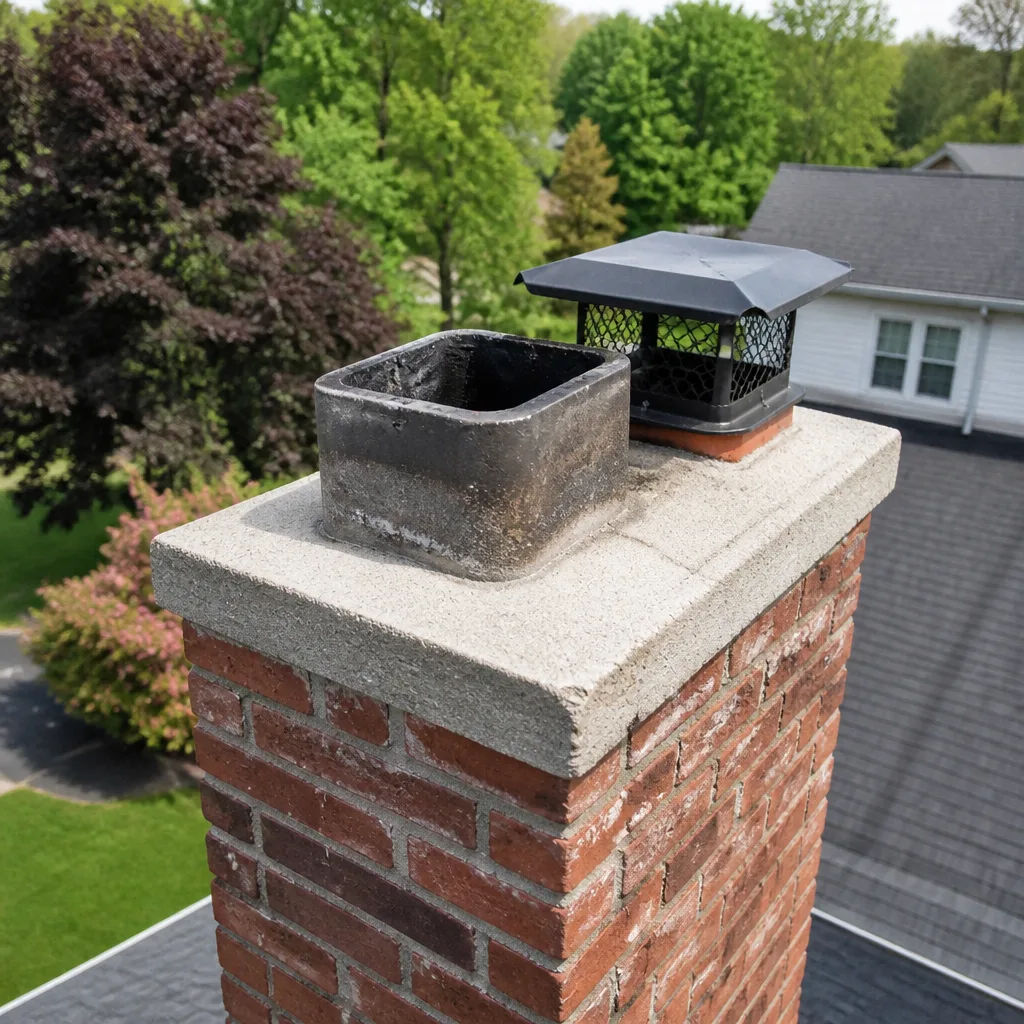 Sweep & inspection
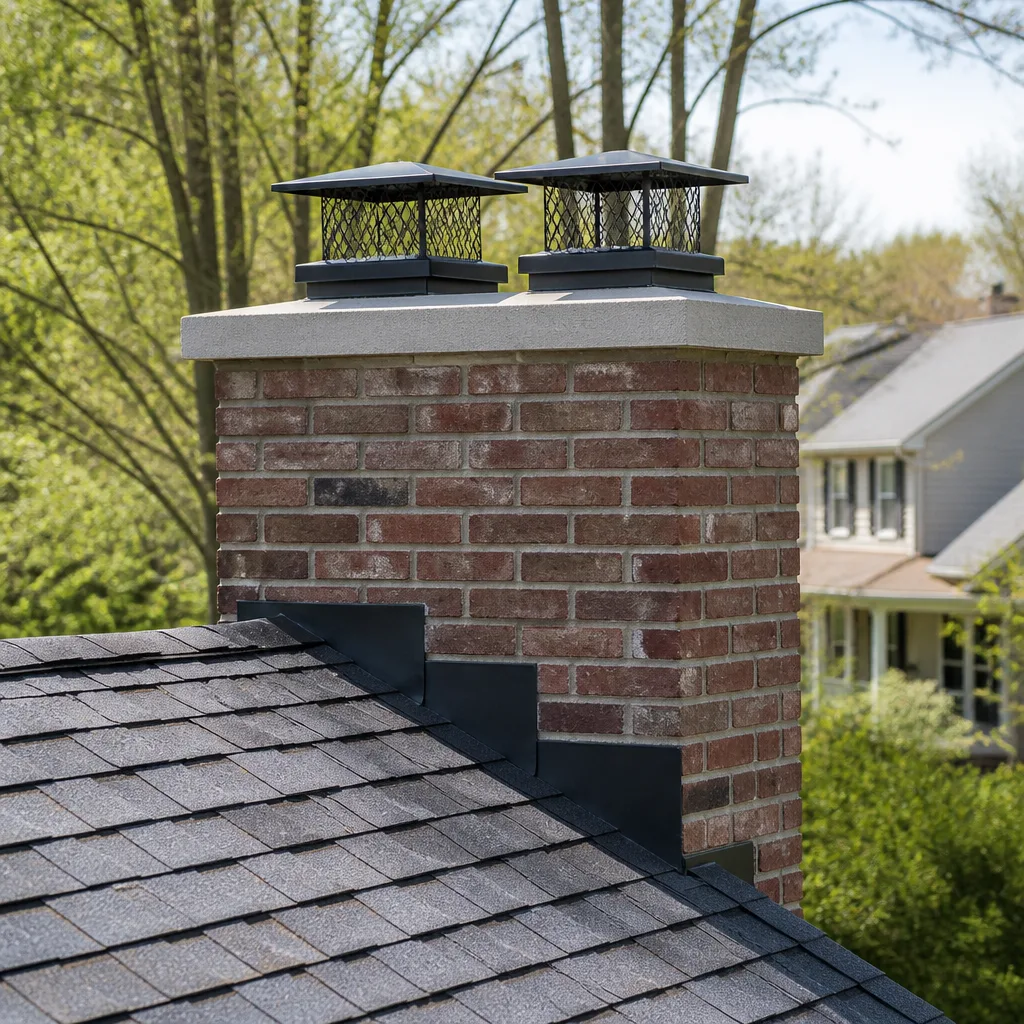 Caps & crowns
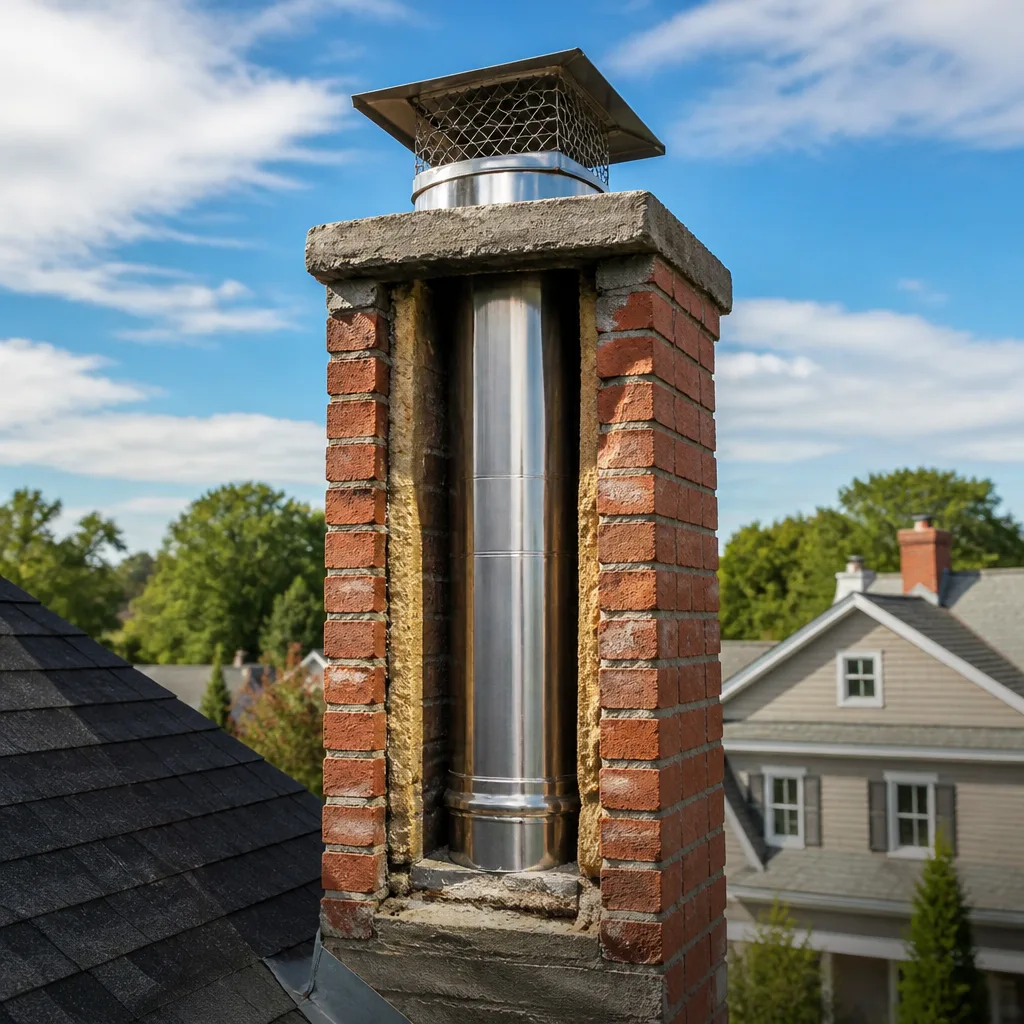 Flue relining
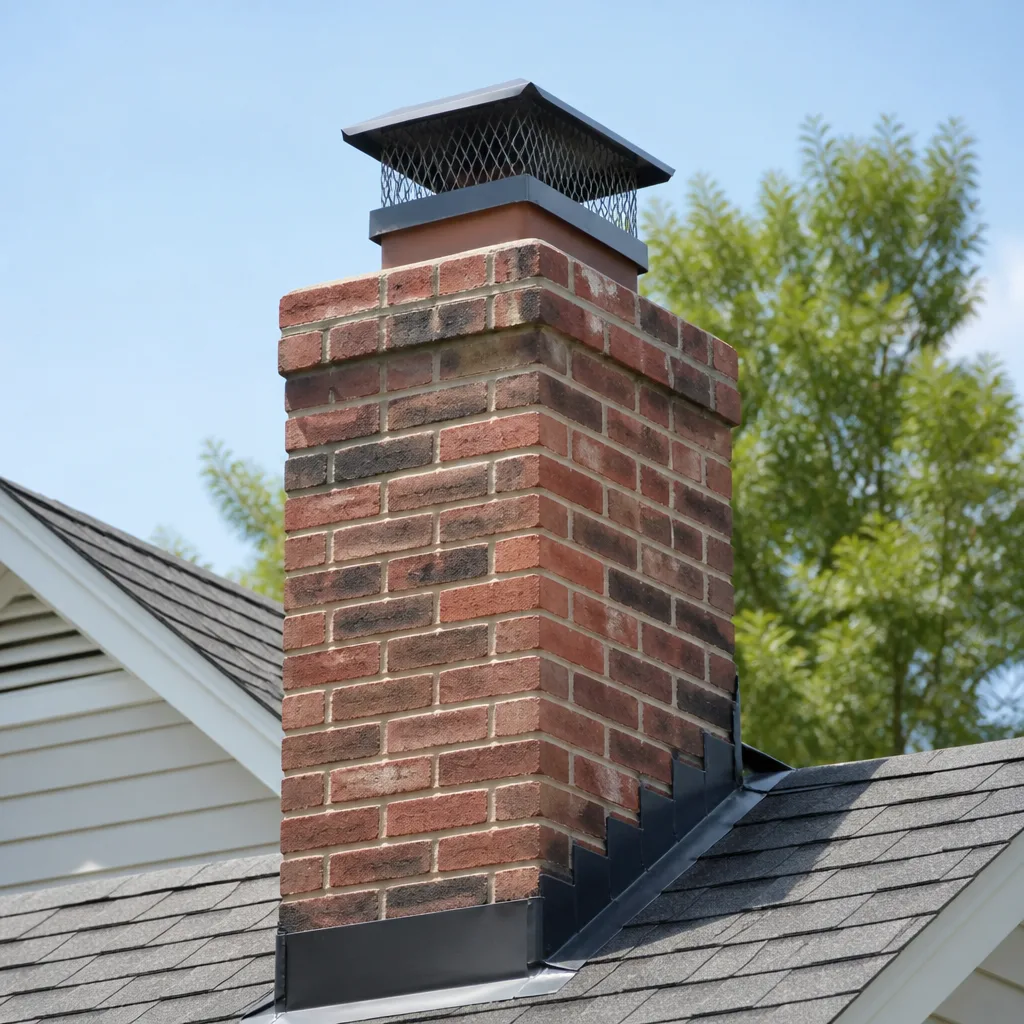 Masonry repair
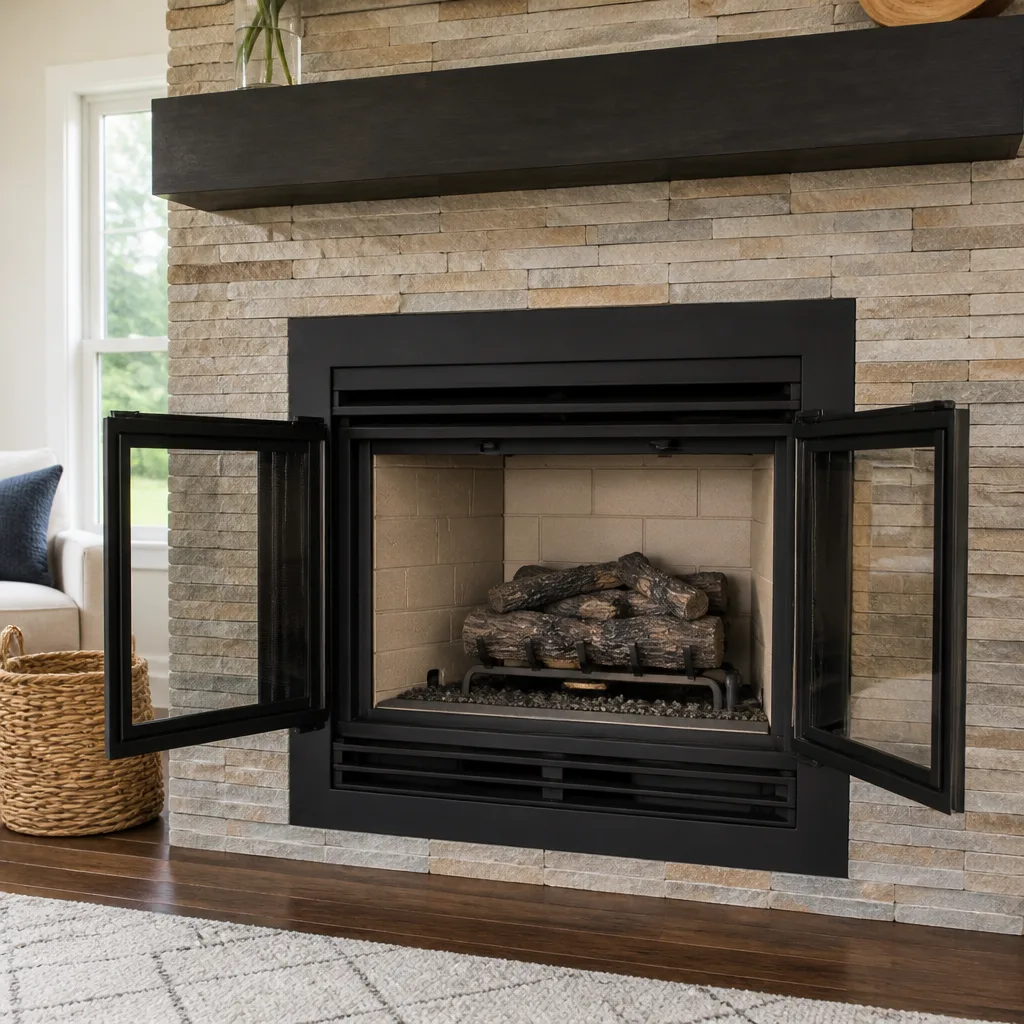 Gas fireplace service
Level 1 sweep and inspection to the NFPA 211 annual standard - flue, crown, cap, and flashing checked and photographed
Chimney sweep logs do not sweep chimneys. They loosen some creosote - which then falls where a brush and vacuum still have to collect it.
Choosing the Right Chimney Cleaning Brand: A Buyer’s Guide for Sharpstown
There’s no visual difference between a HeatShield ceramic flue resurfacing job and a contractor mixing their own mortar compound and calling it the same thing. Except that one has a tested, warrantied system behind it, and the other doesn’t. Most homeowners in Sharpstown never think about chimney product brand names until the moment an invoice lands in front of them with a line item for a liner, a firebox sealant, or a cap – and then they have to decide whether they’re looking at trade-grade material or a hardware store substitute. This guide gives you the reference to tell the difference. You’ll learn the product categories where brand actually matters, the names worth recognizing on an estimate, and the questions that separate a straight answer from a sales pitch.
Quick Answer
The right chimney cleaning brand in Sharpstown is one that uses named, trade-grade products – HeatShield, DuraFlex, Famco, Copperfield, Gelco, Olympia Chimney – and can tell you exactly why each one is approved for your flue type. Ask for the product name, the application it’s meant for, and the manufacturer’s warranty terms before you approve any repair. A contractor who can answer all three is working with tested materials. One who can’t is improvising.
Styles & brands we work with
- Sweep & inspection
- Caps & crowns
- Flue relining
- Masonry repair
- Gas fireplace service
Table of Contents
- Why chimney product brands actually matter in Sharpstown
- The four product categories where brand and material specification matter
- Trade-grade names to recognize on a Sharpstown estimate
- How to ask a contractor what product they’re using – and cross-check it
- Why generic mortar mixes don’t belong in a firebox
- The warranty question most homeowners forget to ask
- Reading a Sharpstown chimney estimate in local context
- Common mistakes to avoid
Why Chimney Product Brands Actually Matter in Sharpstown
Chimney work is one of the few trades where the material specification matters as much as the labor. A liner installed correctly but made from the wrong alloy can fail years before it should. A smoke chamber parged with the wrong compound can crack along the same seam it was meant to seal. A cap built from thin stamped steel can rust through in a season or two of Houston humidity. The craft is only half the job – the other half is what’s actually going into the flue.
In Sharpstown specifically, that material question comes up more often than you’d expect. The neighborhood’s housing stock includes a lot of mid-century homes with original or partially updated chimney systems, and many of them have been through at least one round of repair done with whatever was on hand at the time. We’ve opened up fireboxes in Sharpstown that were parged with ordinary mortar, chimneys capped with sheet metal cut from a scrap yard, and flues that had a “liner” installed that was really just a cement wash with no tested system behind it.
This is the world the guide lives in. You don’t need to become a chimney contractor. You need to know enough to ask the right questions and to recognize a named, tested product when you see one on an estimate. That’s what makes the difference between a repair that holds and one you’ll be paying for again inside a decade.
Our technicians have up to 14 years of experience working with these systems, and they’ve seen firsthand what happens when a homeowner approves a repair without knowing what’s going into their chimney. If you want the starting point for the whole chimney system, start with a chimney sweep and an honest inspection – that gives you the facts to evaluate any product recommendation.
The Four Product Categories Where Brand and Material Specification Matter
Not every chimney product needs a brand name on the box. A brush and a shop vac don’t need to be cross-referenced against your flue type. But four categories do, and they happen to be the four that show up on the highest-dollar line items of a chimney estimate. Here’s what each one is, and why the specification matters.
1. Liner systems
The flue liner is the pipe inside the chimney that carries smoke and gases to the outside. When it’s cracked, deteriorated, or missing, it either needs to be repaired or replaced. Two paths exist. A flexible stainless liner gets installed inside the existing flue as a full replacement, and a cast-in-place ceramic resurfacing system restores the existing flue from the inside. Both approaches have recognized trade products. The difference between a named liner system and an anonymous one is the alloy, the wall thickness, the joint design, and the documentation that tells you what it’s rated for. Without that, you’re looking at metal with no known provenance.
2. Smoke chamber sealants and resurfacing
The smoke chamber is the sloped space above the damper that funnels smoke into the flue. Its walls are usually brick, and brick is rough. That roughness catches creosote, and the joints between the bricks can crack under heat cycling. A proper smoke chamber gets parged smooth with a specialized ceramic compound designed for the application. The wrong compound – ordinary mortar, cement patch, or a generic refractory product – will crack or spall and put you back where you started. This is one of the categories most prone to substitution, because a freshly parged smoke chamber looks the same regardless of what was used.
3. Crown coatings
The chimney crown is the concrete cap at the top of the chimney that sheds water away from the flue and the brick. Crowns crack, and when they do, water gets into the chimney structure. Crown repair can range from a flexible coating applied over a prepared surface to a full rebuild. The coating category is where specification matters most, because a crown coating needs to flex with the chimney as it heats and cools. A rigid coating that doesn’t flex will crack along the same lines the original did. A tested elastomeric crown material does not.
4. Waterproofing
Brick is porous. In Houston’s humidity, an unsealed chimney absorbs moisture from the outside air and holds it, which drives spalling, efflorescence, and eventually structural damage. Chimney waterproofing is a vapor-permeable sealer applied to the exterior brick. The key word is vapor-permeable: a sealer that traps moisture inside does more harm than one that lets it escape. Brand matters here because the permeability rating is a published number, and a named product with a stated rating is something you can actually check.
Trade-Grade Names to Recognize on a Sharpstown Estimate
When you look at a chimney estimate in Sharpstown, you should be able to find at least one or two recognized trade names attached to the repair items. Here are the names we work with, what each one is used for, and why it shows up in the work.
- HeatShield – a ceramic flue resurfacing system used to repair a deteriorated flue liner without full replacement. It’s applied as a troweled ceramic compound and forms a smooth, sealed flue surface. It’s the repair-path alternative to a full liner replacement, and it comes with the manufacturer’s product warranty when installed to the manufacturer’s specification.
- DuraFlex – flexible stainless steel liner systems. Used when a full reline is the right call. The liner is a nationally recognized product line used by professional chimney contractors, and the specification (wall thickness, alloy, insulation) matters because those are the details the warranty and the flue rating depend on.
- Famco – chimney caps and related components. A cap keeps water, animals, and debris out of the flue while allowing exhaust to escape. A properly specified cap is built to match the flue’s dimensions and the chimney’s crown, rather than a one-size-fits-all cover.
- Copperfield – another recognized supply line for chimney components, used where the specification calls for it.
- Gelco – chimney caps and related products.
- Olympia Chimney – a recognized supply line for chimney components, including liners and related parts.
You don’t need to memorize all six. What matters is that when a contractor names a product, it’s one of these recognized names – or a comparably documented trade product – and not an unbranded substitute described only as “a liner” or “a cap.” If the estimate just says “chimney cap” with no product named, that’s a question worth asking. Our team works with all six of these brands as part of the standard material set, so when we quote a repair, the product name is written into the estimate.
How to Ask a Contractor What Product They’re Using – and Cross-Check It
Asking the right question is the whole game. Most homeowners ask “what does it cost?” first, which is fair, but the answer doesn’t tell you whether the work will last. The better first question is “what product, and what is it rated for?” Here’s the sequence we recommend, in order.
- Ask the contractor to name the product in writing. Not “a stainless liner” – the actual product name and specification. On the estimate, on the invoice, on the contract. If they can’t name it, that’s your answer.
- Ask what it’s rated for. A liner system has a temperature rating and an application type (wood, gas, oil). A smoke chamber compound has a use case. A crown coating has a flexibility spec. Ask which of these applies to your chimney and your fuel type.
- Ask whether the product is approved for your specific flue type. A masonry flue and a prefabricated metal flue take different products. A wood-burning appliance and a gas appliance take different ratings. The product you’re being quoted needs to match what you actually have.
- Ask for the manufacturer’s documentation. A tested product has an installation manual and a warranty document. Ask to see them. You don’t have to read them in full – you just need to see that they exist, and that the contractor can produce them on request.
- Cross-check the warranty terms. Many manufacturer warranties require installation by a trained or certified installer to remain valid. If the product has a warranty but the installer isn’t qualified under its terms, the warranty may not apply. Ask directly: “Does my installation qualify for the manufacturer’s warranty?”
- Get the photo evidence. Any recommendation for liner work, smoke chamber work, or crown work should be backed by a camera inspection and a photo report you can look at yourself. You should be able to see the condition that justifies the recommendation before you approve it. Nothing should be recommended that you can’t verify on the camera.
A contractor who can answer all six without hesitation is working with tested materials and knows the application. One who gets vague, or pushes back on the cross-check, is telling you something too. If you’re in Sharpstown and you’ve been handed a repair estimate with no product names on it, call us and we’ll walk you through what should be there before you sign anything. A Chimney Sweep Sharpstown inspection with a camera and a photo report is the starting point for that conversation.
Why Generic Mortar Mixes Don’t Belong in a Firebox
Here’s the question that shows up again and again in Sharpstown: why does it matter if the contractor used mortar? Mortar is mortar, right? No, and this is one of the highest-value distinctions in the whole guide.
Ordinary masonry mortar is designed for ambient temperature and moderate movement. It works fine between bricks in a wall. Inside a firebox or a smoke chamber, the conditions are different. The material is expected to hold up to repeated heat cycling, from a cold chimney to a hot fire and back, without cracking or spalling. Ordinary mortar isn’t formulated for that. It cracks along the joints, it can spall off the surface, and once it’s compromised, the firebox is right back where it started. The repair looks correct for a season, then fails.
The right material for a firebox or smoke chamber application is a refractory or ceramic compound made for the heat conditions. HeatShield is a documented example in the smoke chamber and flue category. The firebox itself takes a refractory mortar or a castable refractory material designed for the application. These are not the same as a bag of general-purpose mortar from a home improvement store, and they don’t look different once they’re installed – which is exactly why the invoice has to name the product.
How to spot the substitution on an invoice: if the line item says “re-mortar firebox” or “patch smoke chamber” with no product named, and the price seems low compared to a HeatShield quote, that’s a sign the contractor is doing the repair with a general masonry mix. Ask the question directly. If the answer is “we use a special refractory mix” with no name and no documentation, that’s not the same thing as a tested product. Our team uses HeatShield for smoke chamber resurfacing because the system has a manufacturer’s warranty and a documented application, and we’re happy to show the documentation before the work starts.
The Warranty Question Most Homeowners Forget to Ask
A manufacturer’s warranty is only as good as the installation behind it. This is the second half of the brand question, and it’s the one that gets skipped most often. It applies to liner systems, cast-in-place ceramic resurfacing, crown coatings, and chimney caps – the four high-dollar categories from earlier in this guide. For each of them, the manufacturer’s warranty typically requires installation by a contractor who has met the manufacturer’s requirements and followed the written installation instructions. If those conditions aren’t met, the warranty may be void, regardless of whether the product itself is good.
What this means for you in Sharpstown: ask the warranty question, and ask it in a way that produces a document. Three questions cover it.
- “Does this product come with a manufacturer’s warranty, and what does it cover?”
- “Does my installation qualify under that warranty, and how do I get the documentation?”
- “Who honors the warranty if something goes wrong – you, or the manufacturer?”
For a full liner replacement, the answer should mention the manufacturer of the liner system and the installation conditions. For HeatShield resurfacing, the product is backed by the HeatShield manufacturer’s product warranty. That’s a different thing from a contractor’s own workmanship warranty, and both should be clear. A workmanship warranty covers the installation; a product warranty covers the material itself. You want to know both, and you want the answer for each in writing.
The reason this matters more than it sounds is that a chimney repair is a long-term commitment. A liner or a crowned chimney is meant to last. If the material behind it isn’t covered, the durability you paid for is on you. Get the paperwork before you write the check. If a contractor won’t put the warranty answer in writing, that’s a warning sign worth respecting.
Reading a Sharpstown Chimney Estimate in Local Context
Sharpstown’s climate shapes what goes wrong and what gets specified. Houston’s humidity is the dominant local factor for exterior conditions – the crown, the brick, the cap, and the waterproofing – because moisture is present in the air year-round and the chimney is a large brick-and-concrete surface that absorbs it. Winters are mild here, which means the chimney sees less dramatic thermal cycling than it would in a colder region, but the humidity load on the exterior is real and continuous. That’s why crown coatings and waterproofing show up as legitimate recommendations in Sharpstown rather than upsells, and it’s why the specification on those materials (vapor-permeable, flexible) matters more than the price tag.
The interior side of the chimney is shaped by use, not climate. Wood-burning fireplaces in Sharpstown need the flue swept on a regular schedule based on how much wood is burned, and the smoke chamber and firebox need the same material scrutiny we’ve described throughout this guide. The fireplace repair conversation in Sharpstown usually starts with a smoke chamber that’s showing wear or a firebox that’s been patched at some point with the wrong compound, and it ends with a documented repair using a named product.
Two Sharpstown context notes for evaluating an estimate. First, the neighborhood has enough older housing stock that you should expect the estimate to reflect the actual condition of your chimney, not a standard allowance. Second, the housing mix means prefabricated flues and masonry flues are both present, and the products that fit one don’t fit the other. Ask the contractor to confirm which type you have before approving any material order. If they can’t tell you, they haven’t looked closely enough. The chimney cap & crown work is where the local humidity story shows up most clearly, and it’s the easiest place to verify the material specification because the product name is normally written on the estimate.
One more local note: because the humidity never fully leaves, a chimney that’s been “fixed” once with a temporary patch tends to need the same repair again sooner than a homeowner expects. A repair with a named, tested product is usually a longer interval between failures. That’s the case for specification in a sentence.
Common Mistakes to Avoid
- Approving a repair without a product name on the estimate. If the line item says “liner” or “smoke chamber parging” with nothing else, you don’t know what’s going in. Ask for the name and the specification before you sign. This one mistake causes most of the bad chimney outcomes we see in Sharpstown.
- Assuming generic mortar is fine for a firebox. It isn’t, and the failure mode (cracking along the joints) looks identical to a correctly done job for the first season. The third time the firebox needs patching is the tell.
- Skipping the camera inspection. Any recommendation for a liner, a smoke chamber repair, or a crown replacement should be visible in a photo report. If the contractor can’t show you what they’re recommending, don’t approve the work. You have a right to see the evidence.
- Ignoring the warranty terms. A manufacturer’s warranty that requires certified installation is only useful if the installation qualifies. Ask before, not after.
- Mixing outdoor and indoor products in your head. Crown coatings and waterproofing are exterior, humidity-driven products. Smoke chamber compounds and firebox refractory materials are interior, heat-driven products. A brand that’s right for one is not automatically right for the other, and an estimate that names one product for everything is worth a second look.
- Treating “the cheapest quote” as a decision rule. The low quote on a liner job usually means one of three things: a thinner alloy, a shorter warranty, or a generic substitute in place of a tested product. None of those is a saving over the life of the chimney.
- Overlooking the Sharpstown prefab-vs-masonry distinction. If your chimney is prefabricated metal, the liner and cap products are different from what a masonry flue takes. Confirm the type before the material gets ordered – and if a contractor doesn’t ask, that’s a reason to keep looking.
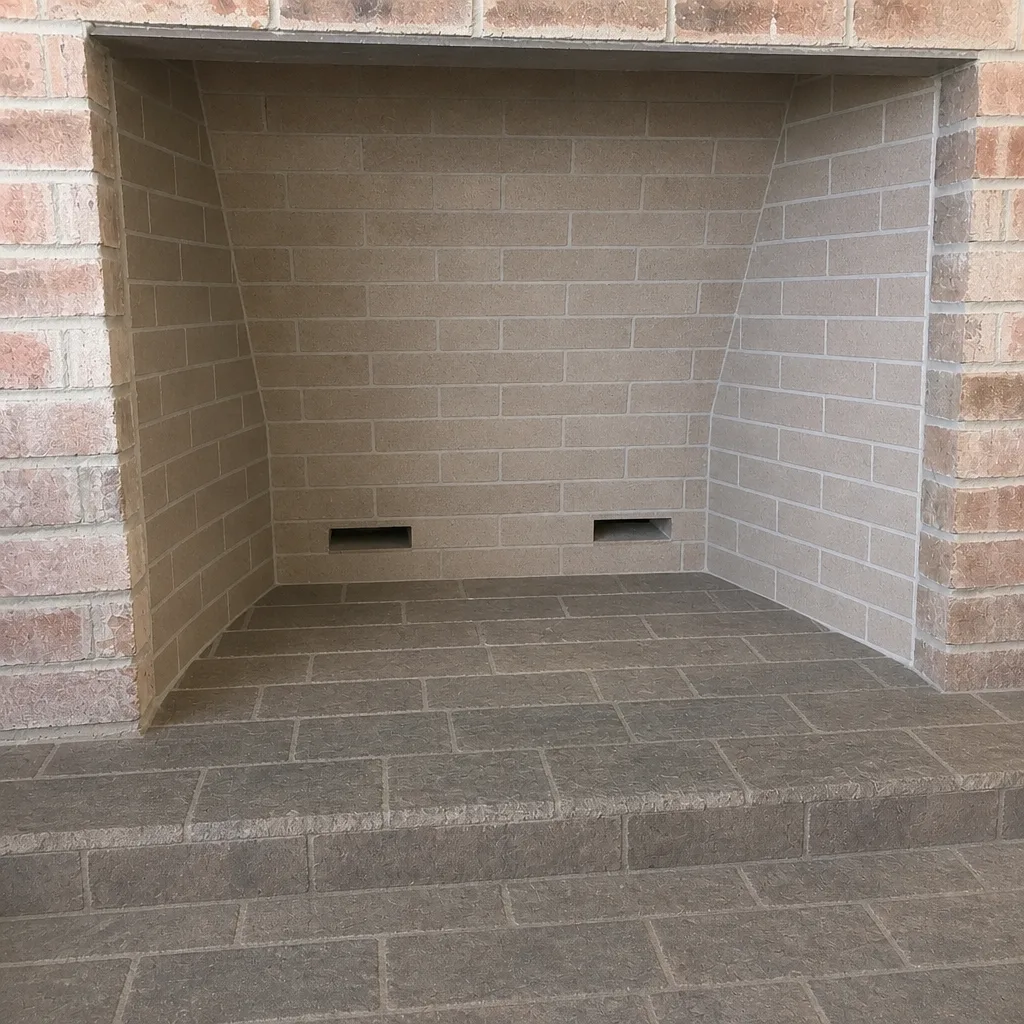
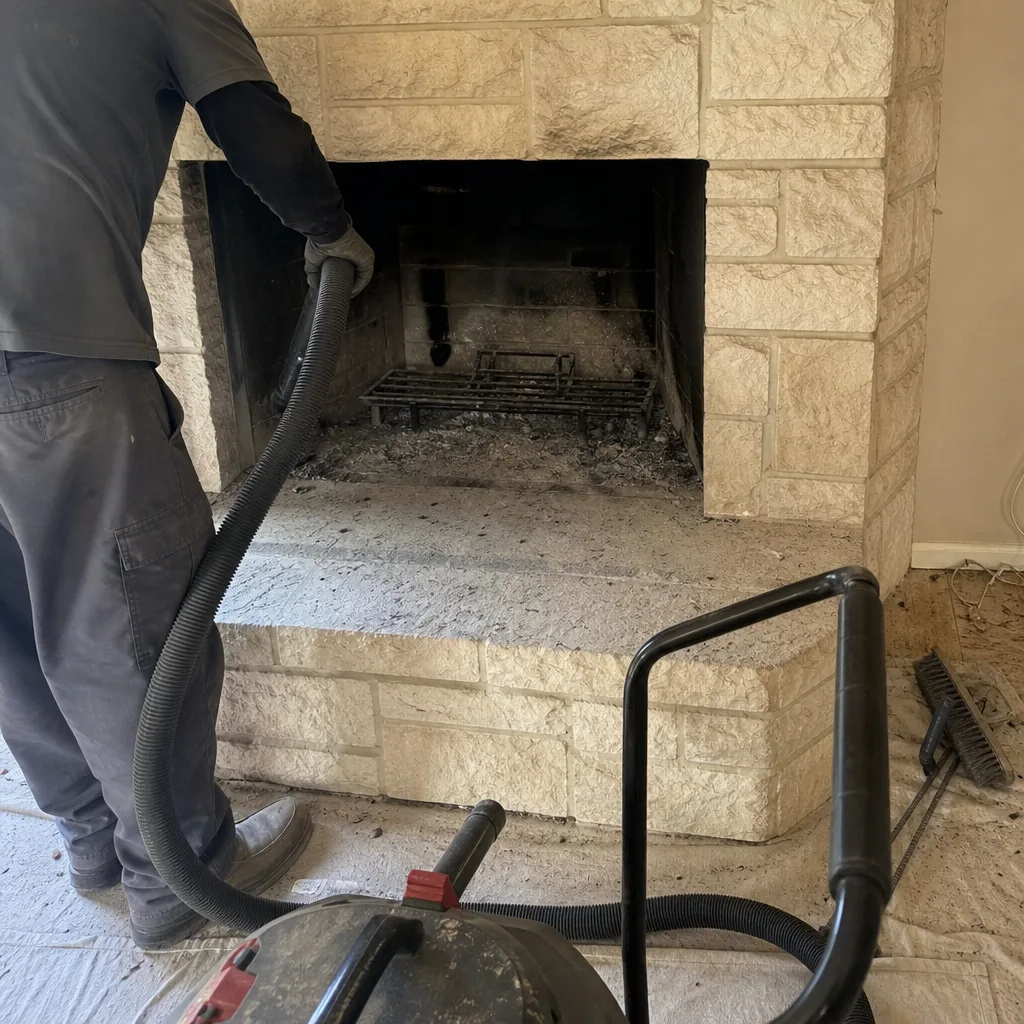
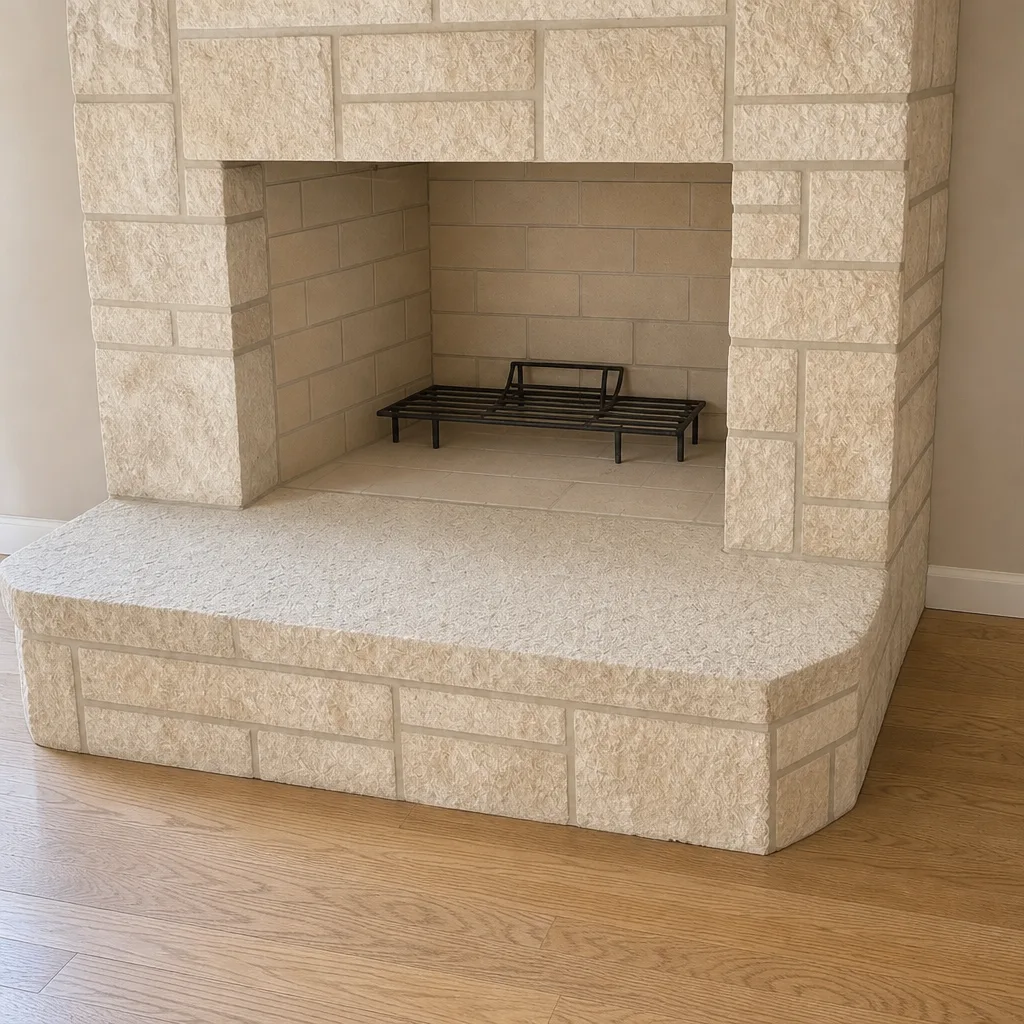
See the difference
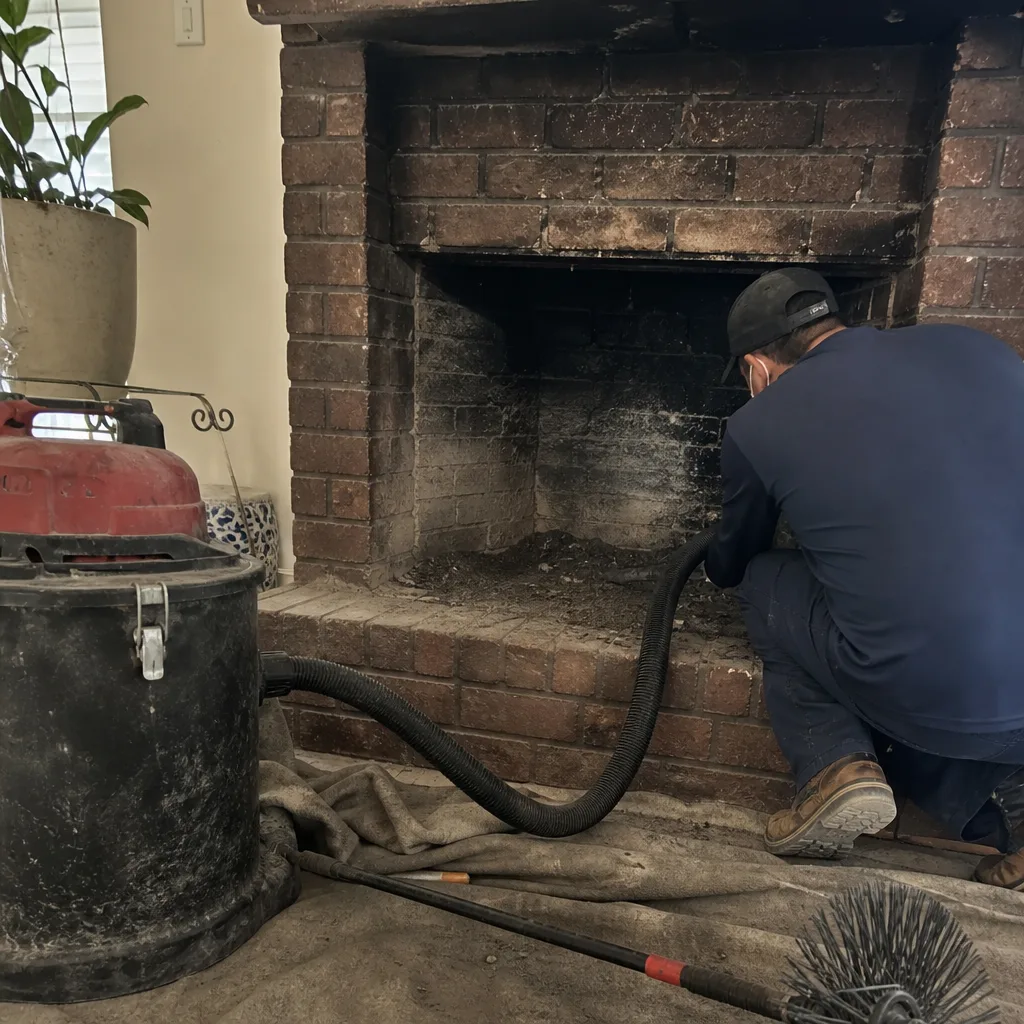 Before
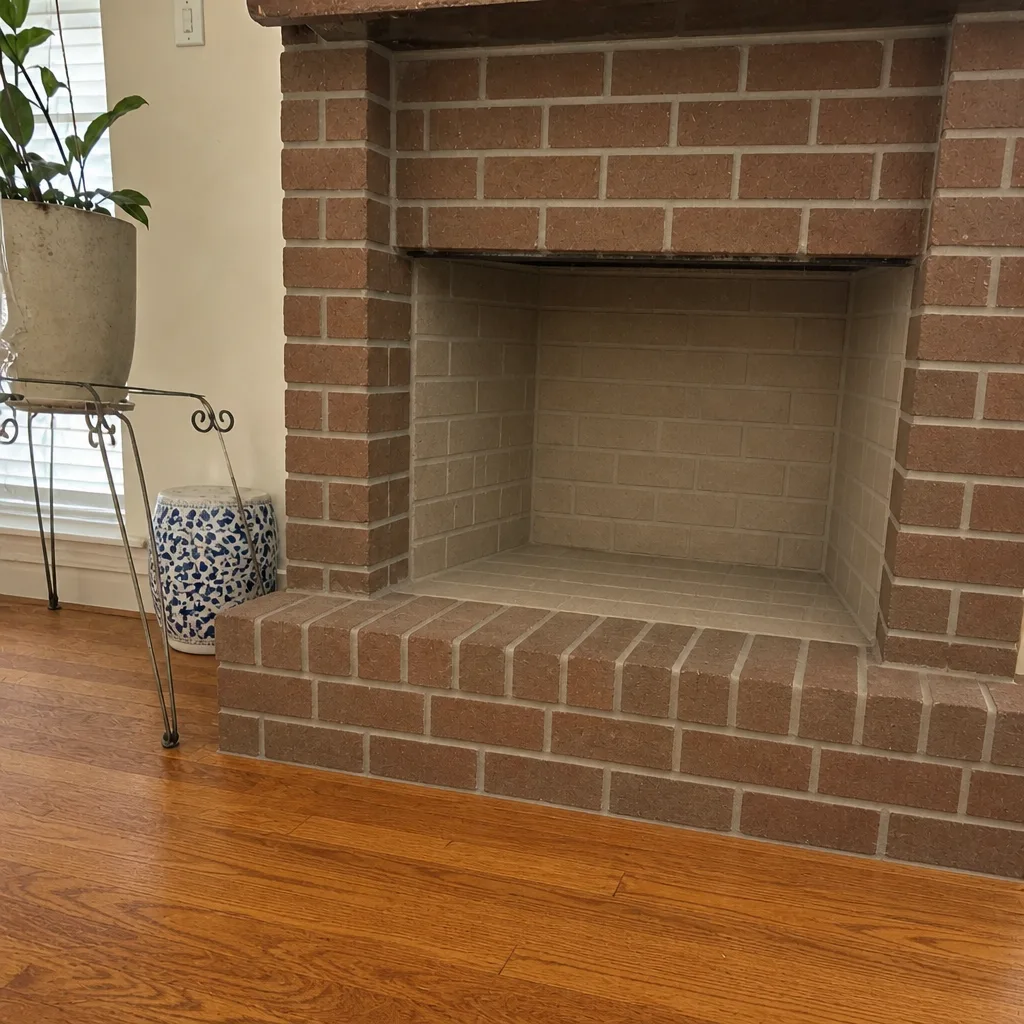 After
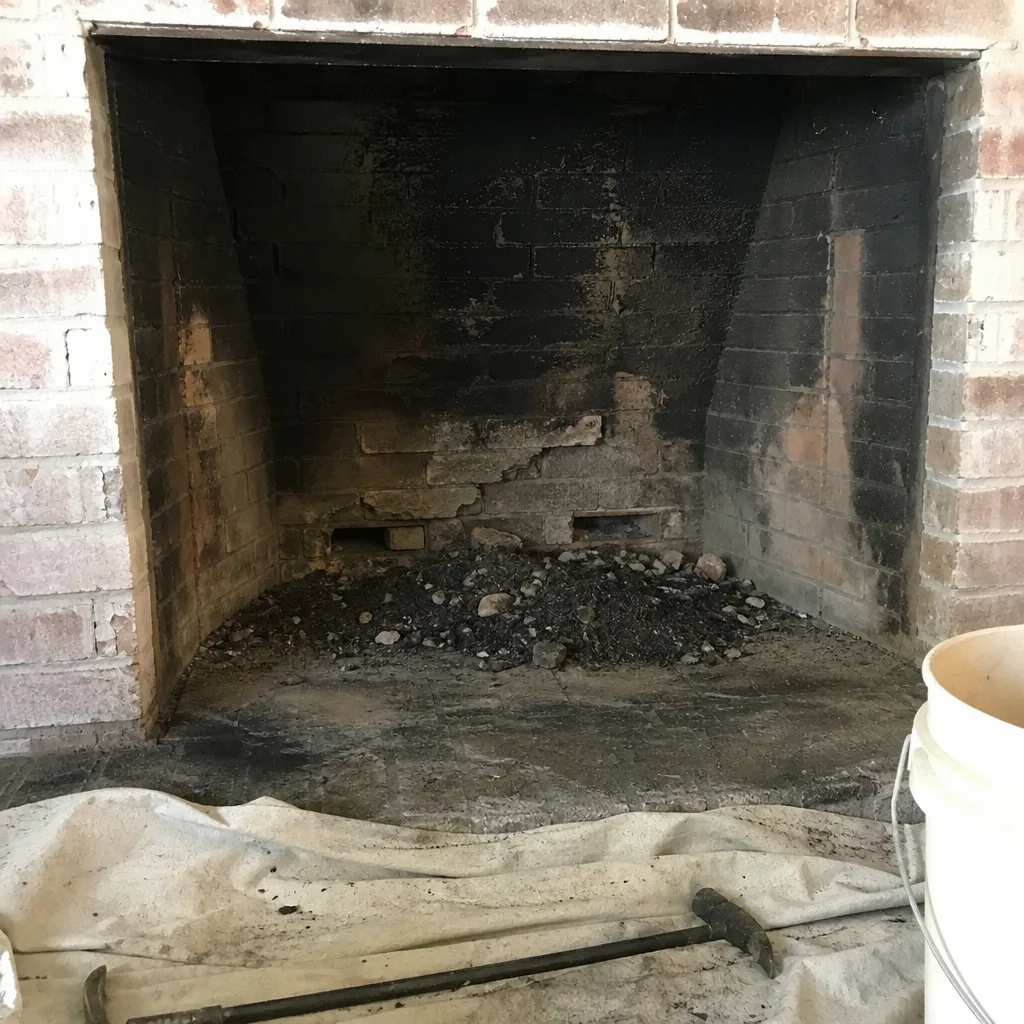 Before
 After
 Before
 After
When to Call a Professional
Call a professional for anything involving the inside of the flue, the smoke chamber, or the firebox. High-heat components, gas appliances, and the structural parts of the chimney are not a do-it-yourself area, and the risk of a mistake is real. Get a certified inspection and a camera report before you approve any repair, and be specific about the product you want quoted.
Specific scenarios that call for a callback rather than a weekend project: a chimney that hasn’t been swept in more than a year of regular use, a firebox that was patched with uncertain material, a crown that’s visibly cracked, a cap that’s missing or rusted, or a repair estimate you’ve received but don’t fully understand. If you’ve been told you need a liner and given no path to actually getting it done, that’s a reason to call us, because the diagnostic step and the repair belong under one roof. Chimney Sweep Sharpstown offers free estimates in Sharpstown. Call (833) 991-8956. We answer 24/7. Fast dispatch from 7am to 7pm, Sunday through Friday, and we’re closed on Saturday. Our single team handles the sweep, the inspection, the cap and crown work, the fireplace repair, and the chimney repair as one engagement – so the answer on the inspection report is the quote you get, not a separate contractor.
Frequently Asked Questions
There’s no single best brand – the right liner system depends on your flue type, fuel type, and the condition of the existing flue. What matters most is that the product is a named, tested system with a documented application for your chimney, and that the installation qualifies for the manufacturer’s warranty. DuraFlex is one recognized flexible liner line used by professional chimney contractors, and a properly specified liner from any recognized manufacturer is the right answer. Ask for the product name and the warranty terms on the estimate before you approve anything. Call (833) 991-8956 for an exact quote – estimates are free.
The installed repair looks similar once it’s dry – what tells you which one you’re looking at is the paperwork. HeatShield is a ceramic flue resurfacing system with a manufacturer’s product warranty, whereas a generic mortar mix is not a tested flue product and has no chimney warranty behind it. The way to confirm is to ask for the product name on the estimate and ask whether the installation qualifies for the HeatShield warranty. A straight answer with documentation is the difference. If a contractor can’t name the product, call us and we’ll help you sort out what you’re looking at. Estimates are free: (833) 991-8956.
Sometimes resurfacing is the right call, and sometimes a full liner replacement is. HeatShield ceramic resurfacing is a proven alternative to full liner replacement for certain conditions, and it’s an option worth asking about specifically. The only way to know which applies to your chimney is a camera inspection that shows the condition of the flue. Nothing should be recommended that you can’t see in the photo report, and if the flue is safe to leave alone for now, we’ll tell you that too. Call (833) 991-8956 for an exact quote – estimates are free.
The standard rule is annual inspection with sweeping on the schedule the inspection indicates, based on how much wood you actually burn. A chimney used regularly through the heating season needs attention more often than one used a few times a year. Houston’s mild winters mean the burning season is shorter than in colder regions, but the creosote that builds up inside the flue doesn’t care what the thermometer says – what matters is the accumulated layer, not the calendar. Get an inspection and let the camera answer the question. Call (833) 991-8956 – estimates are free.
A cap quote should name the product, and recognized chimney-industry supply lines include Famco, Gelco, Copperfield, and Olympia Chimney. What you’re looking for is a cap built to fit your flue dimensions and your chimney’s crown, rather than a universal cover from a hardware store. Ask which product is being specified and whether it’s matched to your chimney type. If the quote just says “chimney cap” with no product named, that’s worth asking about. Call (833) 991-8956. We answer 24/7, with fast dispatch from 7am to 7pm, Sunday through Friday.
Skipping a repair can be the right call if the repair isn’t urgent – and a straight answer should tell you when work can safely wait. Skipping a repair that’s actually needed (a compromised liner, a cracked smoke chamber, a crown that’s letting water in) means the problem keeps developing, and the eventual fix is usually larger. The way to tell the difference is to look at the camera evidence yourself and ask the contractor plainly whether the work can wait. A chimney contractor who won’t tell you “this can wait” on a repairable issue isn’t giving you an inspection, they’re giving you a sales call. Call (833) 991-8956 for an exact quote – estimates are free.
The Bottom Line
Chimney product brand names aren’t trivia – they’re the reference point you use to evaluate an estimate. The upgrade from a generic repair to a tested system is the difference between a fix that holds and one you’ll be paying for again. Recognize HeatShield, DuraFlex, Famco, Copperfield, Gelco, and Olympia Chimney as the trade-grade names on this page, ask for the product name in writing on every estimate, cross-check that it’s approved for your flue type, and get the warranty answer documented before you approve anything. If you’re in Sharpstown and you’ve been handed a chimney quote you don’t fully understand, call us and we’ll help you read it before you sign. Our single team handles the inspection, the sweep, and every repair the inspection uncovers, so the path from diagnosis to fix lives with one contractor instead of two. Call (833) 991-8956. We answer 24/7. Fast dispatch from 7am to 7pm, Sunday through Friday, and we’re closed on Saturday. Estimates are free, the price is set per job by the written estimate, and nothing gets recommended that you can’t see for yourself in the camera report.
Written by the team at Chimney Sweep Sharpstown.