
Last updated November 24, 2026
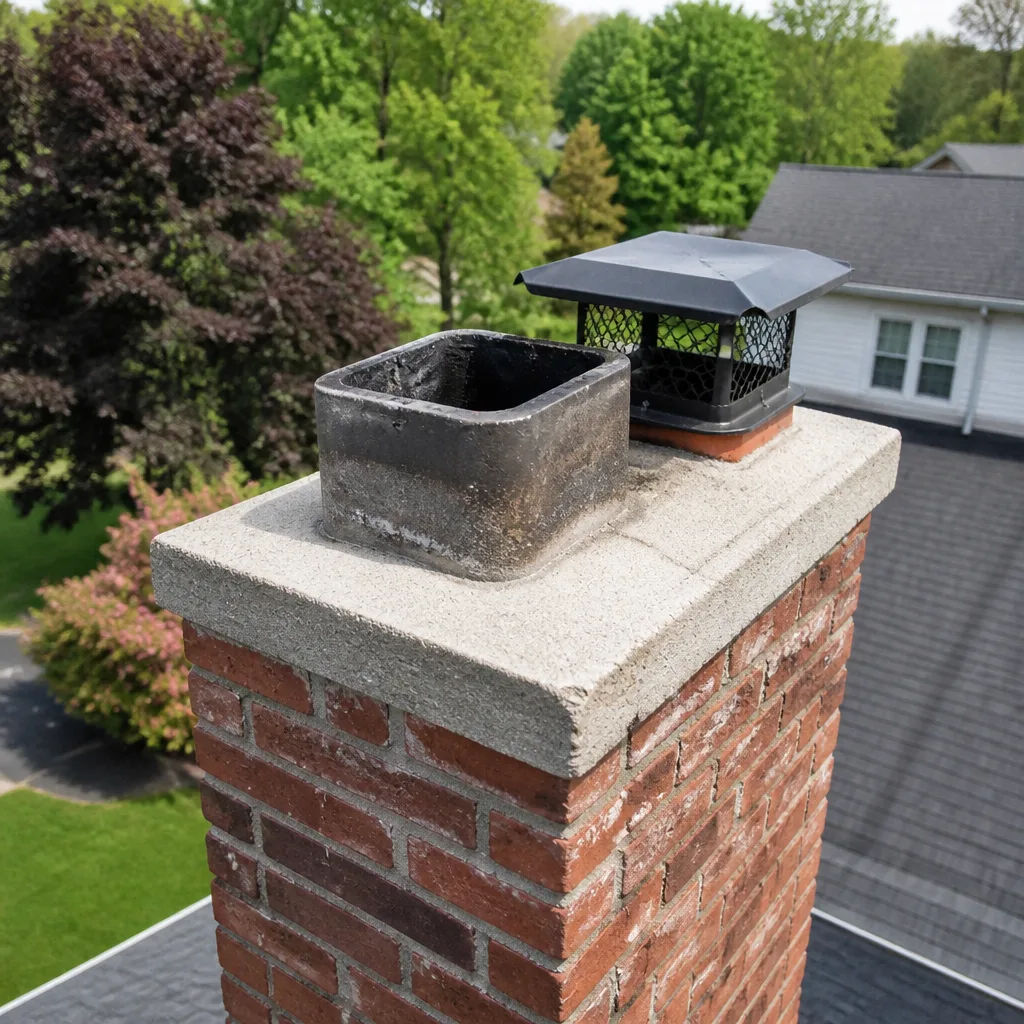 Sweep & inspection
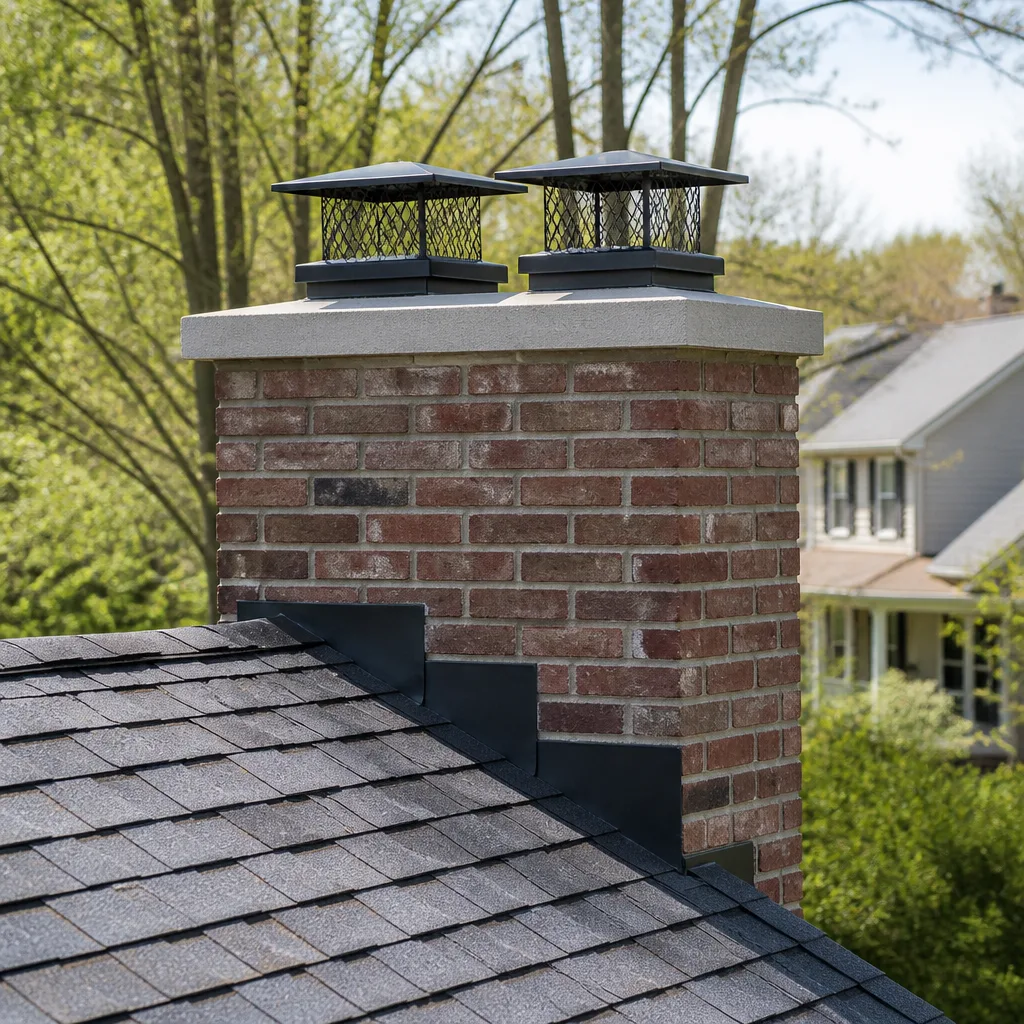 Caps & crowns
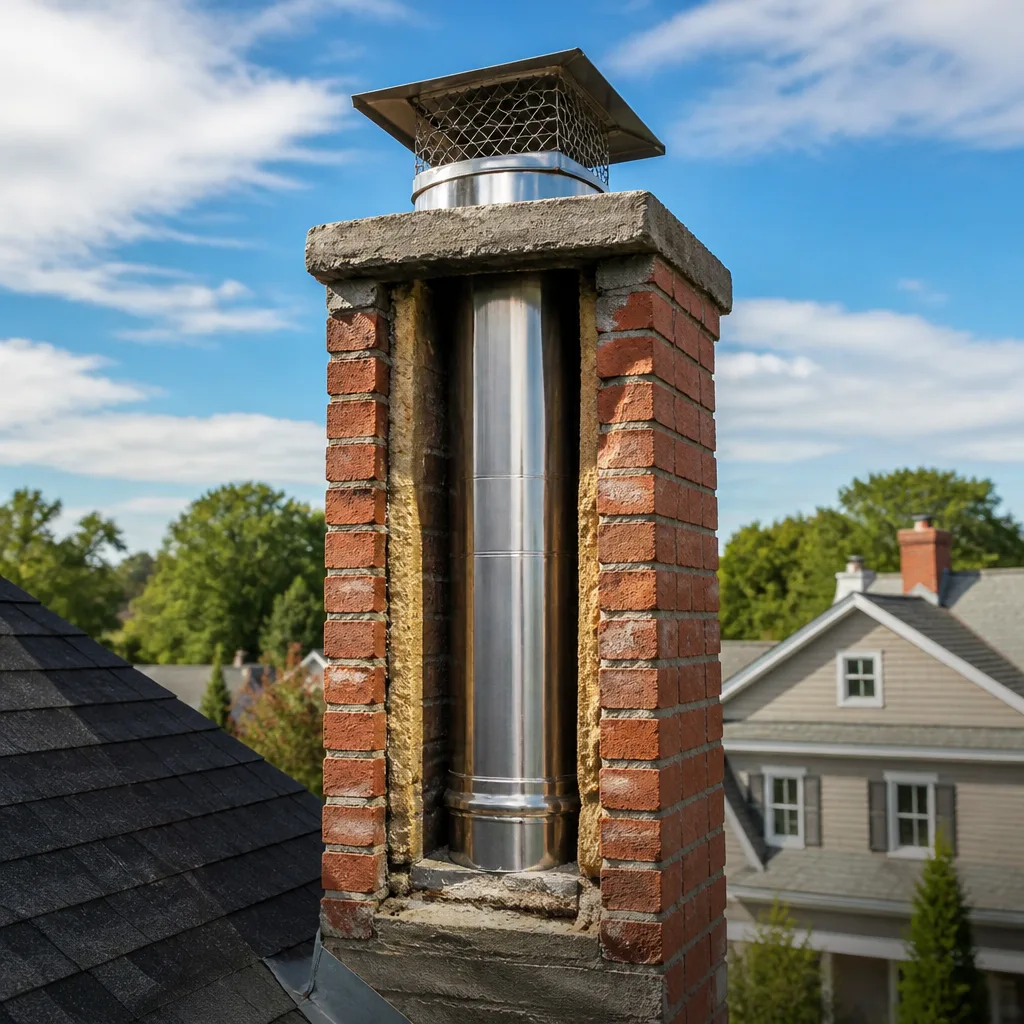 Flue relining
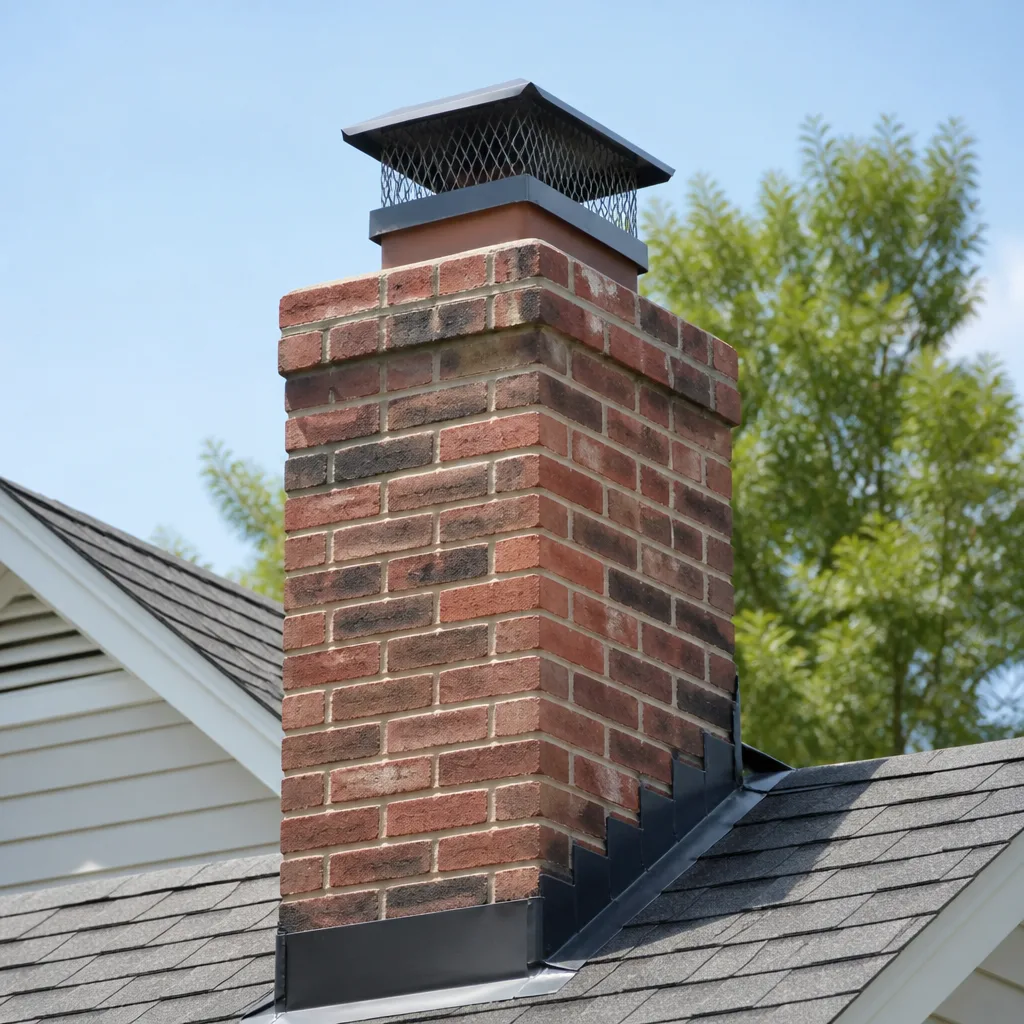 Masonry repair
 Gas fireplace service
Level 1 sweep and inspection to the NFPA 211 annual standard - flue, crown, cap, and flashing checked and photographed
Chimney sweep logs do not sweep chimneys. They loosen some creosote - which then falls where a brush and vacuum still have to collect it.
Chimney Cleaning Cost Breakdown: The Sharpstown Homeowner’s Reference for 2026
A $99 chimney cleaning special almost always means one thing: a visual look and a brush pass on the accessible surfaces of the flue. What it doesn’t mean is a cleaned smoke chamber, a checked liner, or a written condition report you can actually hold onto. That gap between what homeowners assume they bought and what the invoice covers sits behind most of the price confusion in this trade. A cleaning that runs $99 and one that runs $400 aren’t competing bids on the same job; they’re different scopes of work wearing the same name. In this guide we’ll break down what a real full-service cleaning includes in Sharpstown, why the wide range exists, what repairs commonly follow a first professional cleaning on a neglected chimney, and how to compare two quotes honestly even when the numbers look far apart.
Quick Answer
A full-service chimney cleaning in Sharpstown in 2026 typically runs $175 to $350 for a standard wood-burning fireplace, and $350 to $500 or more when the chimney hasn’t been serviced in years or the flue has heavy creosote. A $99 special is a brush-and-look pass on accessible surfaces only; it does not include smoke chamber cleaning, a liner check, or a written condition report. The written estimate you get before any work starts sets the final price.
Styles & brands we work with
- Sweep & inspection
- Caps & crowns
- Flue relining
- Masonry repair
- Gas fireplace service
Table of Contents
- Why Chimney Cleaning Prices in Sharpstown Range From $99 to $400
- What a Full-Service Cleaning Invoice Should Contain
- The Smoke Chamber: Why It’s the Most Commonly Skipped Component
- Repairs That Commonly Follow a First Professional Cleaning
- How to Compare Two Quotes With a Written Scope of Work
- The Cost of Catching a Cracked Flue Tile During a Cleaning vs. After a Chimney Fire
- How Often Should a Chimney in Sharpstown Be Cleaned?
- How to Choose a Chimney Company in Sharpstown
Why Chimney Cleaning Prices in Sharpstown Range From $99 to $400
The range isn’t random and it isn’t a marketing trick. It reflects completely different tiers of work, and knowing which tier a quote covers is the whole game. Here’s how the tiers actually break down:
- The $99-$149 tier: A visual look-down and a brush pass on the accessible flue. The technician sweeps what a rod can reach, vacuums the firebox, and moves on. No smoke chamber attention, no liner verification, no written report. This is a maintenance dust-down, not a diagnostic.
- The $175-$350 tier: A full cleaning of the firebox, the damper area, the accessible flue, and the smoke chamber with proper rotary tooling. Includes a visual inspection with a written condition report and a photo record of anything noted.
- The $350-$500+ tier: Heavy-creosote work. A chimney that has gone years without cleaning, a flue that’s glazed, or a fireplace that’s been burning green wood builds creosote that takes far longer to remove safely. It isn’t a surcharge. It’s extra time and extra tooling.
In Sharpstown, the wide price range has a lot to do with the age mix of the housing stock. Many neighborhoods have working fireplaces that were used heavily for years and then sat idle for a decade or more. A chimney like that has often accumulated a creosote layer that looks light but breaks up under proper rotary tooling, which pushes the job into the higher tier. And the milder winters here mean many homeowners burn in shorter, more concentrated bursts, which can build creosote faster than slow continuous burning does.
A quick note for context: our technicians have up to 14 years of experience, and if a cleaning turns up a repair issue, we can perform the fix ourselves. We handle the sweep and the repair, no referrals and no second contractors.
What a Full-Service Cleaning Invoice Should Contain
A trustworthy cleaning invoice is itemized. If a company cannot tell you in writing what each line of the price covers, that’s your cue to ask harder questions or call someone else. Here’s what a full-service cleaning invoice should list:
- Firebox cleaning. Ash removal and sweeping of the firebox floor, sidewalls, and rear wall.
- Damper check and cleaning. Confirming the damper opens and closes fully, and clearing debris around it.
- Flue sweeping with rotary tooling. Not just a hand brush; proper rotary rods with a fitted brush.
- Smoke chamber cleaning. The sloped area above the damper and below the flue. This is the most commonly skipped item, and it’s covered in the next section.
- Cap inspection. Checking the chimney cap for condition, obstruction, and proper fit.
- Crown inspection. Looking for cracks and gaps that could let water into the flue.
- Liner verification. Visually checking the flue liner for damage or missing sections.
- Written condition report. A document you keep that notes the condition of the chimney, what was found, and what needs attention.
- Photo record. Images of anything unusual. Camera evidence you can see for yourself is how a technician proves a repair recommendation.
- Cleanup. Drop cloths, a HEPA vacuum, and a swept work area.
Those line items together are what separates a $250 full-service cleaning from a $99 pass. When you’re comparing quotes, run down this list against each one. Two quotes that are $150 apart often differ by five or six of these items. Our chimney sweep page lists exactly what we include so you can line it up against what you’re being offered elsewhere.
The Smoke Chamber: Why It’s the Most Commonly Skipped Component
The smoke chamber is the zone directly above the damper and below the flue, and it’s where the smoke actually funnels from the firebox up into the flue. It has a sloped, corbelled interior that catches ash, creosote, and debris on the way up. And it’s the component skipped in almost every budget cleaning.
Why? Two reasons. First, cleaning it properly takes specialized tooling and extra time. You can’t reach inside it with a standard brush from the flue side or the firebox side. Second, budget cleanings are priced to be sold quickly over the phone, and adding smoke chamber work is a real cost that doesn’t fit a $99 price point.
Here’s why it matters. A smoke chamber that’s never been cleaned collects a heavy, sticky creosote layer on the corbelled ledges. That layer can ignite. And a fire inside the smoke chamber isn’t contained by a smoke chamber the way it’s contained by a lined flue. The smoke chamber walls are usually brick with no protective liner, so a fire there can transfer heat into the surrounding structure faster than a flue fire would. This is a real and documented fire risk in chimney systems, not a scare tactic.
Skipping the smoke chamber also means the technician never inspects it. Cracks, missing mortar, and gaps in that sloped area are the kind of problem that gets found by looking. If a chimney cleaning invoice doesn’t mention the smoke chamber, the cleaning didn’t look there. It’s that simple.
When we perform a full cleaning in Sharpstown, the smoke chamber is on the list every time. If it’s found to be glazed or heavily creosoted, we can resurface it with HeatShield, a ceramic flue-resurfacing system that rebuilds the interior smooth face over the existing masonry. It’s a targeted repair rather than a full rebuild.
Repairs That Commonly Follow a First Professional Cleaning
A first-time professional cleaning on a chimney that hasn’t been serviced in years is often the moment problems get found. That’s not a reason to avoid the cleaning; it’s the whole point. Finding a cracked flue tile while the technician is on the roof lets you choose the repair on your schedule. Finding it after a fire means far more work and far more cost.
Here are the repairs most commonly flagged after a first full cleaning, with typical Sharpstown-area 2026 price ranges. Every one of these is priced by written estimate, and none of these figures are a promise of what your chimney will need.
- Chimney cap replacement: $175-$450 installed, depending on cap size, material, and how it attaches to the flue.
- Crown repair or rebuild: $350-$800 for a rebuild; smaller crack repairs run $200-$400.
- Cracked flue tile repair via HeatShield ceramic resurfacing: $1,200-$2,800 depending on flue length and how many tile joints need restoration.
- Full flue relining with a DuraFlex flexible liner system: $2,500-$5,500 for a standard single-flue wood-burning chimney.
- Fireplace damper repair or replacement: $250-$600.
- Firebox masonry repair: $400-$1,500 depending on how much brick and mortar need rebuilding.
We’ve seen the same pattern repeatedly in Sharpstown: the cleaning is the diagnostic step, and once camera evidence shows what’s actually happening in the flue, the homeowner has a real decision to make with real numbers in front of them. Our chimney cap & crown page explains why that top-of-stack work is so often the first repair on a chimney that’s gone years without attention.
How to Compare Two Quotes With a Written Scope of Work
The right way to compare two chimney cleaning quotes is line by line against a written scope, not dollar amount against dollar amount. Two quotes can differ by $200 and represent the exact same work, or by $25 and represent completely different scopes. Without a written scope, you can’t tell which case you’re in.
Here’s the process we recommend:
- Ask both companies for a written scope of work before booking. Not a price over the phone. A written document that lists what will be done.
- Line up the scope against the ten items listed earlier. Is the smoke chamber in both? Is the written condition report? Is the photo record? Is the liner verification?
- Check what’s missing from the cheaper quote. In almost every case, the lower price is lower because something got dropped. Which item?
- Ask whether the lower-priced company performs repairs or refers them out. A sweep-only crew sweeps and hands you a report. A full-service company inspects, repairs, and stands behind the work as one team.
- Confirm the price is fixed, not open-ended. The flat-price sweep should be agreed before booking. No surprise add-ons on the day.
- Verify insurance and licensing status of the professional doing the work. Any reputable chimney contractor and the local pro they connect you with should carry state-required insurance and bonding.
- Look for photo documentation as part of the standard quote. If inspection photos aren’t part of the scope, that’s a warning sign.
When you compare two quotes this way, the price gap usually tells you exactly what you’re paying for. A $99 quote that omits the smoke chamber, the condition report, the photo record, and the liner check isn’t $150 cheaper; it’s delivering a different service. And a $250 quote that omits the written report and the camera evidence leaves you with no way to verify anything the technician says. Comparing scope to scope is the only way to know what you’re actually buying.
We provide a flat-price sweep agreed before booking, and every cleaning includes a camera inspection and a photo report you keep. When a repair is recommended, you see the photo evidence behind it before you decide.
The Cost of Catching a Cracked Flue Tile During a Cleaning vs. After a Chimney Fire
A cracked flue tile found during a routine cleaning is a manageable repair. The same crack found after a chimney fire is a structural restoration project. Here’s the actual cost gap in 2026 Sharpstown dollars.
Found during a cleaning: A single cracked tile in an otherwise sound flue is often repairable with HeatShield ceramic resurfacing for $1,200-$2,800 depending on flue length and the number of tile joints needing restoration. HeatShield carries the manufacturer’s product warranty, and the flue keeps its existing structural liner. The fireplace stays in service, the work is scheduled on your timeline, and there’s no emergency premium (we don’t charge one) and no disruption to the house beyond a scheduled appointment.
Found after a chimney fire: Heat exposure during a flue fire can crack tile, damage mortar joints, warp dampers, and in severe cases transfer enough heat to the surrounding framing to require structural repair. A post-fire flue is frequently no longer safe to resurface and requires full relining with a system like DuraFlex, running $2,500-$5,500 or more. Firebox masonry often needs rebuilding. Chimney caps and crowns can be destroyed. Damper assemblies get replaced. And you’re doing all of it because a fire that started in a neglected flue, or spread through one, took the situation out of the maintenance category and into the emergency restoration category.
The point isn’t that every cracked tile leads to a chimney fire. It’s that the cost of finding the crack during a cleaning is a fraction of what finding it after a fire costs. And the cleaning is the step that finds the crack in the first place. If you want the full inspection side of that explained, our inspection service is described on our Chimney Sweep Sharpstown home page.
How Often Should a Chimney in Sharpstown Be Cleaned?
The general rule, and the one we go by, is that a chimney should be inspected once a year and cleaned whenever the inspection shows it needs it. The “cleaned” frequency depends on how much you burn.
In Sharpstown, the pattern looks a little different from colder states. Winters are mild, which means many homeowners burn shorter, hotter fires in concentrated stretches rather than a slow continuous fire for months. That pattern produces creosote deposits that can glaze the flue more quickly than a slow burn does, because hotter fires drive more volatiles up the flue where they cool and condense on the walls.
What that means in practice:
- Light use (a few fires a season): annual inspection, cleaning as needed.
- Regular use (several fires a week through the season): annual cleaning on top of the inspection.
- Heavy use or burning green/wet wood: annual cleaning, and possibly more frequent inspection if the creosote layer builds fast.
- Gas fireplace: annual inspection is still the rule; gas logs don’t produce creosote the way wood does, but they do produce different deposits that matter for airflow and for carbon monoxide safety.
If a chimney has gone years without cleaning, the first cleaning will often flag creosote levels that warrant a more frequent schedule going forward. That’s not a sales tactic; it’s how the technician maps the condition to the next cleaning interval.
We also want to be honest about when work can safely wait. If the inspection shows a chimney that’s in reasonable condition with a normal creosote layer and no liner issue, cleaning now and inspecting again next year is the correct plan. If the inspection shows glazed creosote, a cracked tile, or a compromised crown, the work needs to happen before the next burn season.
How to Choose a Chimney Company in Sharpstown
The right chimney company for a Sharpstown homeowner is one that can inspect, clean, and repair on a single visit and back the work with documented materials. Here’s what to look for.
- Performs the repair as well as the inspection. A sweep-only crew hands you a report and a phone number for “a mason we work with.” That separation means more estimates, more scheduling, and more finger-pointing when something goes wrong.
- Uses trade-grade materials you can name. Ask what they install. If they can’t tell you the brand, ask why. We install and work with DuraFlex liner systems, HeatShield ceramic resurfacing, and Gelco and Famco chimney caps, plus Olympia Chimney and Copperfield components. Those are standard trade lines, not generic parts.
- Provides a written scope and a photo report. Inspection findings without camera evidence are opinions. A written scope and photographs you can keep are how you verify anything a technician recommends.
- Quotes the price as a flat, agreed number before the work begins. No phone estimate turning into a higher invoice on the day.
- Confirms insurance and licensing status. The professional doing the work should be licensed and insured as the state requires.
- Explains when a repair can wait. If every cleaning turns into a repair recommendation, that’s a red flag. A trustworthy company tells you what’s urgent and what isn’t.
If you’ve been told by a sweep that you need repairs but were never given a clear path to getting them done, our fireplace repair page explains how we handle that. One team, one scope, one invoice.
Common Mistakes to Avoid
- Buying on price alone without checking the scope. A $99 cleaning and a $250 cleaning aren’t the same job wearing a different price tag. They’re different work. Price-compare only after you’ve compared scopes.
- Booking a sweep-only crew and expecting repairs from the same visit. A sweep-only company can clean and hand you a report. It can’t solve a problem. If the report says “repair recommended,” you’ll be making a second call to a second company, and paying a second trip.
- Skipping the smoke chamber to save money. The smoke chamber is where the fire risk in a budget cleaning lives. A cleaning that skips it leaves a creosote layer on a sloped surface that can’t be seen and won’t be removed by the next cleaning either.
- Accepting a repair recommendation without camera evidence. Ask to see the photo. If the technician can show you a cracked tile on camera, you know what you’re paying for. If they can’t, ask why not before agreeing to any work.
- Assuming Sharpstown’s mild winters mean the chimney doesn’t need attention. The milder climate doesn’t eliminate creosote buildup. It shapes how it forms. A chimney that gets used heavily in short bursts through the winter can build glazed creosote more quickly than one burned slowly all season.
- Letting a chimney go years without inspection and then booking a cheap cleaning as “maintenance.” The longer a chimney sits, the more likely the first cleaning finds a repair need, and the more important it is that the cleaning includes proper inspection and a full report.
- Not keeping the written report. The condition report and the photos are your record. If you sell the home or need to compare condition year over year, having the report matters.
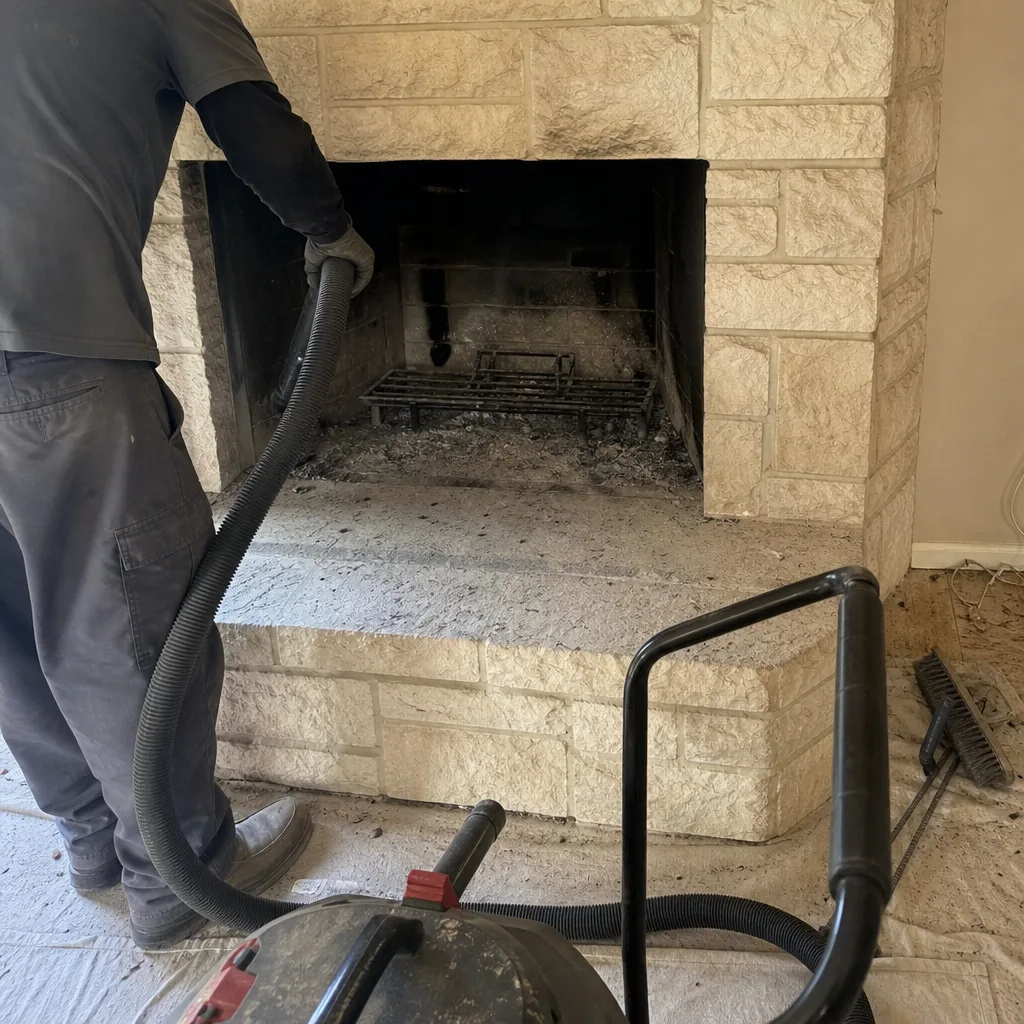
See the difference
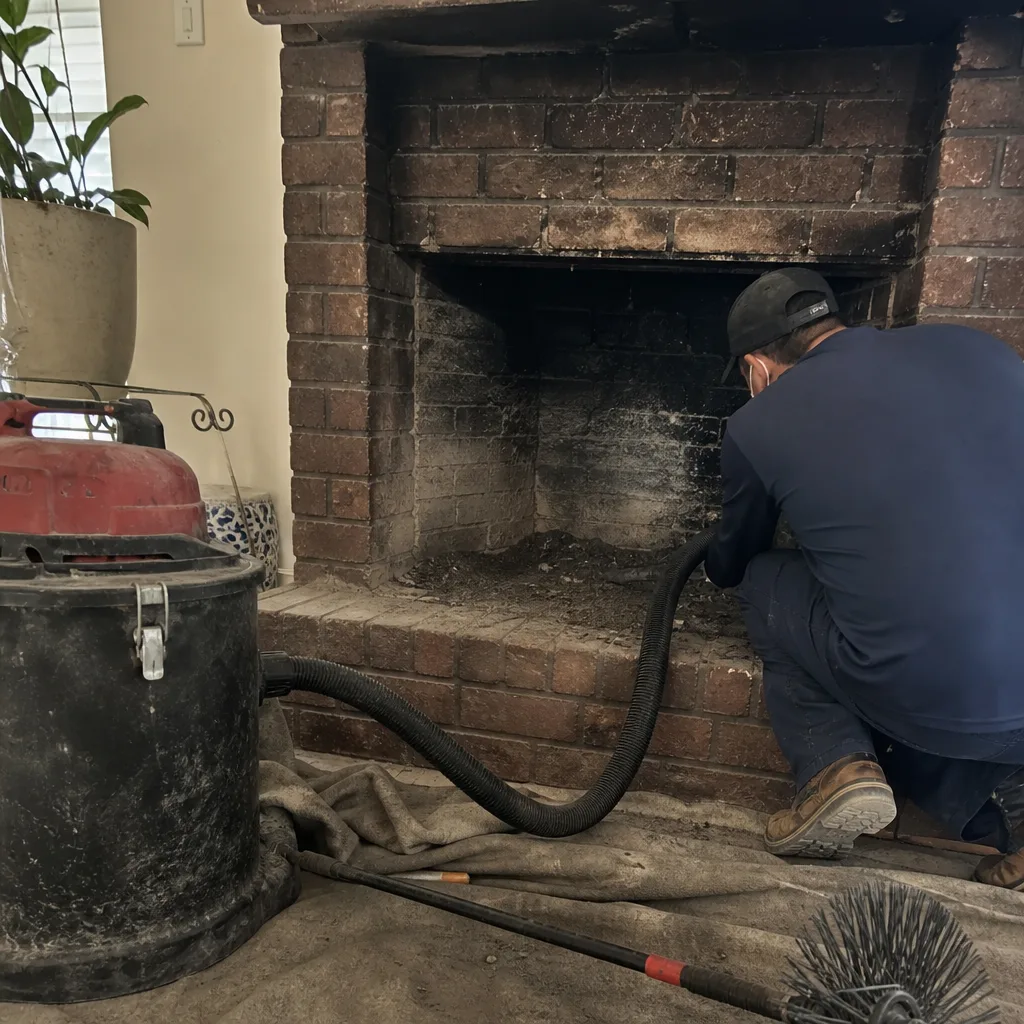 Before
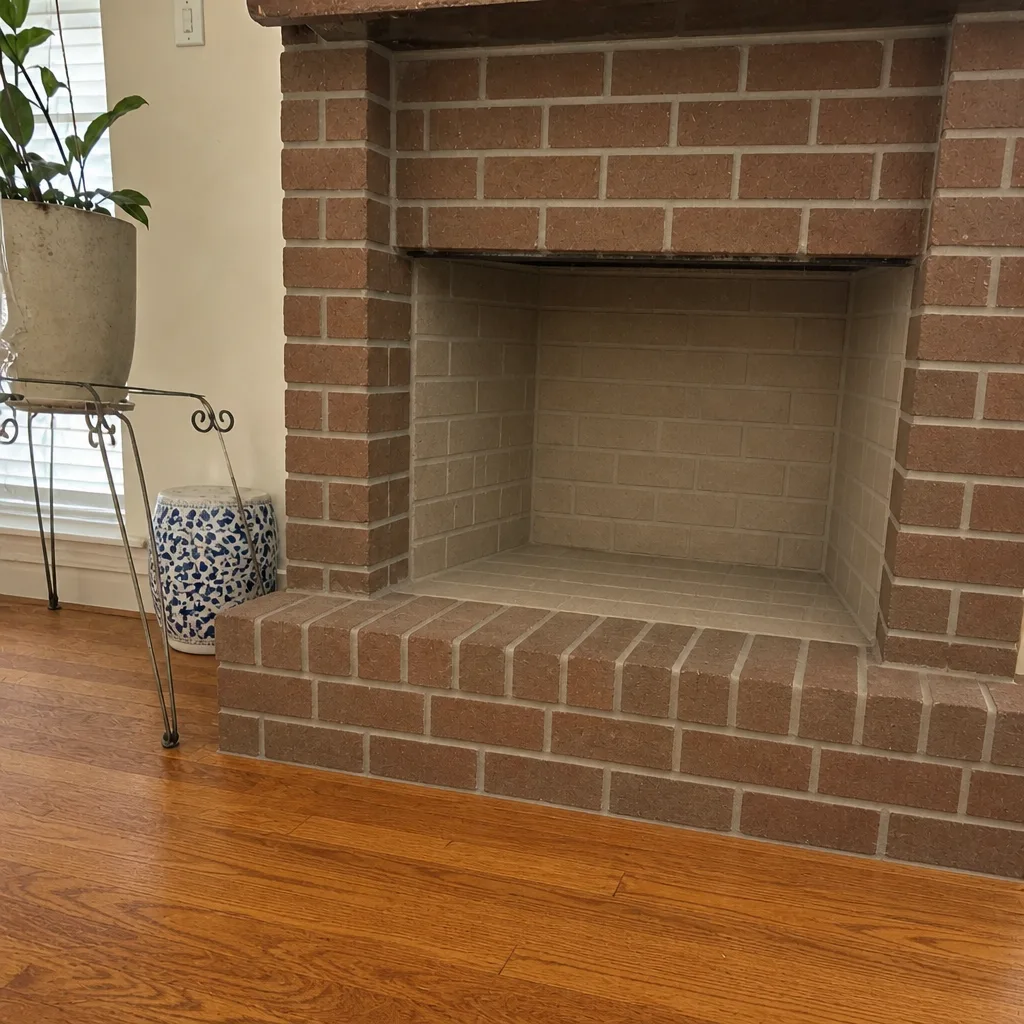 After
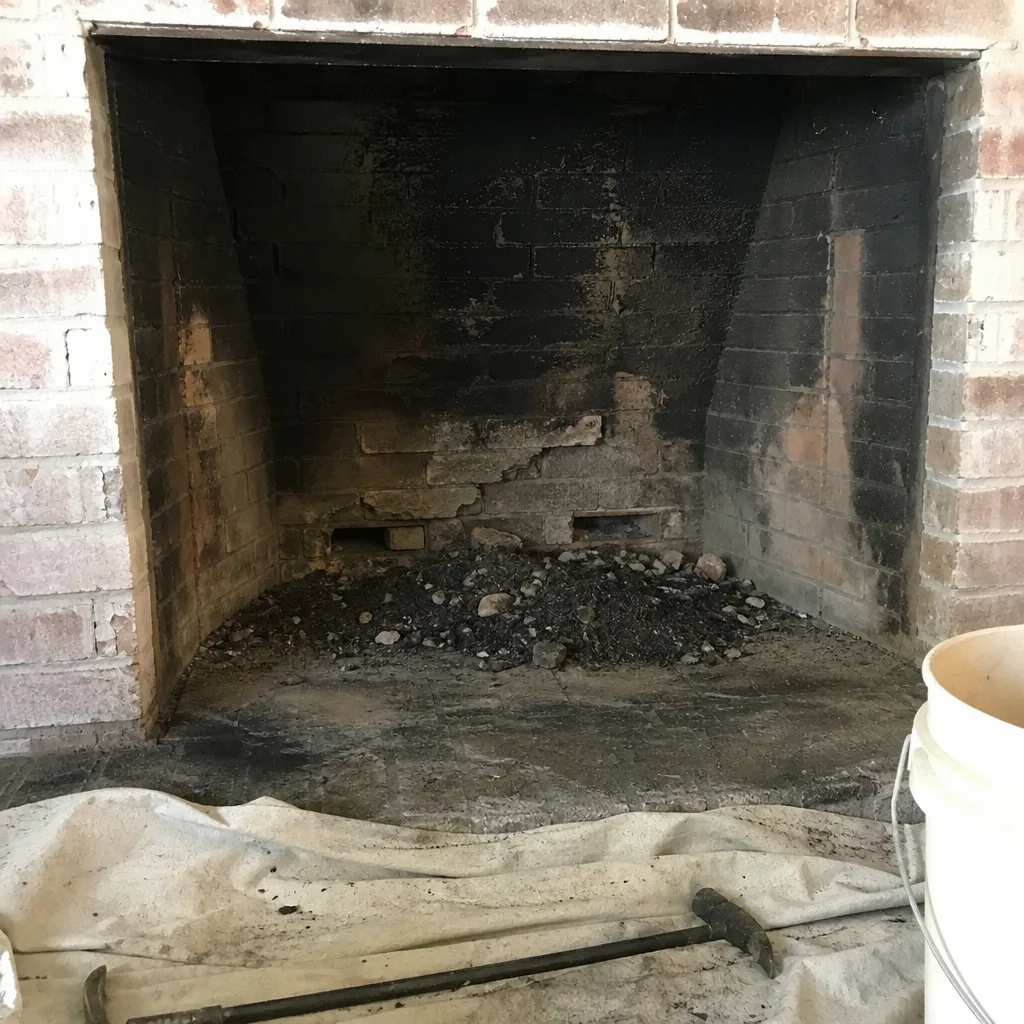 Before
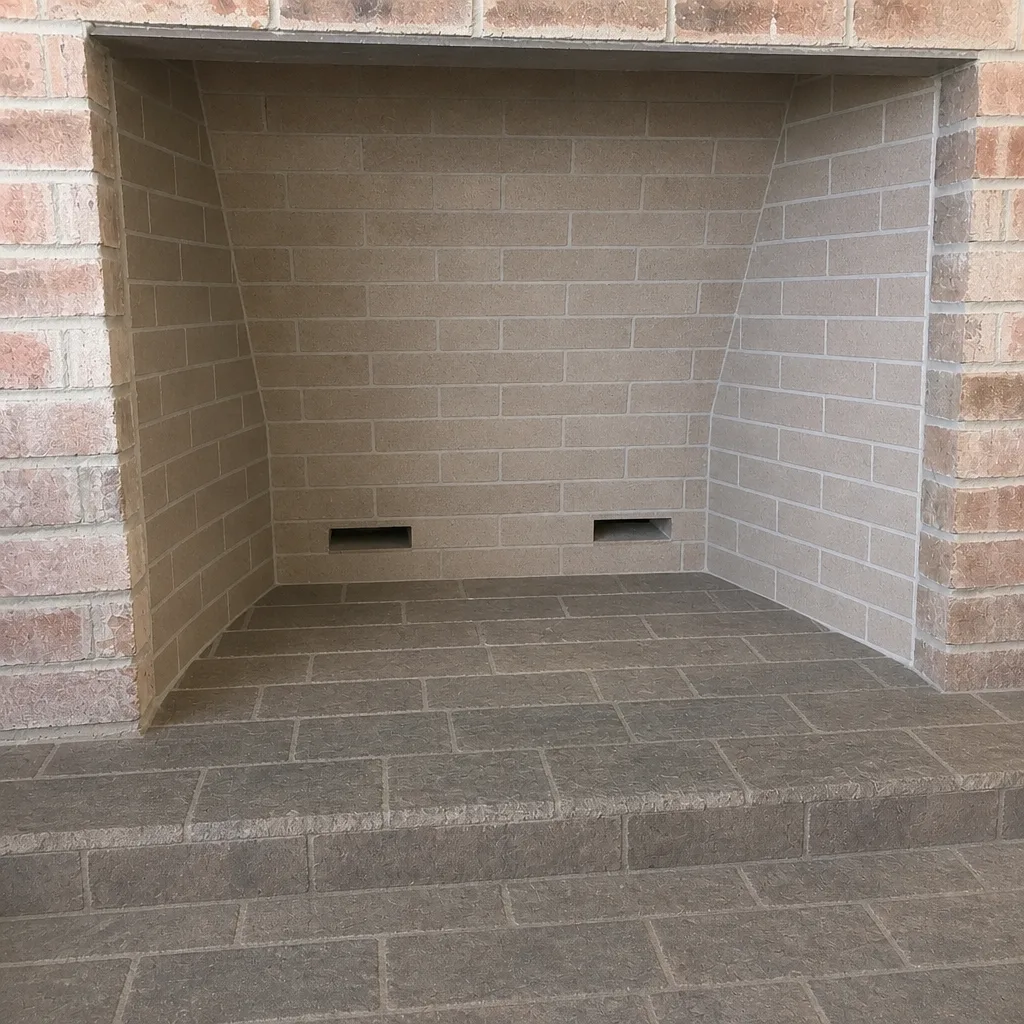 After
 Before
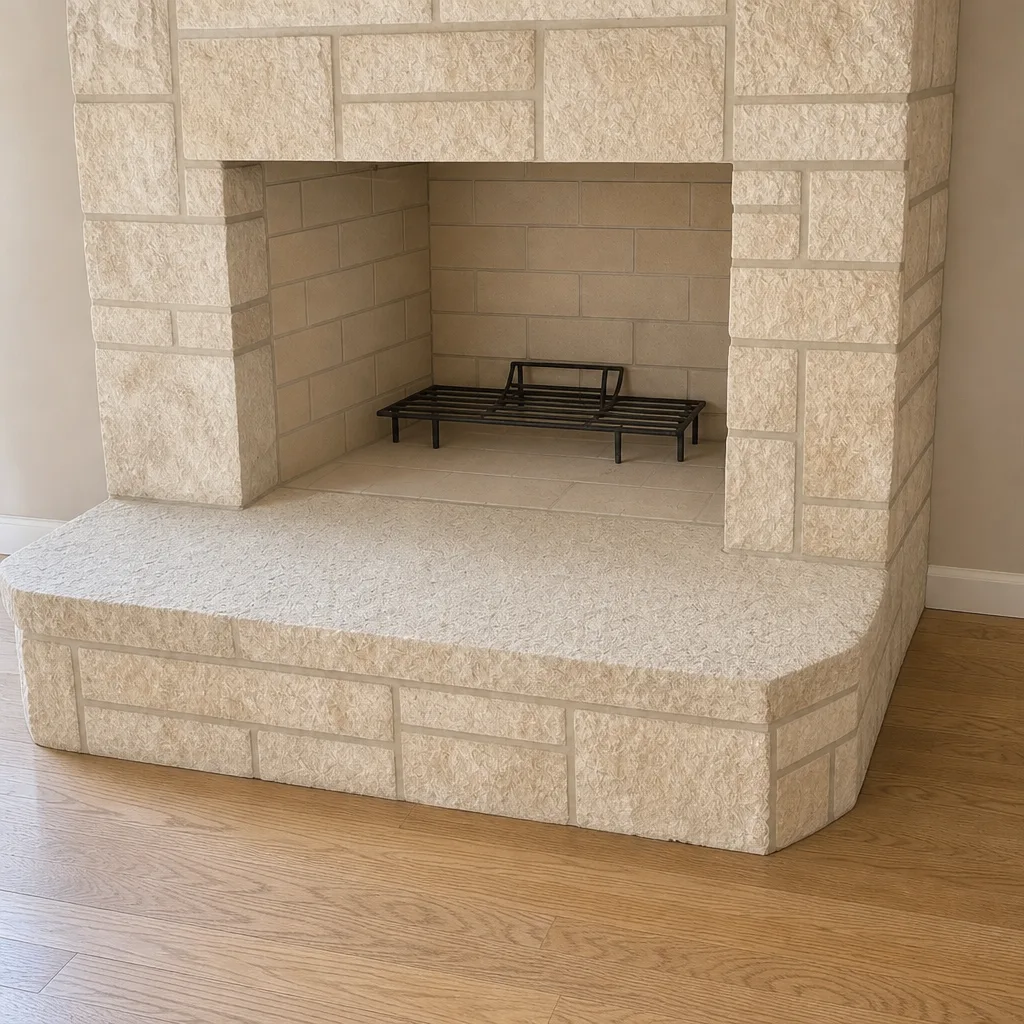 After
When to Call a Professional
Call a professional chimney company if you can’t remember the last time the chimney was cleaned, if you’ve just moved into a home with a working fireplace and don’t know its history, if you notice a strong creosote smell in the house, if smoke rolls back into the room when you light a fire, or if you’ve had a chimney fire even a small one. Call also if a previous technician told you the chimney needs repairs but couldn’t explain the evidence or provide a way to have the work done. Do not try to inspect the inside of a flue or remove heavy creosote yourself; that work requires camera equipment, proper tooling, and safety training to do without risk. Chimney Sweep Sharpstown offers free estimates in Sharpstown. Call (833) 991-8956. We answer 24/7. Fast dispatch from 7am to 7pm, Sunday through Friday.
Frequently Asked Questions
A standard full-service chimney cleaning in Sharpstown typically costs $175 to $350 in 2026, and $350 to $500 or more for a chimney that hasn’t been serviced in years or has heavy creosote buildup. The written estimate sets the final price, and the flat-price sweep is agreed before booking. Call (833) 991-8956 for an exact quote – estimates are free.
Not always, and no honest technician will tell you that you do without camera evidence. HeatShield ceramic resurfacing is a targeted repair that restores a damaged flue’s interior face without removing and replacing the liner, and it’s a valid option for many cracked or spalled flues. Full relining with a system like DuraFlex is reserved for flues where the existing liner is too far gone to resurface. You should see the photo evidence before you agree to either. Call (833) 991-8956 for an exact quote – estimates are free.
A chimney should be inspected once a year and cleaned whenever the inspection shows it needs it, which for regular wood-burning use usually means annual cleaning. In Sharpstown’s milder climate, factors like how heavily you burn and whether the wood is seasoned matter more than the outside temperature. If a chimney has gone years without cleaning, the first inspection often changes the recommended schedule. Call (833) 991-8956 for an exact quote – estimates are free.
The creosote layer thickens with each burn season, and at a certain point it can ignite. A fire inside the flue or the smoke chamber is not a minor event; it can damage the liner, warp the damper, and transfer enough heat to threaten the surrounding structure. Carbon monoxide is the other risk: a blocked or compromised flue can back combustion gases into the living space. Skipping the cleaning doesn’t make the risk smaller, it makes it accumulate. Call (833) 991-8956 for an exact quote – estimates are free.
The lower quote is almost always a narrower scope, not a better deal. Ask both companies for a written scope of work and line it up against the ten-item full-service list above. The quote that’s $150 cheaper is usually missing the smoke chamber cleaning, the written report, the photo record, or the liner verification. Once you’re comparing scope to scope, the difference usually becomes obvious. Call (833) 991-8956 for an exact quote – estimates are free.
With us, yes. We handle the sweep and the repair – no referrals, no second contractors. That’s the core reason a Sharpstown homeowner might choose a full-service chimney company over a sweep-only crew. One team inspects the chimney, cleans it, and if repairs are needed we perform them ourselves using trade-grade materials from DuraFlex, HeatShield, Gelco, Famco, Olympia Chimney, and Copperfield. Call (833) 991-8956 for an exact quote – estimates are free.
The Bottom Line
The wide range in chimney cleaning prices isn’t a mystery; it’s a map. A $99 cleaning covers one tier of work. A $250 cleaning covers another. A $400 cleaning covers the heaviest tier. Comparing them by price without a written scope is comparing apples to a bag of apples and a bag of oranges mixed together. Ask for a written scope of work. Check it against the ten items that should be on a full-service invoice. Look for photo evidence and a condition report you keep. And remember that the cleaning is the step that finds the problems; the repair cost when a cracked tile is caught during a cleaning is a fraction of what it costs after a fire. In Sharpstown, the milder winters don’t reduce the risk; the creosote still builds. Call (833) 991-8956 for a free estimate. We answer 24/7. Fast dispatch from 7am to 7pm, Sunday through Friday.
Chimney Sweep Sharpstown covers the full chimney system from sweep to repair, working with trade-grade materials so you know exactly what’s in your flue. From cap to firebox, one crew, one call.
Written by the team at Chimney Sweep Sharpstown.