
Last updated November 24, 2026
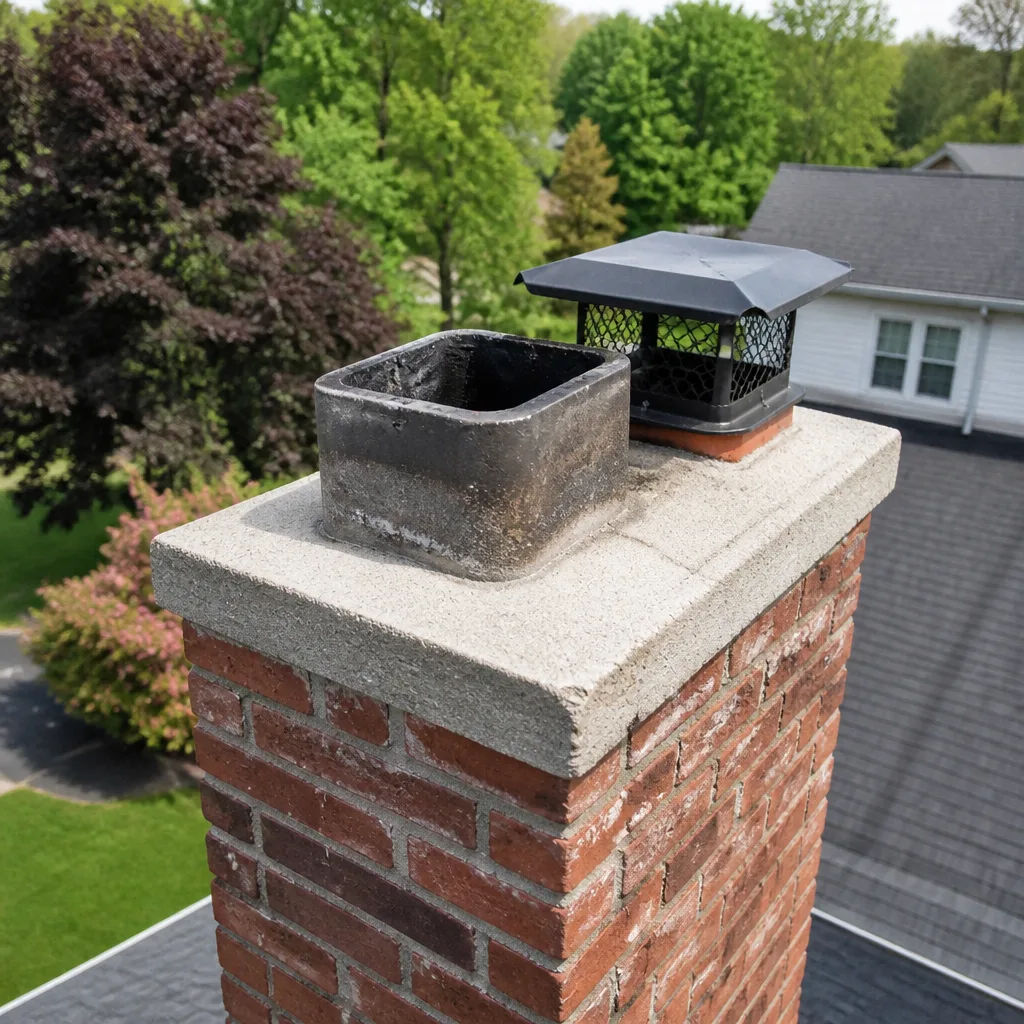 Sweep & inspection
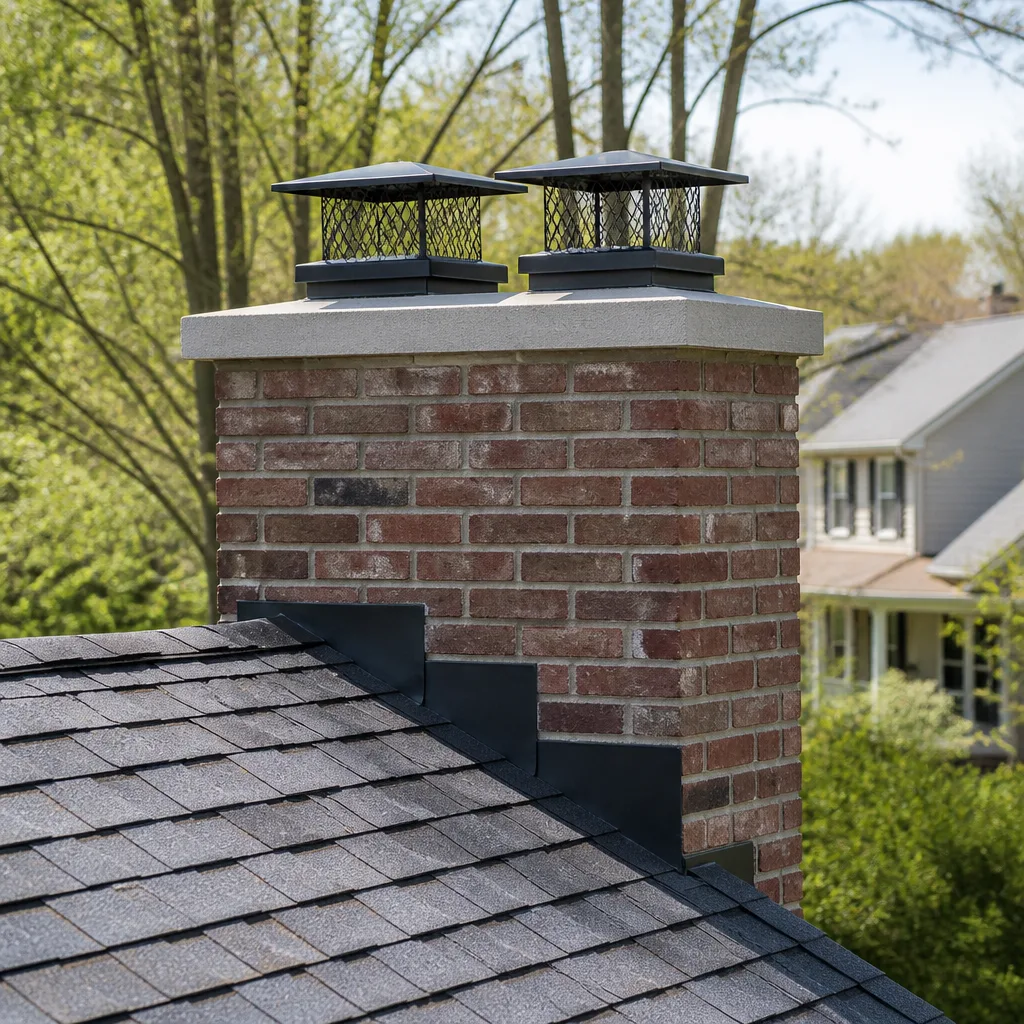 Caps & crowns
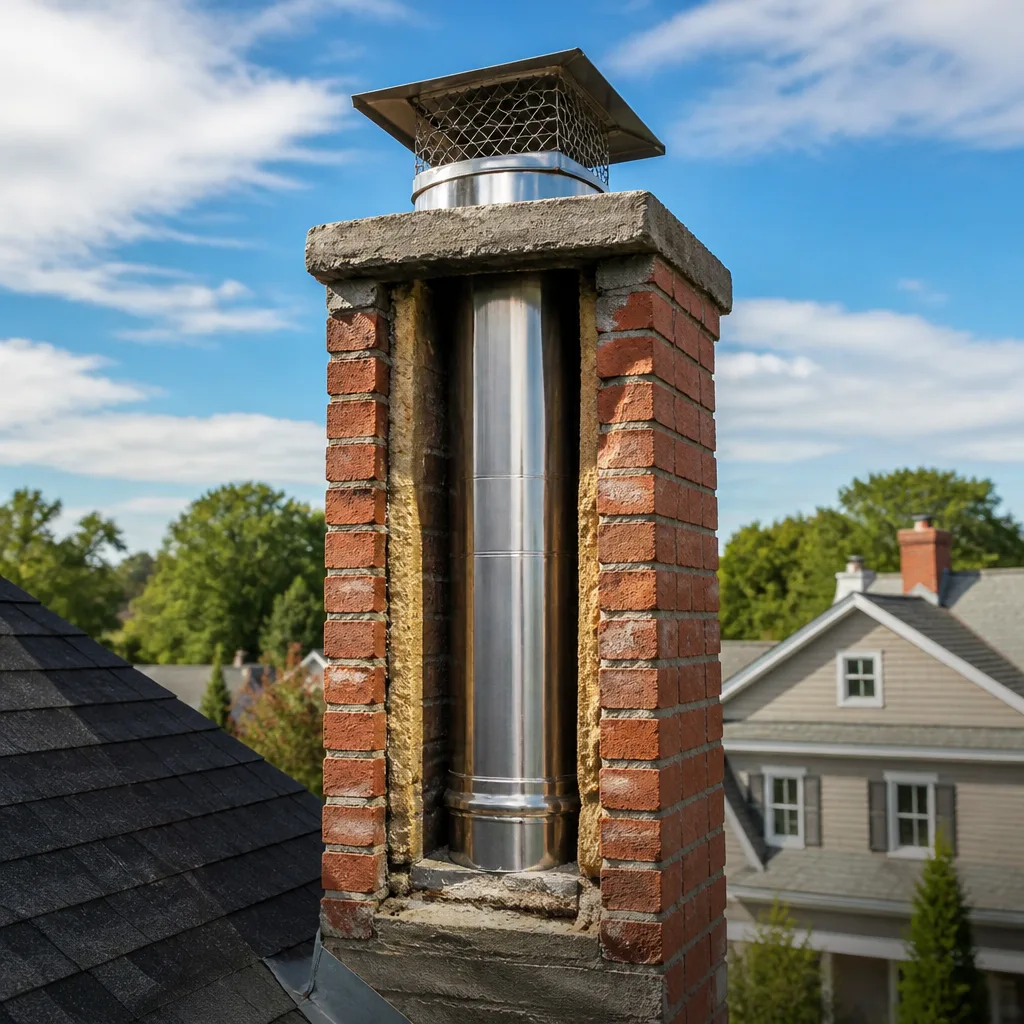 Flue relining
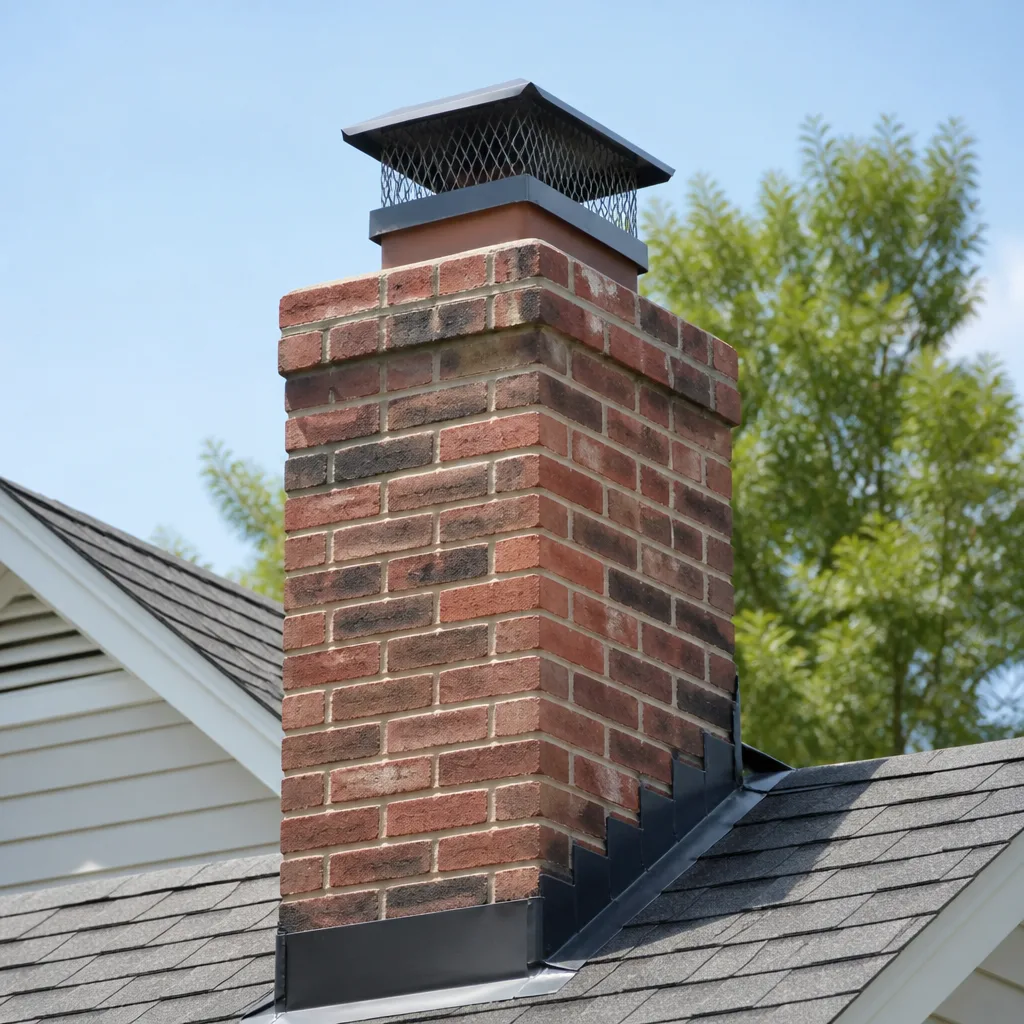 Masonry repair
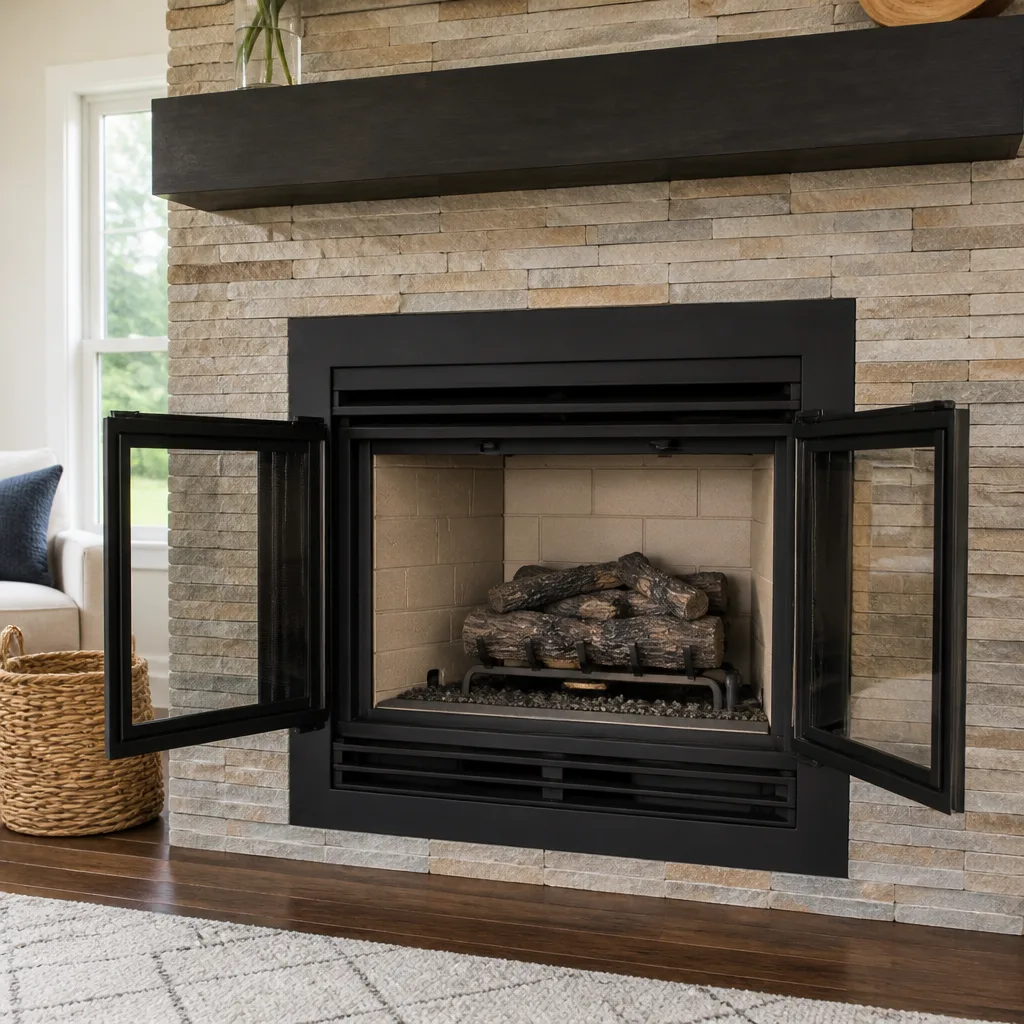 Gas fireplace service
Level 1 sweep and inspection to the NFPA 211 annual standard - flue, crown, cap, and flashing checked and photographed
Chimney sweep logs do not sweep chimneys. They loosen some creosote - which then falls where a brush and vacuum still have to collect it.
Chimney Cleaning Permits, Codes & Inspections in Sharpstown, TX: What You Need to Know
Here’s the part most homeowners miss: the cleaning itself is the easy question. Routine chimney sweeping in Sharpstown doesn’t need a permit, and nobody from the city inspects your flue before a sweep. But the work a sweep often uncovers – a cracked liner, a crumbling crown, a firebox that’s spalled down to the brick – usually does cross into permit territory, and that’s where people get surprised. A homeowner can pay good money for a relined flue and never learn that the structural change needed a permit and an inspection to sign off on it. This guide walks the line for you: which chimney jobs in Sharpstown and the surrounding Houston area require permits, which don’t, what the NFPA 211 standard actually means when an inspector applies it, and how to protect yourself at resale.
Quick Answer
Routine chimney cleaning and inspection in Sharpstown do not require a permit. Structural chimney repairs – relining a flue, rebuilding a firebox or chimney chase, and in most cases new cap and crown work tied to a repair – generally require a building permit through the City of Houston’s permitting process, and the finished work should be inspected against NFPA 211 standards. If you’re hiring anyone for structural chimney work, you have the right to ask for the permit documentation before they start.
Styles & brands we work with
- Sweep & inspection
- Caps & crowns
- Flue relining
- Masonry repair
- Gas fireplace service
Table of Contents
- Where the Permit Line Sits in Sharpstown
- NFPA 211: The Standard Every Inspector Works From
- What “Code Compliant” Means on an Invoice vs. a Passed Inspection
- How Unpermitted Chimney Work Surfaces at Resale
- Your Right to Request Permit Documentation
- Inspection Levels: What You’re Actually Getting
- Sharpstown Housing, Climate and Chimney Wear
- What You Can Check and What You Shouldn’t Touch
Where the Permit Line Sits in Sharpstown
The simplest way to think about it: cleaning is maintenance, structural change is construction. Maintenance rarely needs a permit. Construction almost always does. Sharpstown sits inside Houston city limits, so City of Houston building code governs, and the permit threshold follows the same logic Houston applies elsewhere – if you’re altering the structure or the flue system itself, it’s permit work.
Here’s how we break it down for homeowners in Sharpstown:
- No permit typically required: annual sweeping, a Level I visual inspection, a routine cap replacement with like-for-like hardware, minor firebox mortar touch-ups that don’t change dimensions.
- Permit typically required: installing a new flue liner (DuraFlex or otherwise), rebuilding a firebox, reconstructing a chimney chase above the roofline, installing a new prefab fireplace insert, converting a wood-burning fireplace to gas, and any crown rebuild that changes the structural profile.
- Grey area – ask before you book: a full cap-and-crown replacement on a masonry chimney, resurfacing a damaged flue with HeatShield, adding a top-sealing damper. Some of these are classified as repair and some as alteration depending on scope. Ask the contractor to confirm with the city before work begins.
That last category is where most confusion lives. A contractor who tells you “we don’t need a permit for that” may be right. They may also be avoiding paperwork they don’t want to file. A reputable contractor will tell you clearly which category the job falls into, and why. When we quote structural work in Sharpstown, we tell you up front whether the job pulls a permit.
If you’ve had a chimney sweep and the report flagged liner damage or a failed crown, that report is your starting point for the permit question. Bring it to whoever quotes the repair.
NFPA 211: The Standard Every Inspector Works From
NFPA 211 is the national standard for chimneys, fireplaces, vents and solid fuel-burning appliances. It’s the reference document nearly every municipal inspector uses to judge whether your chimney meets minimum requirements. Houston’s code doesn’t reinvent chimney rules from scratch – it adopts the national standard, which means a Sharpstown inspector reviewing your relined flue is looking for NFPA 211 compliance.
What that means in plain terms:
- Clearances from combustibles. The chimney and any connected appliance must maintain the required clearance from wood framing, drywall, and insulation. A new liner installation has to preserve those clearances.
- Flue sizing. The liner has to be sized to the appliance it serves. An oversized flue on a modern wood stove drafts poorly; an undersized flue won’t vent safely.
- Liner integrity. No cracks, no gaps at joints, no reliance on original clay tile that has failed. A flexible liner system – DuraFlex is what we install – has to be continuous and properly connected at both ends.
- Termination and cap. The chimney has to terminate at the correct height above the roofline, with an approved cap. Gelco caps are what we install here, and they meet the standard for spark arrestance and rain protection.
- Access for inspection and cleaning. A flue you can’t inspect or sweep isn’t compliant, no matter how well it drafts.
When an inspector signs off on a Sharpstown reline job, they’re checking against these points. The paperwork isn’t theatre – it’s the record that someone outside the contractor’s payroll looked at the work and confirmed it meets the standard.
What “Code Compliant” Means on an Invoice vs. a Passed Inspection
This is the distinction that catches homeowners more than any other. “Code compliant” written on an invoice means the contractor says the work meets the code. A passed permit inspection means an independent inspector looked at the finished job and agreed. Those are two very different levels of assurance, and only one of them will satisfy a buyer’s inspector at resale.
Consider what goes into each:
- Invoice statement: the contractor’s assertion. It may be accurate, and often is. But it carries no independent verification and is only as reliable as the contractor.
- Permitted and inspected job: the city has a record of what was installed and when, an inspector reviewed it, and the application was signed off. When you sell the house, that record exists in the city’s files.
Why does this matter so much in Sharpstown? Because a lot of the housing stock here is older, and older chimneys often carry a history of repairs done by whoever was cheapest at the time. Some were done well. Some were not. The only way to tell a documented fix from an undocumented one is the permit trail. When you’re buying or selling a home with a modified chimney, that trail is the difference between a straightforward closing and a negotiation.
Our position on this is simple: on structural work we tell you whether a permit applies, and we pull it if it does. We don’t advertise “code compliant” on an invoice and leave it at that. We install DuraFlex liners and HeatShield resurfacing because those products are recognized by inspectors – which means the passed inspection is achievable without the friction of explaining off-brand materials to a code official who’s never seen them.
How Unpermitted Chimney Work Surfaces at Resale
Here’s a scenario that plays out more often than it should: a homeowner pays for a flue reline, the contractor installs it, and neither party files a permit. Two years later the house sells. The buyer’s inspector looks at the flue, notes that the liner looks recently installed, and asks for documentation. There is none. What happens next is expensive and entirely avoidable.
The remediation path usually looks like this:
- The buyer’s home inspector flags the chimney. Unpermitted structural work on a chimney is exactly the kind of item a good inspector catches.
- The buyer’s lender and title company get involved. Unpermitted work can slow or halt financing because the lender needs assurance the collateral is sound.
- The seller has to produce documentation or remedy the situation. That can mean pulling a retroactive permit (if the city allows it), opening up the work for inspection, or redoing it entirely. Occasionally the liner is sound and the paperwork can be filed after the fact. More often it becomes a credit at closing or a repair escrow.
- The seller takes the hit. Whether it’s a price reduction or a repair out of the seller’s pocket, the money spent doing it right the first time was cheaper.
In Sharpstown, where a lot of the housing dates to the mid-twentieth century and has passed through several owners, the permit history of any chimney work is worth checking before a sale – and worth documenting before a sale, if it hasn’t been done. If you’re planning to list, get the chimney inspected and get the paperwork in order. Cheaper now than at the negotiating table.
Your Right to Request Permit Documentation
You’re entitled to ask any contractor doing structural chimney work for the permit number, the inspection sign-off, and the product documentation on what went into your flue. This is not an unusual request. It’s the standard ask, and a contractor who resists it is telling you something useful about how they work.
A request you can make in the first conversation:
- “Will this job require a permit, and are you pulling it?”
- “Can you show me the product documentation for the liner and the cap?” – If they’re installing DuraFlex or HeatShield, this is easy for them to provide. If they can’t tell you what product they’re installing by brand, ask why.
- “Who inspects the finished work, and will you give me the inspection record?”
- “Is the failed inspection covered if the work doesn’t pass?”
- “What’s the warranty on the product, and who backs it?”
On that last point: a HeatShield resurfacing carries a manufacturer’s product warranty. That warranty only travels with the homeowner if the paperwork travels with it. Same for any liner installation – the manufacturer’s warranty is worth what it’s written on if you don’t have the document. Get the paperwork and keep it with your home records.
This is also why the same team should do the inspection and the repair. When one company inspects and another repairs, nobody owns the gap. When we inspect a Sharpstown chimney and find liner damage, we can quote the repair, tell you whether it needs a permit, pull the permit if it does, and give you the inspection record when the job is done. One chain of accountability.
Inspection Levels: What You’re Actually Getting
Not every inspection is the same depth. The trade recognizes three levels, and knowing which one you’ve paid for tells you how much of your chimney has actually been looked at.
- Level I: visual inspection of readily accessible areas – the firebox, damper, visible flue from the firebox up, and the chimney exterior. It’s what comes with a routine annual sweep. It’s appropriate when nothing has changed and there’s no known problem.
- Level II: everything in a Level I plus a camera inspection of the flue and inspection of accessible attics, crawlspaces, and other areas not visible from the firebox. It’s the standard you want after a chimney fire, after a change in appliance or fuel type, after an earthquake or significant event, at a property transfer, or when you’ve been told there’s a problem and you want a proper diagnosis.
- Level III: everything in a Level II plus opening up concealed parts of the chimney – removing panels, cutting into walls, getting at areas nobody can otherwise reach. It’s reserved for diagnosed problems that require physical access.
When we inspect a chimney in Sharpstown, we’re doing a Level I visual or a Level II with camera, and the camera footage goes to you. If you’ve been told by another sweep that you “need repairs” but you were given no camera evidence, no photos, and no clear path to getting the work done, that report is not a diagnosis. Ask for the evidence. If the sweep couldn’t provide it, that’s a reason to get a second opinion before you authorize anything.
Level II inspection is also what a buyer’s inspector typically recommends on a home sale when there’s any question about the flue system. If you’re in Sharpstown and listing or buying, a Level II inspection is the right call.
For a deeper look at what a standard maintenance visit covers, our Chimney Sweep Sharpstown overview walks through the five service categories we handle.
Sharpstown Housing, Climate and Chimney Wear
Sharpstown’s chimney problems look a little different from what you’d find in a colder market. Houston winters are mild – which is good for the masonry, but it also means a lot of homeowners here don’t think about their chimney until something goes visibly wrong. That gap is where damage accumulates unnoticed.
Three Sharpstown-specific factors that affect how your chimney wears:
- Long humid summers. Houston’s humidity is the single biggest driver of chimney deterioration in this area. Masonry that stays damp for weeks on end weakens over time – mortar joints soften, brick faces spall, and the crown (the sloped top of the chimney) cracks. A chimney cap and a sound crown are doing more work here than they would in a drier climate.
- Wood-burning habits. When winter does arrive – and it’s short – wood-burning fireplaces get heavy use in a compressed window. Creosote builds up faster than the calendar would suggest because the chimney isn’t being swept all year. Annual sweeping matters more, not less, when the burning season is short and intense.
- Older housing stock. Much of Sharpstown was built in the mid-twentieth century, which means a lot of original clay tile flues. Clay tile cracks. When it does, the liner no longer contains combustion gases, and the fix is relining – which brings you back to the permit question.
We install Gelco chimney caps in Sharpstown because the rain is the enemy here more than the cold. A cap that keeps out water and lets the flue breathe will extend the life of a masonry chimney by years. It’s cheap insurance against the kind of crown and masonry damage that eventually forces a rebuild.
If you’re seeing crumbling mortar at the chimney top, dark staining on the exterior, or rust on the firebox, that’s the wear we see most in this part of Houston – and it’s worth a look before it turns into structural work.
What You Can Check and What You Shouldn’t Touch
There’s a real line between what a responsible homeowner can check and what requires a trained technician. Respect it. Chimney fires and carbon monoxide exposure are the reasons.
What you can check on your own:
- Open the damper and look up with a flashlight. You’ll see the first several feet of flue. If you see heavy black creosote, shiny glazed creosote, cracked tiles, or daylight where there shouldn’t be, call a professional.
- Look at the exterior chimney top from the ground with binoculars – check for missing cap, cracked crown, damaged mortar, or a leaning structure.
- Check that your carbon monoxide detector is installed and working. Every home with a fuel-burning appliance should have one.
- Check the firebox for loose or crumbling mortar around the firebrick.
What you should not attempt:
- Sweeping the flue yourself with a hand brush. You can’t see what you’re doing, you can’t assess what you brush past, and you can dislodge creosote into the firebox without proper containment.
- Anything to do with the flue liner, cap installation, or crown work. This is height work combined with structural change, and it’s how people get hurt.
- Any repair to the firebox. Firebox repairs involve high-temperature mortar and brick rated for the application; a plain mortar patch will fail and can trap moisture.
If you’re seeing creosote, a professional sweep is the answer, not a brush from the hardware store. A sweep who knows what to look for will find the liner problem underneath the creosote. When we do a fireplace repair on a Sharpstown fireplace, the diagnosis comes from a camera inspection, not from what we can spot from the hearth.
Common Mistakes to Avoid
- Skipping the permit on a reline. It’s the most common mistake in this category. A reline is structural work and almost always permit territory. Ask before you book, not after.
- Accepting “code compliant” on an invoice as proof. It isn’t. Ask for the permit number and the inspection record. If the job was permitted, that record exists.
- Booking a sweep-only company for a job that turns into a repair. If the sweep reports liner damage but can’t quote the repair themselves, you’re looking at a handoff. We handle the sweep and the structural repair in one visit, so the diagnosis and the fix come from the same place.
- Skipping the camera inspection when you’ve been told there’s a problem. A verbal “you need a liner” without photos or video is not a diagnosis. Ask for the evidence, and if it isn’t provided, get a second opinion. chimney cap & crown damage, in particular, gets over-diagnosed as full liner failure.
- Ignoring the crown because the flue “seems fine.” A cracked crown lets water into the masonry, which is the leading cause of chimney deterioration in Sharpstown. Fix the crown before the water damage reaches the liner.
- Waiting until the home inspection to sort out paperwork. If you’re selling, get the chimney inspected and documented well before the listing goes live. Sorting out unpermitted work mid-closing is expensive.
- Using a general handyman for firebox masonry. Standard mortar and standard brick don’t survive in a firebox. The material has to be rated for the temperature and the environment. Use a chimney specialist.
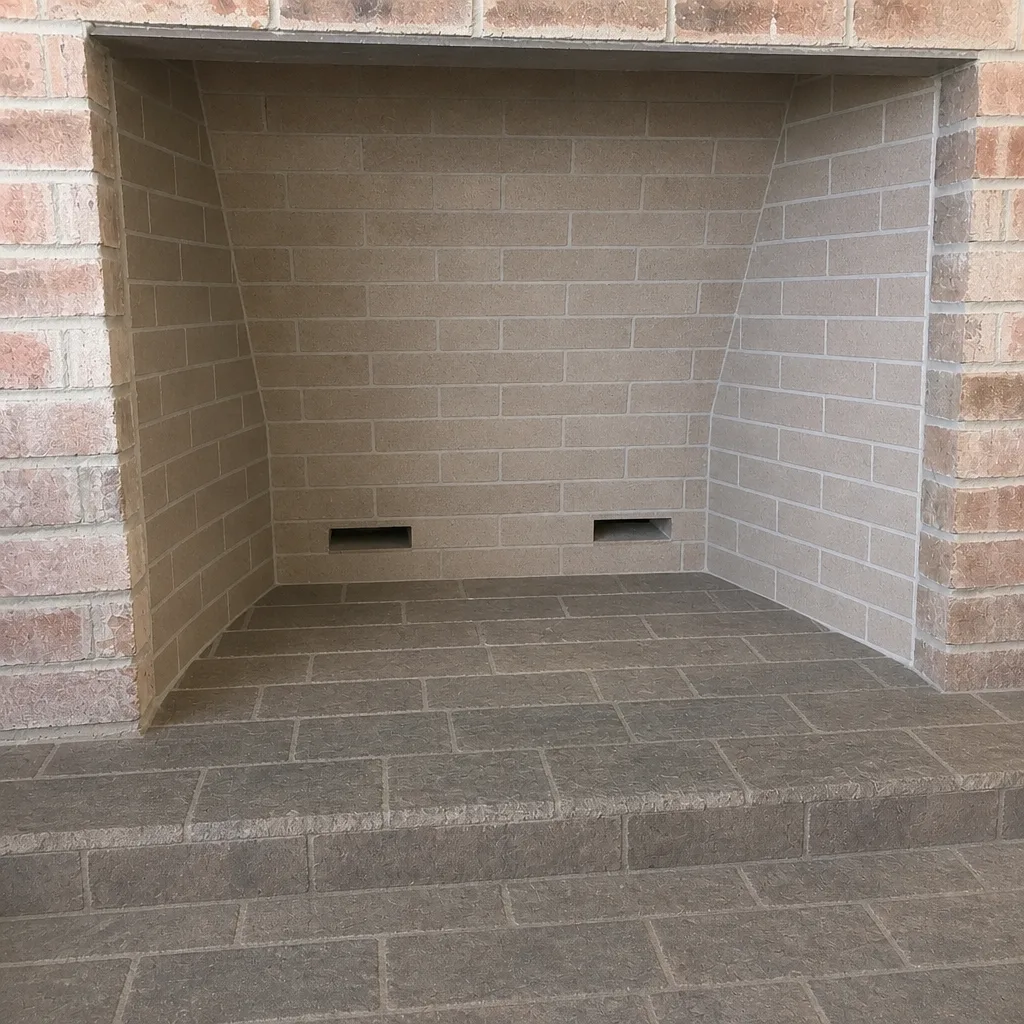
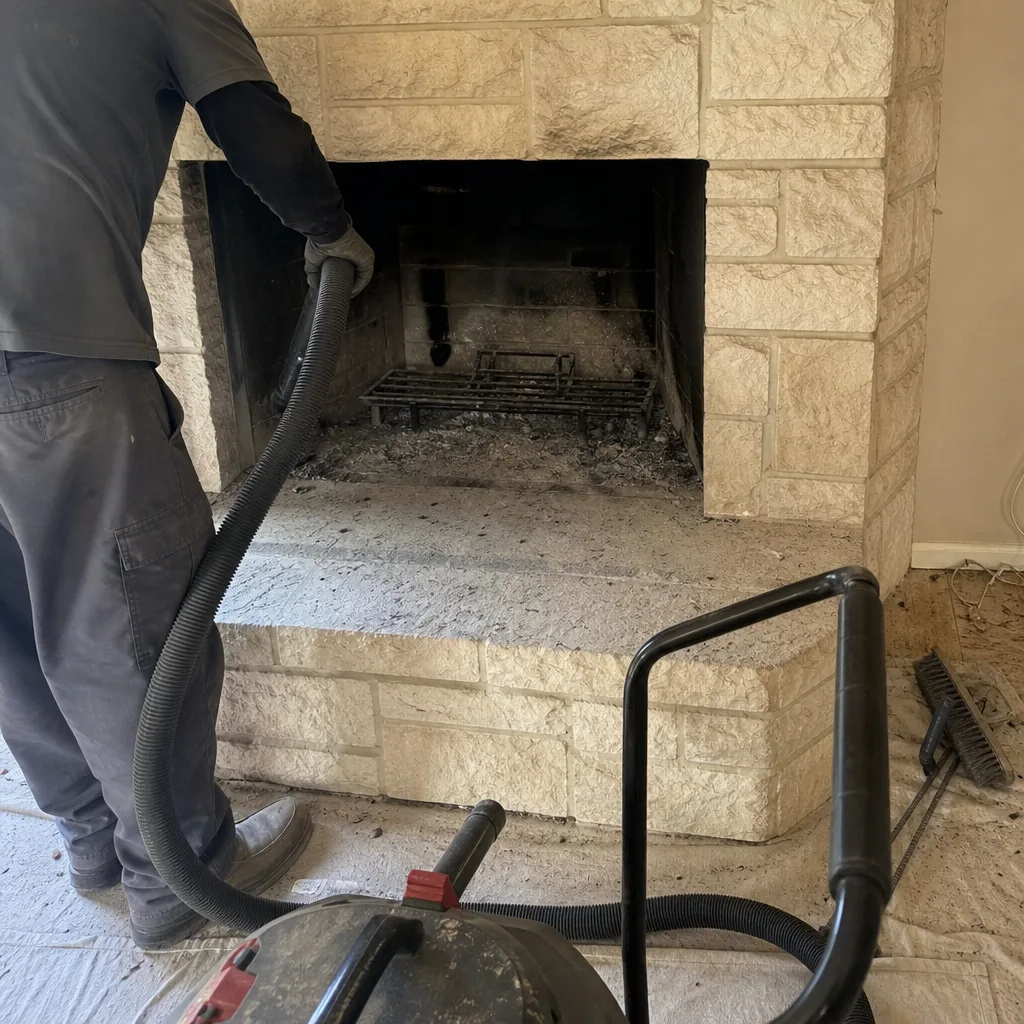
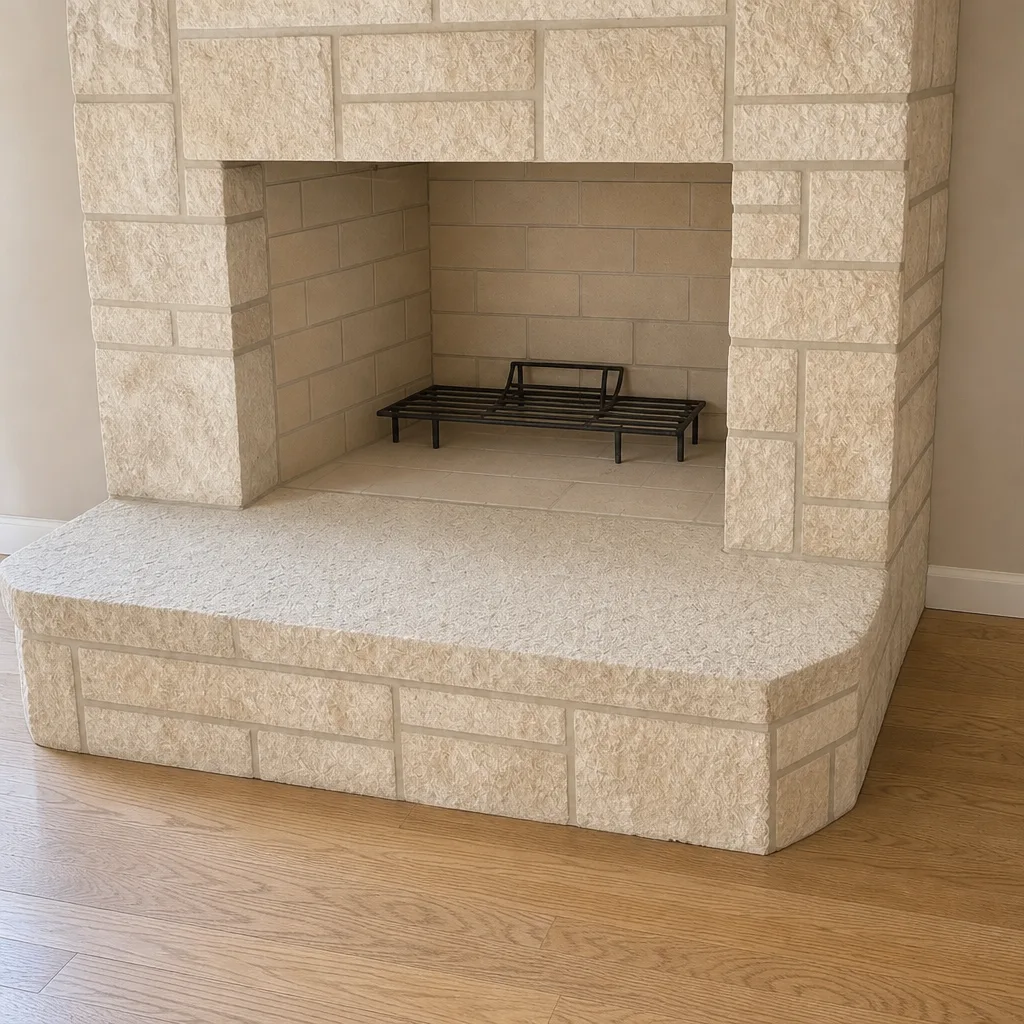
See the difference
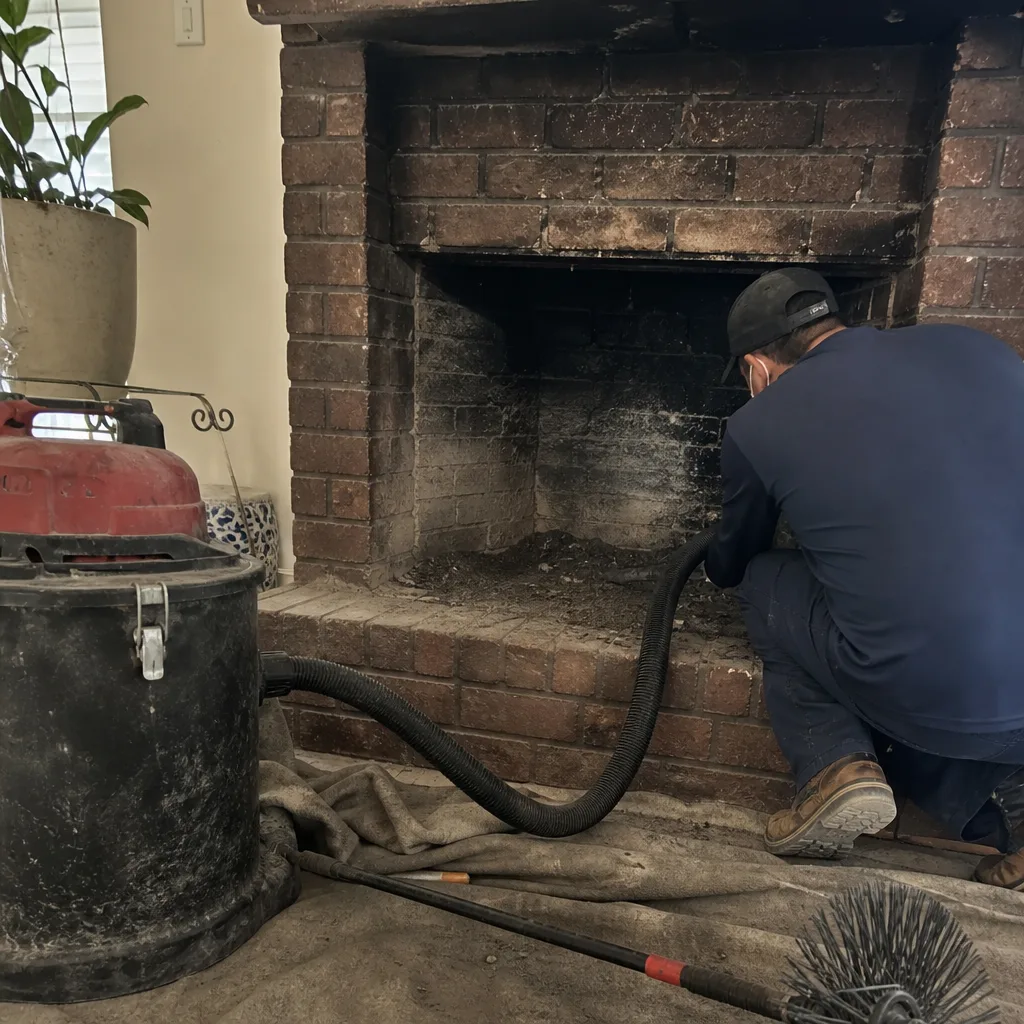 Before
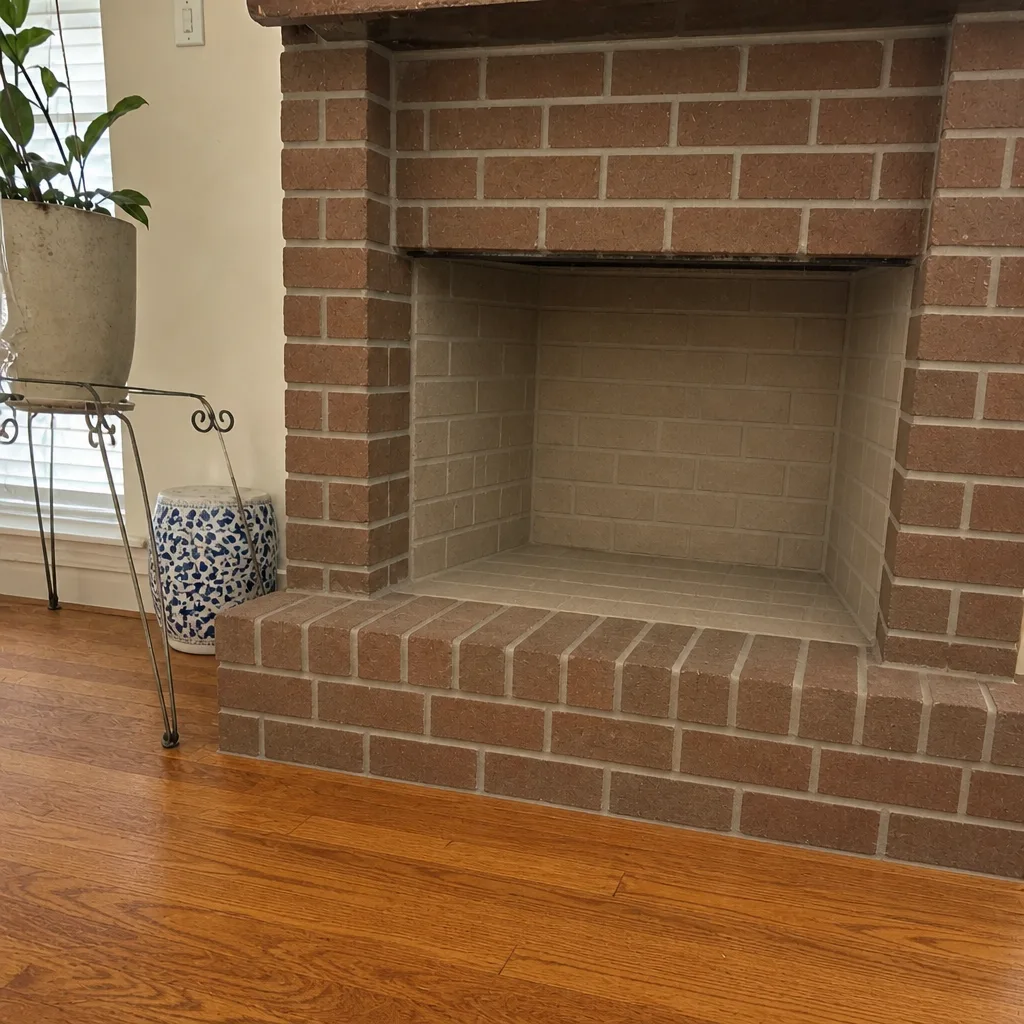 After
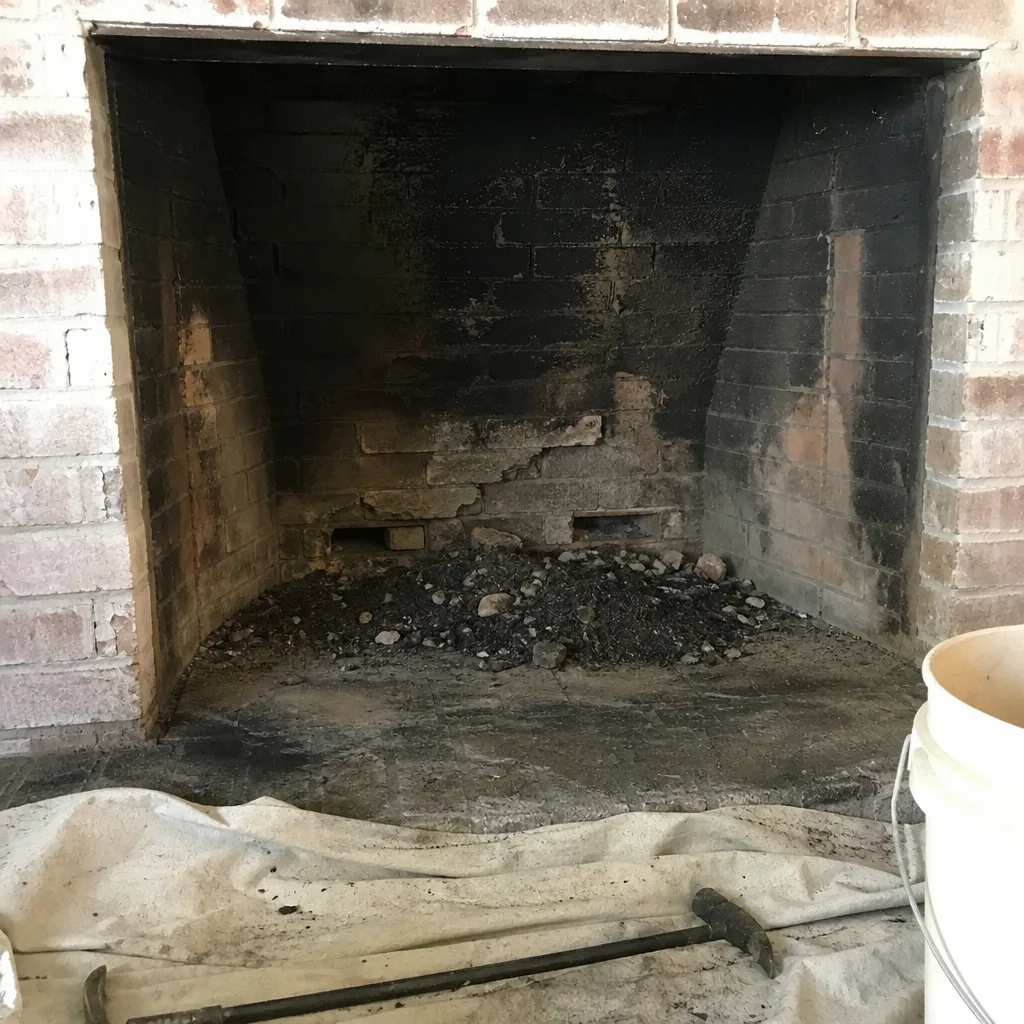 Before
 After
 Before
 After
When to Call a Professional
Call us when the question is bigger than “is it due for a sweep.” That means: creosote is visible and building up, the flue has cracked tile you can see from the firebox, the exterior chimney has loose mortar or a damaged crown, the firebox has crumbling joints, or you’ve been told by another contractor that you need repairs and you want a second opinion with camera evidence attached.
We also get called when someone’s in the middle of a home sale and the buyer’s inspector has flagged the chimney. That’s a real scenario in Sharpstown and worth sorting out with someone who can inspect, quote, and complete the work without three separate contractors. Chimney Sweep Sharpstown offers free estimates in Sharpstown – call (833) 991-8956. We answer 24/7, and fast dispatch runs 7am to 7pm, Sunday through Friday.
Our technicians have up to 14 years of experience. When we inspect, we tell you what we found, what needs doing, what can wait, and whether a permit applies. No scare tactics. If the work can safely wait, we’ll tell you that too.
Frequently Asked Questions
No. Routine chimney cleaning is maintenance, not construction, and doesn’t require a permit in Sharpstown or anywhere else in Houston. The permit question only comes up when the inspection turns up structural problems that need repair – a failed liner, a damaged firebox, or a crown rebuild.
Yes, in most cases. Relining a flue is structural work and typically requires a City of Houston permit and a post-installation inspection against NFPA 211 standards. Ask any contractor you hire to confirm the permit status in writing before work begins. If they tell you it doesn’t need one, ask them to explain why – and get a second opinion if the explanation doesn’t hold up. Call (833) 991-8956 for an exact quote – estimates are free.
NFPA 211 sets the national standard for chimney construction and installation – clearances from combustibles, flue sizing, liner integrity, termination height, and approved caps. Houston inspectors apply its requirements when reviewing chimney work. When a job passes inspection, that’s the standard the sign-off is measured against.
It can. A buyer’s inspector will typically flag recently installed liners or rebuilt chimneys that have no permit record, and the buyer’s lender may require remediation before closing. That usually means a credit at closing, a repair escrow, or redoing the work – all more expensive than pulling the permit in the first place.
Level I is a visual inspection and comes with a routine annual sweep. Level II adds a camera inspection of the full flue and a look at accessible concealed areas – the standard to ask for at a home sale, after a chimney fire, or when a contractor has told you there’s a problem you want to verify. If you’re in doubt, Level II gives you the evidence a Level I won’t.
Not always. A failed flue often can be treated with HeatShield ceramic resurfacing, which restores the flue interior without pulling the existing liner out. It’s a targeted repair for the right kind of damage and carries a manufacturer’s warranty. The way to know which one you need is a camera inspection. Don’t authorize liner replacement on a verbal recommendation alone – ask for the footage. Call (833) 991-8956 for a free estimate on either option.
The Bottom Line
Routine chimney cleaning in Sharpstown is a no-permit job. The structural repairs that cleaning often uncovers are not. If you’re having a liner installed, a firebox rebuilt, or a crown reconstructed, confirm the permit before work starts, and get the inspection record when the job is done. Ask any contractor for the permit number and the product documentation – a fair request that a legitimate contractor will answer without hesitation. Keep the paperwork with your home records. It’s the cheapest insurance you can carry against a problem at resale, and it’s the difference between a chimney that was fixed and one that just looks fixed.
Call (833) 991-8956 for a free estimate. We answer 24/7. Fast dispatch from 7am to 7pm, Sunday through Friday. From cap to firebox – one team, one call, and the paperwork to prove it.
Written by the team at Chimney Sweep Sharpstown.