
Last updated November 24, 2026
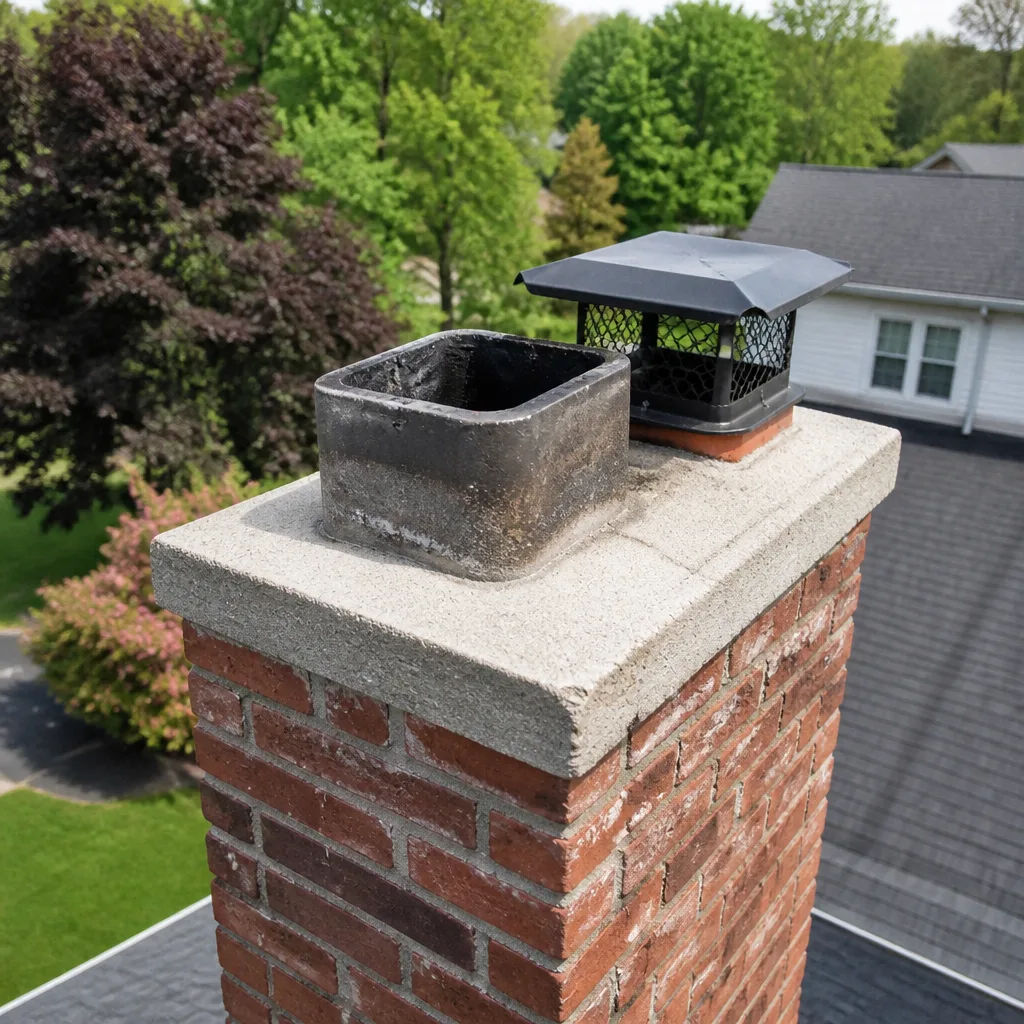 Sweep & inspection
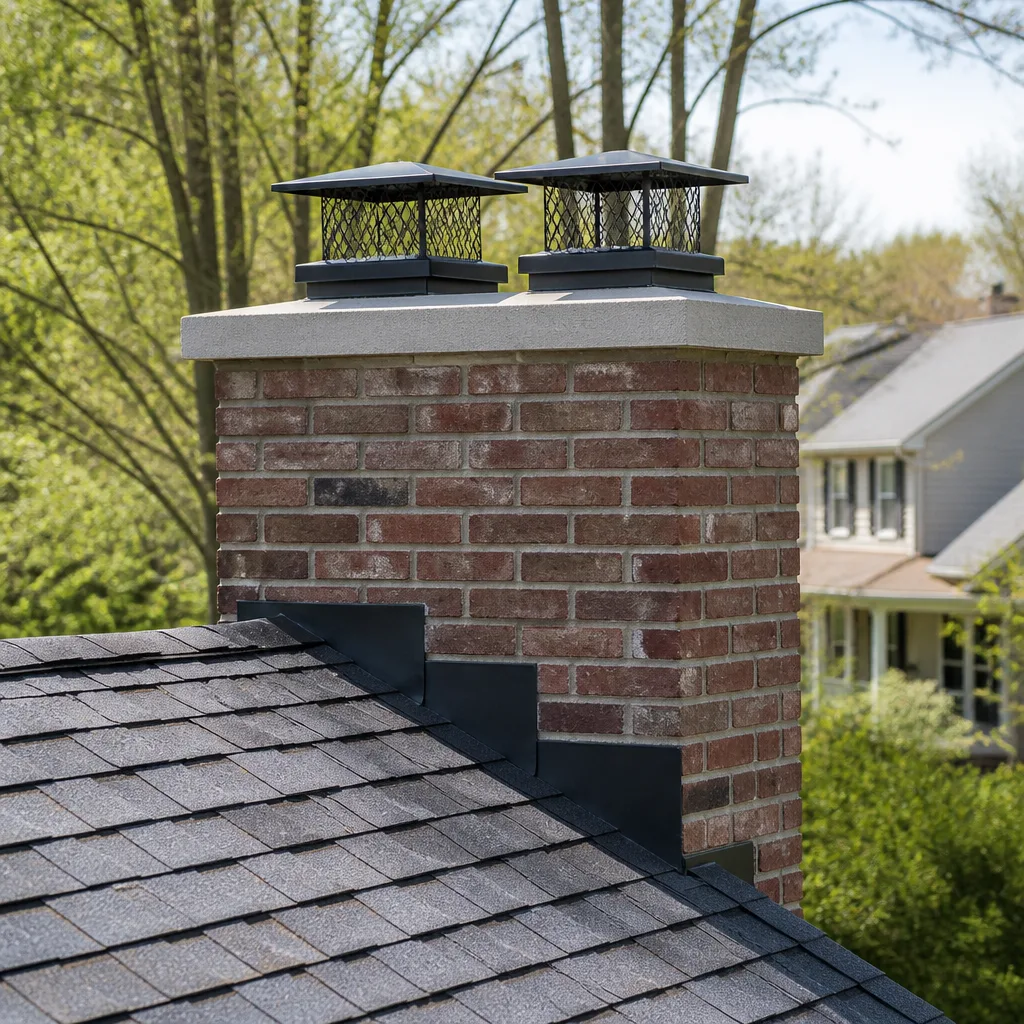 Caps & crowns
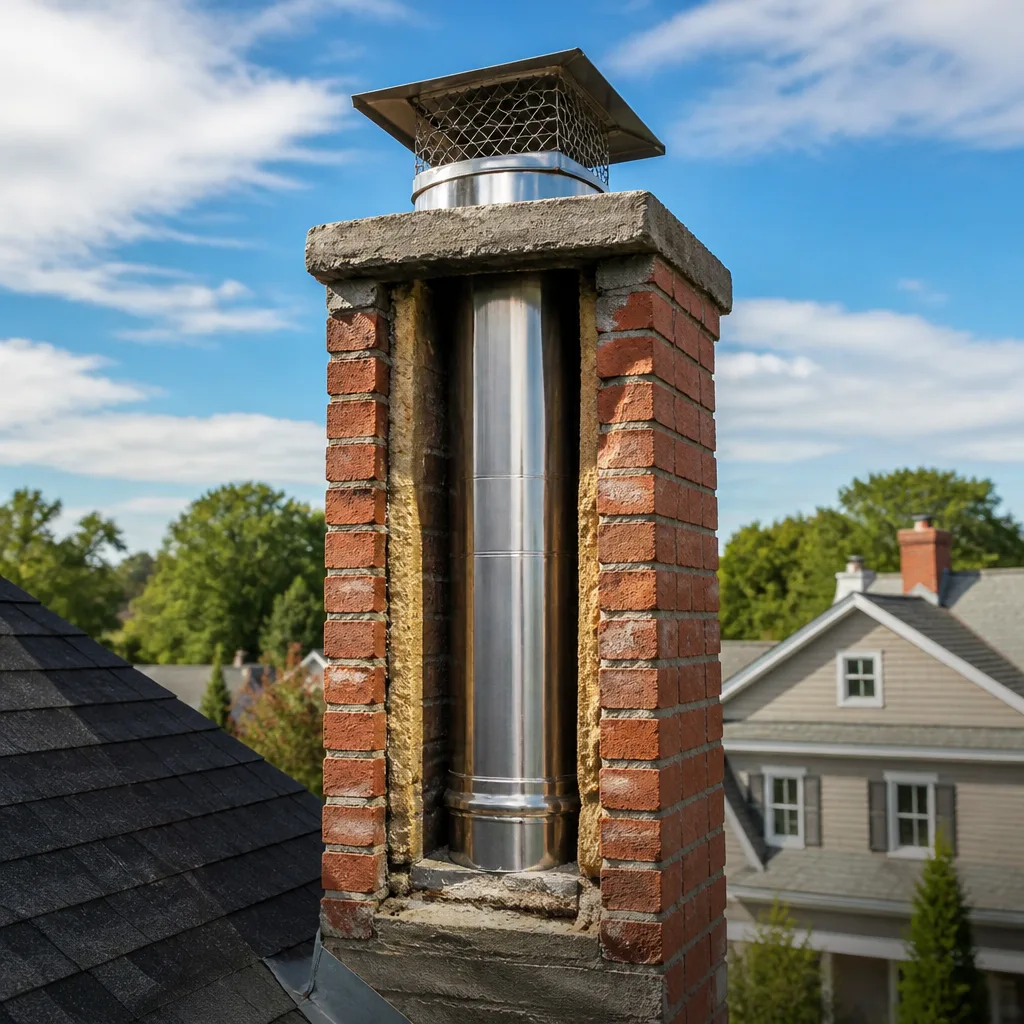 Flue relining
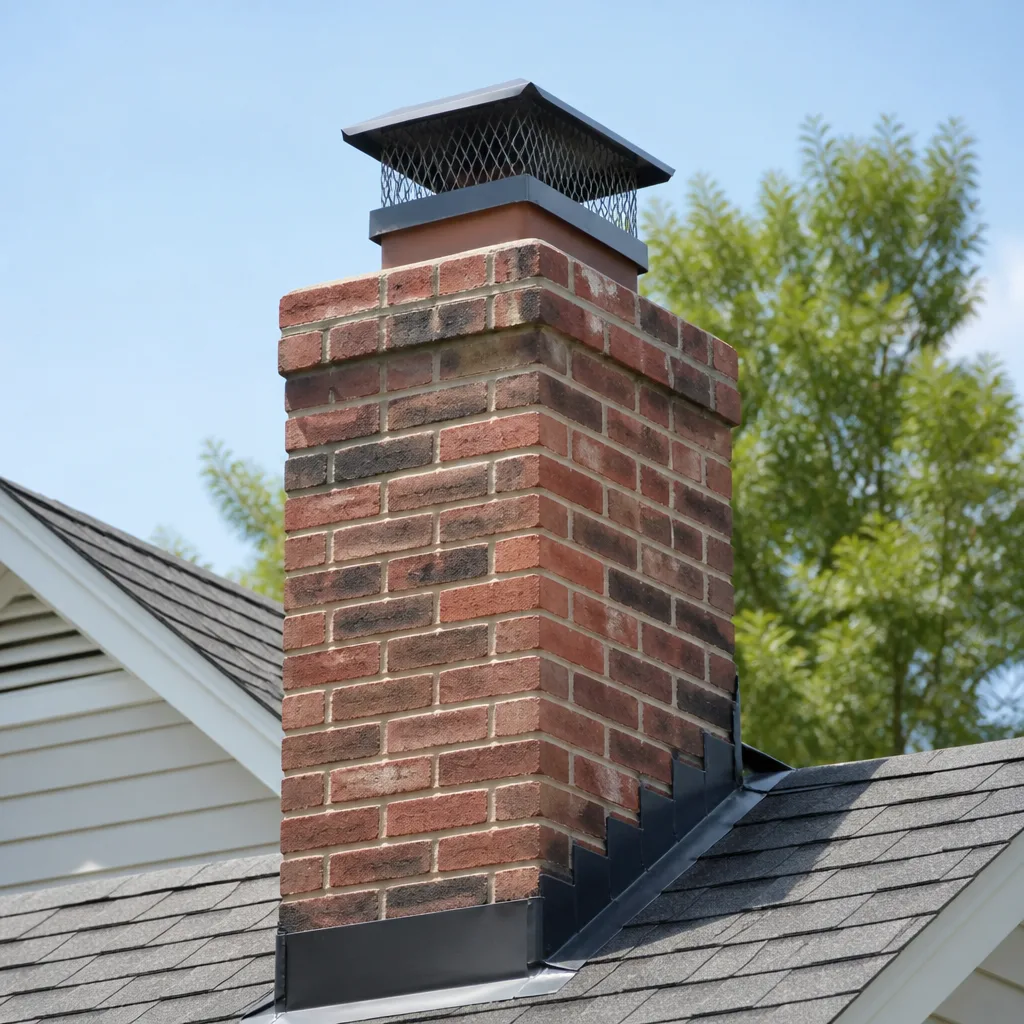 Masonry repair
 Gas fireplace service
Level 1 sweep and inspection to the NFPA 211 annual standard - flue, crown, cap, and flashing checked and photographed
Chimney sweep logs do not sweep chimneys. They loosen some creosote - which then falls where a brush and vacuum still have to collect it.
Chimney Sweep Maintenance Checklist for Sharpstown Homeowners
A homeowner who checks off “inspected chimney cap” without binoculars and a flashlight has not inspected their chimney cap. They’ve looked at their roof and felt better about it. That gap between doing a task and believing you did it is where most chimney trouble in Sharpstown starts. Published maintenance checklists tend to blur the line between what you can honestly verify yourself and what needs trade tools, and that false confidence costs people real money when a small mortar joint turns into a flue problem. This guide draws the line clearly: which items you can handle, which need a trained eye, and what a sensible maintenance calendar looks like in Sharpstown specifically.
Quick Answer
A homeowner-maintainable chimney checklist in Sharpstown covers visual checks you can do from the ground with binoculars, an annual firebox walk-through before the first burn, and keeping a written log of every service. Everything that involves the flue interior, the cap crown, mortar joints on the stack, or the damper assembly belongs to a trained professional with a camera and the right tools. One annual sweep and inspection plus honest homeowner checks between visits is the full picture.
Styles & brands we work with
- Sweep & inspection
- Caps & crowns
- Flue relining
- Masonry repair
- Gas fireplace service
Table of Contents
- The Honest Checklist: What You Can Do vs. What Needs a Pro
- The Five-Minute Firebox Check Before the First Fire
- Sharpstown-Specific Checks: Storm Debris and Mortar Erosion
- Parts With Finite Service Lives (And When to Expect Replacement)
- What an Annual Sweep and Inspection Actually Involves
- How to Log Maintenance History to Protect Yourself
- A Practical Seasonal Calendar for Sharpstown
- When to Move From Checking to Booking
The Honest Checklist: What You Can Do vs. What Needs a Pro
Most chimney maintenance lists assume you either do nothing or hire everything out. Both are wrong. A capable homeowner with a pair of binoculars and a flashlight can legitimately verify several things that matter. The rest need a trained eye and trade tools, and pretending otherwise is how chimneys quietly deteriorate.
Here is the split, laid out plainly. If a task appears in the second list and a published checklist tells you to handle it yourself, treat that checklist with suspicion.
What a homeowner can legitimately verify
- Cap and mesh appearance from the ground: Stand back on the lawn or across the street with binoculars. You can see whether the cap is still sitting flat and whether large holes or rust streaks are visible in the mesh. You cannot see hairline cracks or the crown beneath it, and that’s fine; note what you see and leave the assessment of the crown to the sweep.
- Obvious debris on the roof near the chimney: Twigs, leaves and palm fronds piled against the stack are visible without stepping onto the roof. Note them for the sweep to clear safely.
- Firebox interior condition before the first burn: See the dedicated section below for the five-minute inspection you can do every season.
- Damper operation: Open and close the damper a few times with the firebox cold. If it moves freely, that’s good. If it sticks, squeals, or doesn’t seal, write it down for the technician.
- The smell test and smoke behavior: If smoke rolls into the room instead of up the flue, or you smell creosote when the fireplace isn’t burning, that is real information worth acting on.
What needs a professional
- The full flue interior: Creosote thickness, glaze, cracks in the liner, and offset or gap dimensions are invisible from the firebox. A camera and a proper sweep rod are the only honest way to assess the flue.
- The cap crown and its seal: Crown cracks and the bond between cap and flue tile aren’t visible from the ground with binoculars. A trained eye needs to be on the roof.
- Mortar joints up the full stack: Receding mortar between brick courses on the exterior of the chimney can be seen from the ground with good binoculars, but judging whether the joint is cosmetic or structurally failing takes experience. This is a call a professional makes.
- Damper blade integrity and smoke shelf condition: A damper that looks fine from the firebox can have a warped blade or a rusted pivot that only reveals itself under load. The smoke shelf above the damper is often packed with debris and needs clearing with tools.
- Any repair or replacement: Liners, caps, crowns, firebox panels. These are not homeowner tasks, and we’d rather tell you that clearly than hand you a repair you can’t actually complete.
If you want a genuinely thorough professional pass rather than a self-guided check, a chimney sweep covers the flue, firebox and visible components in one visit. Anything the sweep finds that needs repair, our team handles in the same company. No handoff to a separate mason, no second contractor to schedule.
The Five-Minute Firebox Check Before the First Fire
Before you light the first fire of the season, five minutes in the firebox with a flashlight will catch most of the obvious problems. This is a check, not a repair session. If anything looks wrong, stop and book a professional inspection. Here’s the sequence.
- Look up the flue with a bright flashlight. You’re not assessing creosote thickness; you’re looking for visible blockage and anything hanging inside. If you can see daylight at the top, that’s a good sign. If you see something obstructive or significant soot buildup on the walls, stop and note it.
- Open and close the damper. It should move smoothly through its full range and seal flush when closed. A damper that won’t seal wastes heat and lets cold air into the room when the fireplace isn’t in use. Sticking or incomplete sealing is a repair item.
- Look at the firebrick lining. Hairline cracks in the brick are normal and typically not urgent. Cracks wide enough to catch a fingernail, missing chunks, or gaps where the brick face has spalled away from the firebox wall are different. Those need professional eyes.
- Check the mortar joints between firebrick. The joints should be continuous. Crumbling or missing mortar in the firebox is a repair item.
- Clear the ash pan and grate area. A thin layer of ash on the firebox floor is fine. An ashy firebox piled over the ash pit is not; sweep it out and dispose of ash outdoors in a metal container.
- Smell the firebox. Creosote has a distinct acrid smell. If you smell it when the fireplace is cold, that’s a sign of buildup above the damper. Note it for the sweep.
If everything on this list checks out, you can safely light the first fire. If more than one item looks off, book a sweep and inspection before burning. We see a lot of fireboxes in Sharpstown where a homeowner skipped this five-minute check and lit a fire that didn’t draw correctly, which is a frustrating way to spend an evening.
Sharpstown-Specific Checks: Storm Debris and Mortar Erosion
Sharpstown sits in a part of Harris County where the weather pattern does two things to a chimney that checklists written for colder climates miss entirely. The first is heavy storm debris from tropical systems and summer thunderstorms. The second is a pattern of warm, humid months punctuated by the occasional hard freeze that pushes water into mortar joints and then expands it. Both create specific maintenance items you won’t find in generic homeowner guides.
Storm debris intrusion
After any significant storm, the first place debris accumulates on a Sharpstown chimney is the cap mesh. Leaves, twigs, and palm fronds lodge against the mesh and can block the flue outlet entirely. A blocked cap doesn’t just hurt draft; it’s a carbon monoxide hazard if the fireplace is in use. Step outside with binoculars after a storm and look at the cap. If the mesh is packed or obstructed, don’t burn until it’s cleared.
The second debris collection point is the smoke shelf inside the firebox, above the damper. Fine debris that gets past the mesh settles there. A trained technician clears it during the annual sweep; it’s an awkward spot to reach on your own and not a homeowner task.
Mortar joint erosion after freeze events
Harris County doesn’t get deep cold, but it does get short hard freezes. When moisture soaks into a mortar joint and then freezes, it expands and pushes the joint apart. Over a few seasons, mortar joints on the exterior chimney stack can start to recede noticeably. From the ground with binoculars, you can see the joints going gray and pitted compared to fresh mortar. You can’t judge from the ground whether the joint has failed structurally. That call needs a professional on the roof, and it’s a call worth making promptly. Small joint repairs are one of the cheaper chimney repairs and staying ahead of them prevents bigger masonry problems.
The visible signs of mortar trouble on a Sharpstown chimney are surprisingly consistent: gray, crumbly joints on the stack, brick faces that look chalky rather than solid, and occasionally a small pile of sand or grout dust on the roof flashing below the stack. Any of those is worth a call. Fill out the checklist and book an inspection. If you’re already dealing with what looks like joint failure, our chimney repair page covers what we do about it.
Parts With Finite Service Lives (And When to Expect Replacement)
No chimney part lasts forever. The published lifespans below are honest ranges based on typical residential use, not guarantees. A well-maintained Sharpstown chimney will often see the outer edge of these ranges; one that ran hot fires frequently will see the shorter end. The point is to know what’s aging so you can budget for it rather than get surprised by it.
- Damper blade (top-sealing or throat): 10-15 years typical. Hinges rust, blades warp from heat cycling. A damper that no longer seals costs you heat on every fire.
- Smoke shelf smoke seal (gasket on top-sealing dampers): 3-7 years. Gaskets compress and wear. A worn gasket lets cold air and odor into the room when the fireplace is idle.
- Chimney cap mesh: 8-12 years for a stainless or galvanized mesh cap, shorter for cheap mesh in a windy spot. Rust-through or sagging mesh means animals and debris get in.
- Cap crown mortar: 10-15 years before visible cracks. A crown that cracks lets water into the top of the chimney, where it does the most damage.
- Clay flue tile: 20-30 years if not damaged by a chimney fire. Hairline cracks are normal; spalling and gaps mean relining is coming.
- Flexible stainless liner: 15-25 years for quality stainless. The DuraFlex systems we install are rated for this range and hold up to normal wood-burning.
- Firebox firebrick face: varies widely with fire use. Clean burning and proper ash management get you the long end of the range.
When any of these hits replacement age, our team installs it with trade-grade parts: Gelco and Olympia Chimney components for cap and general chimney parts, DuraFlex systems for relining. If a flue’s interior is intact except for damaged clay tile, HeatShield ceramic flue resurfacing often brings it back into service without a full reline. Having the part in the right brand means you know what’s in your flue and can document it for a future sale.
Next to these, chimney cap & crown work is the most commonly deferred item in Sharpstown, and the most consequential when it fails.
What an Annual Sweep and Inspection Actually Involves
An annual sweep and inspection is the anchor of any chimney maintenance checklist. Understanding what happens during the visit helps you judge whether you got a real inspection or a hand-wave. Here’s the sequence we run.
- Exterior visual from the ground and roof. The cap, crown, flashing, masonry joints, and any signs of water intrusion get a proper look from the roof, not just from the driveway.
- Firebox and hearth inspection. Firebox brick, damper operation, smoke shelf condition, and the firebox-to-hearth transition. Any visible damage gets noted.
- Flue sweep with proper brushes. Creosote gets removed by brush sized to the flue. Glazed creosote (stage 3) resists brushing and needs a different approach, which is a repair item rather than a sweep item.
- Camera inspection of the flue. A video camera run down the flue reveals liner condition, gaps, offset joints, and any obstruction the brush couldn’t clear. This is the step that catches problems early.
- Photo report and findings review. Everything gets documented with photos. We walk you through the findings and give you a written estimate if any repair is needed. No surprises, no pressure, and clear direction on what can safely wait.
An honest inspection should tell you three things: what’s fine, what needs attention now, and what can wait until next season. We never recommend repair work without photo evidence you can see for yourself. If we tell you the liner has a gap, you get to look at the gap in the photo before we quote anything. We handle the sweep and the repair, so there’s no handoff to a second company when the inspection turns up work.
How to Log Maintenance History to Protect Yourself
A chimney log seems fussy until you’re selling the house or filing an insurance claim. Then it becomes the thing that saves you an argument. Here’s what a useful log contains and why each item matters.
- Date and type of every service: Sweep, inspection, repair, part replacement. Include the company name. This is the baseline record.
- Technician findings and photos: Keep the written findings from each inspection, along with any photos. If an inspector flagged a hairline crack in year three that’s still a hairline crack in year six, that record is evidence you were proactive.
- Parts replaced, with brands and models: When a DuraFlex liner or a Gelco cap goes in, record the brand, model and install date. A future buyer’s inspector will want to know. So will your insurer if there’s ever an incident.
- Your own homeowner checks: Note the dates you did the five-minute firebox check and what you found. A simple one-line entry per season is plenty.
- Any damage events: A chimney fire (even a small one), a hard freeze, a storm that blew debris against the cap. The date matters if an insurer later asks whether the damage predates a policy.
The physical format doesn’t matter. A notebook in the kitchen drawer works. So does a folder of PDFs. What matters is that it exists, that it’s chronological, and that you can hand it to a buyer’s inspector without scrambling. In our experience, homes with a clean chimney log sell faster and negotiate cleaner because the buyer’s chimney inspection is less likely to produce surprises.
If you’ve been told “you need repairs” by a sweep who left you a report and nothing else, your log is also your tool for comparing against a second opinion. Getting a proper inspection and a written estimate for repairs from the same company is the second sentence in that log. The first is your existing record of the chimney’s condition.
A Practical Seasonal Calendar for Sharpstown
Sharpstown doesn’t have a four-season chimney calendar the way colder parts of the country do. The year breaks into three phases for a chimney here, and only one of them is heavy maintenance season.
- Early fall (October): Book the annual sweep and inspection before you need the fireplace. This is when most people forget, and when appointments get harder to get. Do the five-minute firebox check once the sweep is done.
- Late fall through winter (November-February): Burn season. Keep an eye on smoke behavior and the smell of the firebox. If you get a cold snap followed by warm weather, look at the exterior chimney joints with binoculars for any mortar that looks newly pitted.
- Spring through summer (March-September): Off-season. This is your window for any repair work the fall inspection recommended. Storm season means you should check the cap after any significant blow and clear debris from the roof near the chimney if it’s safe to reach. If it isn’t safe to reach, note it and call.
The one thing worth doing outside this calendar: after any significant tropical storm or unusually heavy thunderstorm, walk out with binoculars and look at the cap and stack. Storm debris checking is a Sharpstown-specific task and it’s easy to forget until it’s blocking the flue.
When to Move From Checking to Booking
A homeowner check is a first pass, not a substitute for a professional inspection. Book a sweep when any of the following is true. Don’t wait for the situation to get worse; small chimney problems get expensive once water or creosote gets involved.
- It’s been more than a year since the last sweep and inspection. The annual visit is the baseline.
- You’re seeing mortar joints on the exterior stack that look gray, crumbly, or recessed compared to fresh mortar.
- The cap mesh is visibly blocked after a storm, or the cap looks tilted or damaged.
- Smoke rolls into the room when you light a fire, or the fire doesn’t draw well.
- You smell creosote in the firebox when the fireplace is cold.
- The damper no longer seals flush, or it’s hard to operate.
- There’s any visible damage to the firebox brick face or missing mortar in the firebox joints.
- You’re buying or selling a home in Sharpstown and the chimney hasn’t been inspected recently.
Any of those is a reason to book. We handle the sweep and the repair, so when the inspection finds work, we quote it and do it. No handoff, no waiting on a second contractor, no finger-pointing if something needs redoing.
Common Mistakes to Avoid
- Calling a cap “inspected” after looking at it from the driveway without binoculars. You cannot see hairline crown cracks, rust-through in the mesh, or whether the crown-to-flue seal has failed from the ground without optics. Use binoculars or accept that you haven’t actually inspected the cap.
- Skipping the sweep because the fireplace “worked fine last year.” A chimney can draft fine and still have significant creosote or a cracked liner above the smoke shelf. The fire doesn’t have to misbehave for the flue to have a problem.
- Climbing onto the roof to “take a quick look.” Roof work on a Sharpstown chimney involves slope, height, and the risk of stepping on damaged flashing. Anything you can’t see from the ground with binoculars is a professional’s job.
- Letting storm debris sit against the cap until the next burn. Debris in the cap mesh chokes the flue. After any significant storm, look, and if it’s packed, don’t burn until it’s cleared.
- Ignoring gray, pitted mortar joints on the exterior stack. Mortar erosion in Harris County is often incremental and easy to miss, but the difference between a joint repair and a masonry rebuild comes down to how quickly you catch it.
- Hiring a sweep who hands you a report with no path to repair. A report without a company that can act on it is only half the job. Look for one company that sweeps, inspects, and repairs, which is the way our team is set up.
- Not keeping a maintenance log. Buyers and insurers alike ask for chimney history. A notebook of service dates and part replacements is cheap insurance against an argument later.
- Assuming HeatShield isn’t an option when the inspector says “you need a liner.” A damaged clay flue tile doesn’t always require a full reline. HeatShield ceramic resurfacing restores the interior surface and is worth asking about before accepting a full-replacement quote.
See the difference
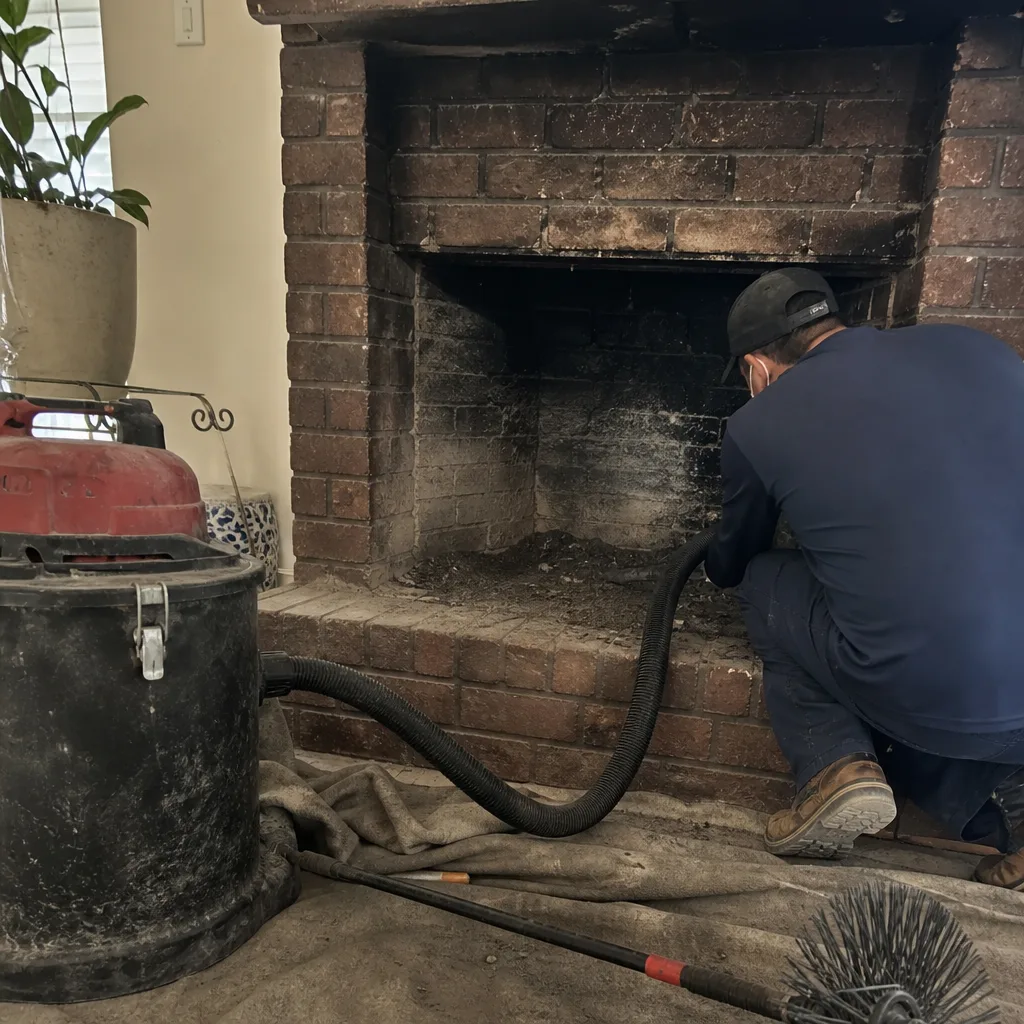 Before
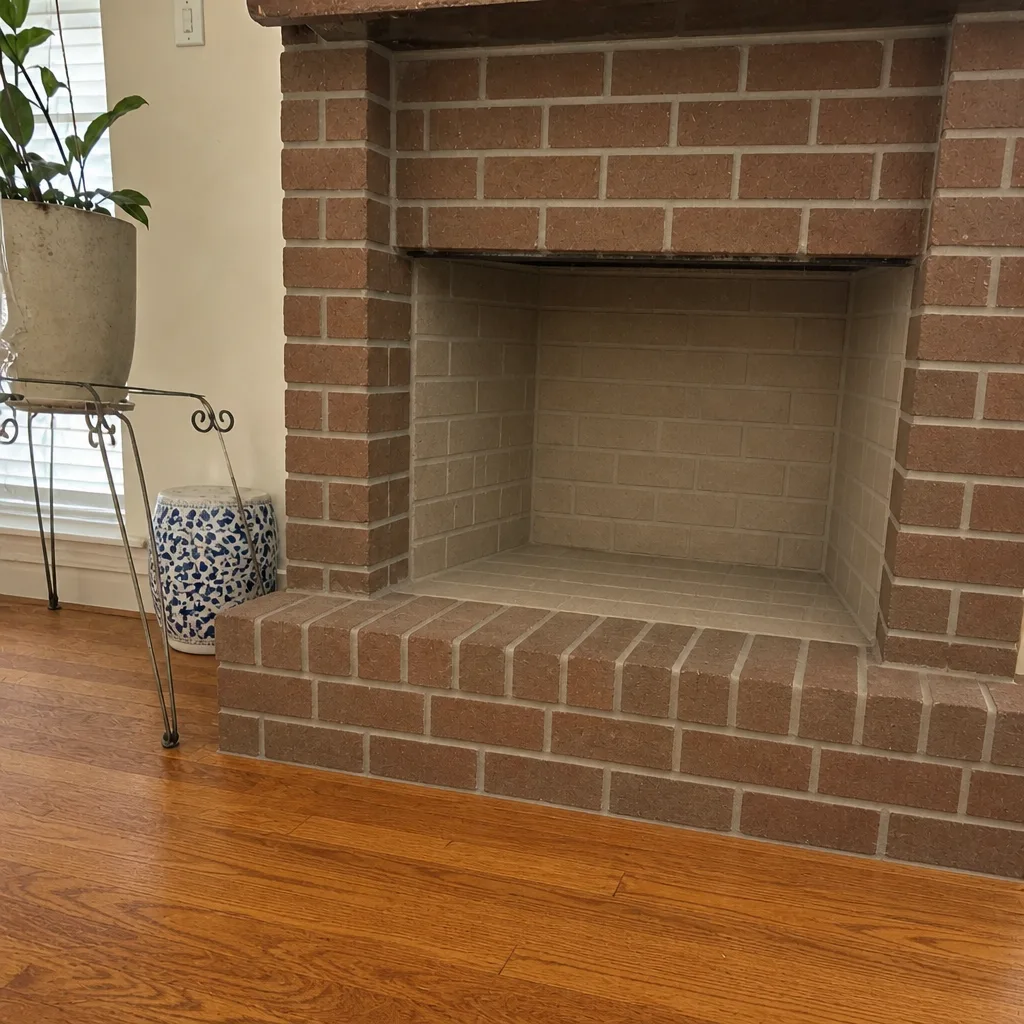 After
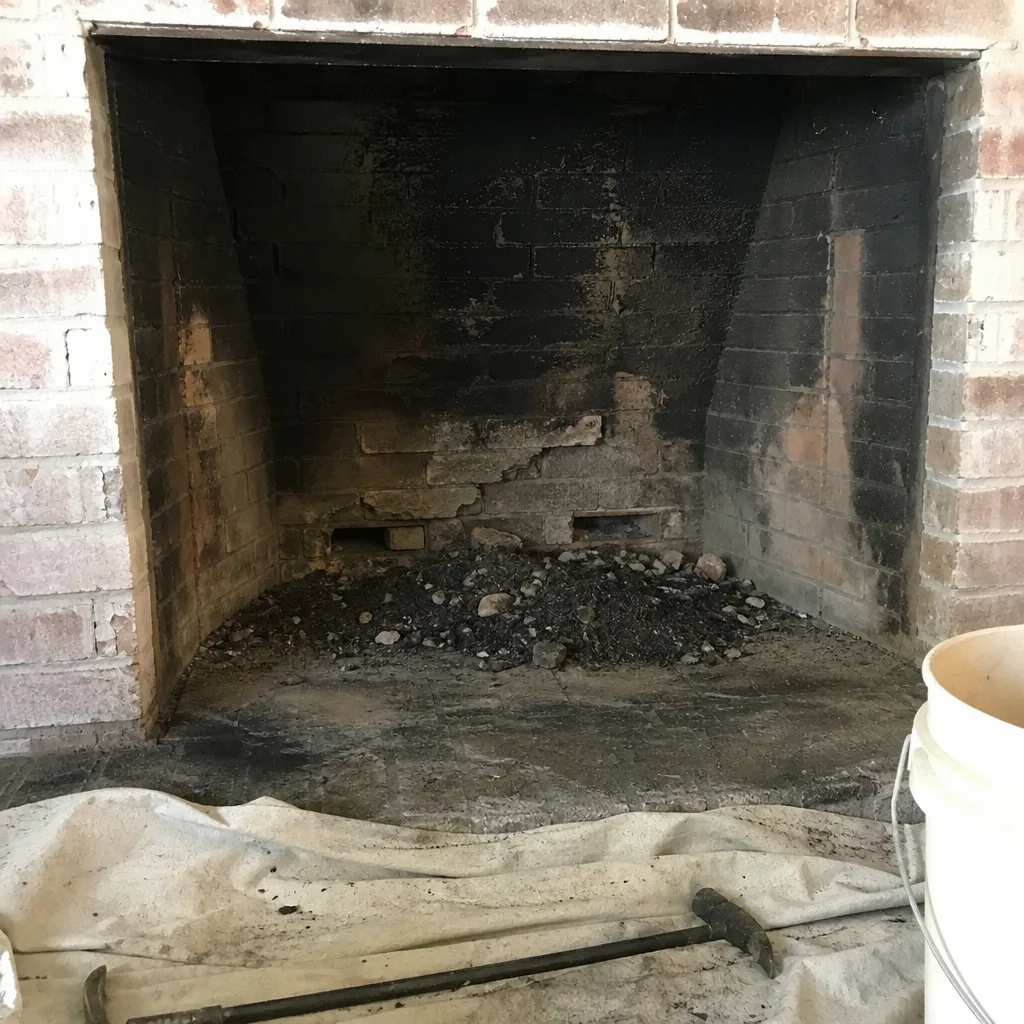 Before
 After
 Before
 After
When to Call a Professional
Call a professional for anything that involves the flue interior, the cap crown, the exterior mortar joints, the damper assembly, or the firebox firebrick. Those are the parts of a chimney where a homeowner check stops being honest and starts being wishful. The specific triggers worth acting on: an annual sweep is more than a year overdue, mortar joints on the exterior stack look pitted or recessed, the cap mesh is blocked or the cap looks tilted, smoke doesn’t draw cleanly, or the firebox shows any damage beyond normal hairline cracks. If you smell creosote when the fireplace is cold, that’s a call.
Chimney Sweep Sharpstown offers free estimates in Sharpstown. Call (833) 991-8956. We answer 24/7. Fast dispatch from 7am to 7pm, Sunday through Friday. Our technicians have up to 14 years of experience with the full set of services: sweep, cap and crown, fireplace repair, chimney repair, and inspection. One company, no second contractor.
Frequently Asked Questions
Once a year for most wood-burning fireplaces in Sharpstown, more often if you burn frequently or see significant creosote buildup at the last inspection. Gas fireplaces with venting typically need inspection rather than a full sweep on an annual basis. If you don’t remember the last sweep, book one before the next fire. Call (833) 991-8956 for an exact quote; estimates are free.
Skipping a year does not automatically mean a chimney fire or a structural failure, but it does mean the annual check that catches small problems early doesn’t happen. The realistic risks are creosote accumulation raising fire risk, a small crack or debris blockage going unnoticed, and storm debris blocking the cap. In our experience, chimneys that go more than two or three years without attention are where expensive repairs accumulate. Call (833) 991-8956 if it’s been over a year.
You can honestly check the general condition of your cap from the ground with binoculars: whether it’s sitting flat, whether the mesh has visible holes, whether it’s obviously tilted. You cannot check the crown or its seal without being on the roof. Anything beyond “the cap is still there and the mesh looks intact” is a professional call. Book an inspection if you’re not certain.
A sweep cleans the flue and firebox; an inspection assesses the condition of the whole system. Most visits combine both, and a proper inspection includes a camera run down the flue and a written report with photos. If a sweep-only company offers an “inspection” without a camera and a report, that’s not a full inspection. Our team does both in one visit.
Not necessarily, and any company telling you otherwise should show you photographic evidence from a camera run down the flue. A damaged clay flue tile doesn’t always mean a full reline is required. HeatShield ceramic flue resurfacing is a proven alternative to full liner replacement when the damage is limited to the interior surface. When a full liner is the right answer, we install DuraFlex systems. Call (833) 991-8956 for an inspection with photo documentation.
Ask the inspector to tell you explicitly which items need attention now and which can wait a season. The clear “now” items are anything affecting fire safety (blocked flue, damaged liner, failed damper seal) and anything where water is actively getting into the structure (failed crown, failed cap seal). Cosmetic brick staining, chalky faces without joint failure, and hairline firebox cracks are typically the “wait” items. We never recommend repair without photo evidence and we say plainly when something can wait.
The Bottom Line
A chimney maintenance checklist works when it tells the truth about which items you can genuinely handle and which need a professional with the right tools. In Sharpstown, that means a five-minute firebox check before each season, ground-level binocular checks of the cap and stack after storms, and an annual sweep and camera inspection. Keep a simple log of every service, the parts replaced, and the findings; it protects you at sale and in an insurance claim. Know the finite lifespans of the damper, cap mesh, crown, and liner so you can plan rather than react. And build from a single company that can sweep, inspect, and repair in one visit, because reports without a path to repair are just paperwork.
Call Chimney Sweep Sharpstown at (833) 991-8956 for a free estimate. We answer 24/7. Fast dispatch from 7am to 7pm, Sunday through Friday. We handle the sweep and the repair with trade-grade parts from DuraFlex, HeatShield, Gelco, Olympia Chimney, Famco, and Copperfield, and we show you the camera evidence before we recommend anything. Visit the Chimney Sweep Sharpstown homepage to see the full scope, or reach out for fireplace repair if the firebox itself needs attention.
Written by the team at Chimney Sweep Sharpstown.