
Last updated November 24, 2026
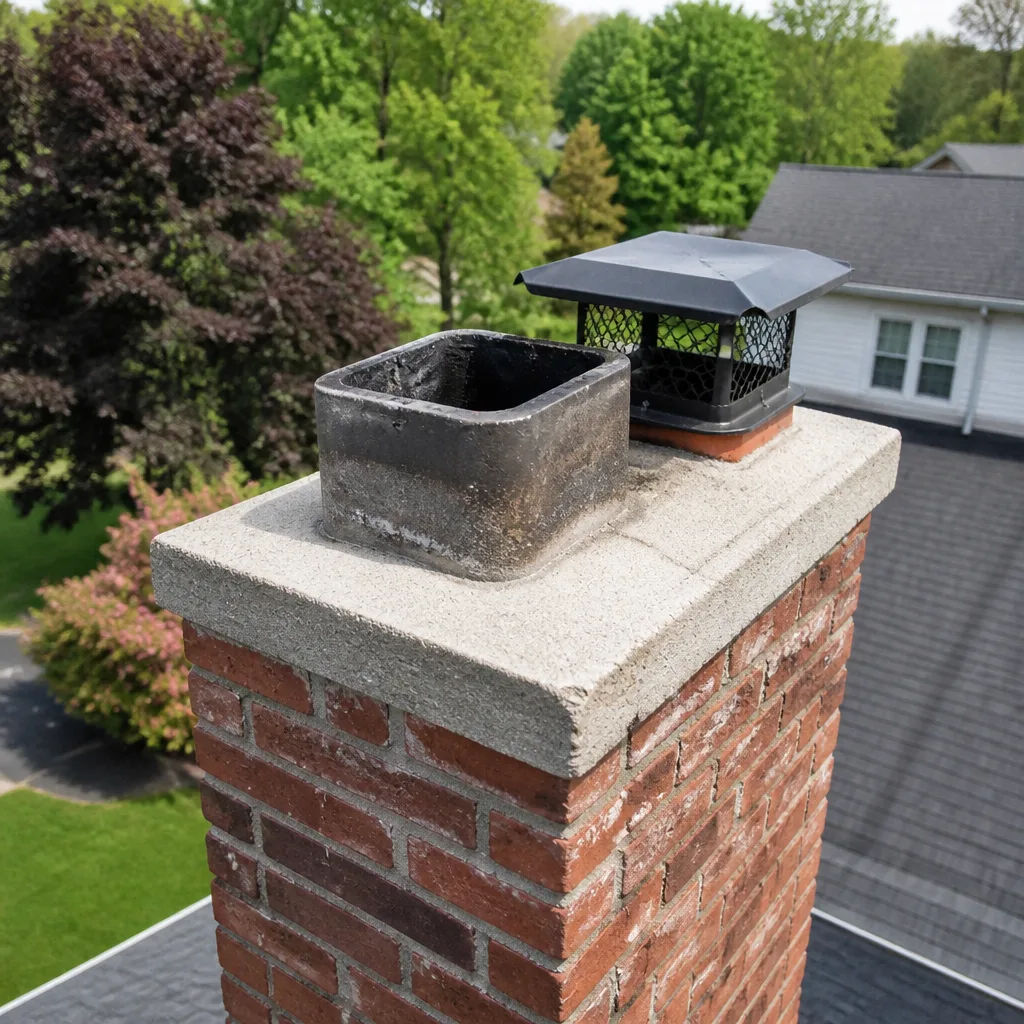 Sweep & inspection
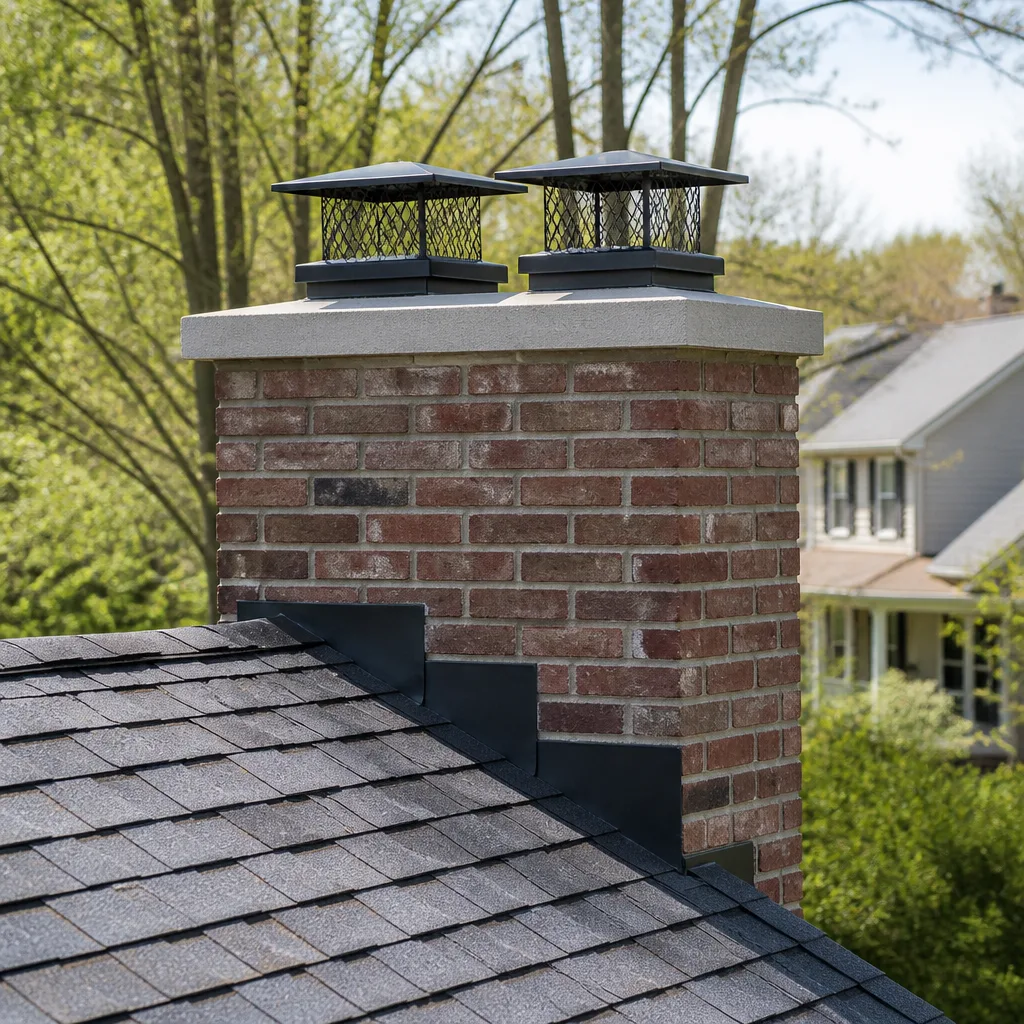 Caps & crowns
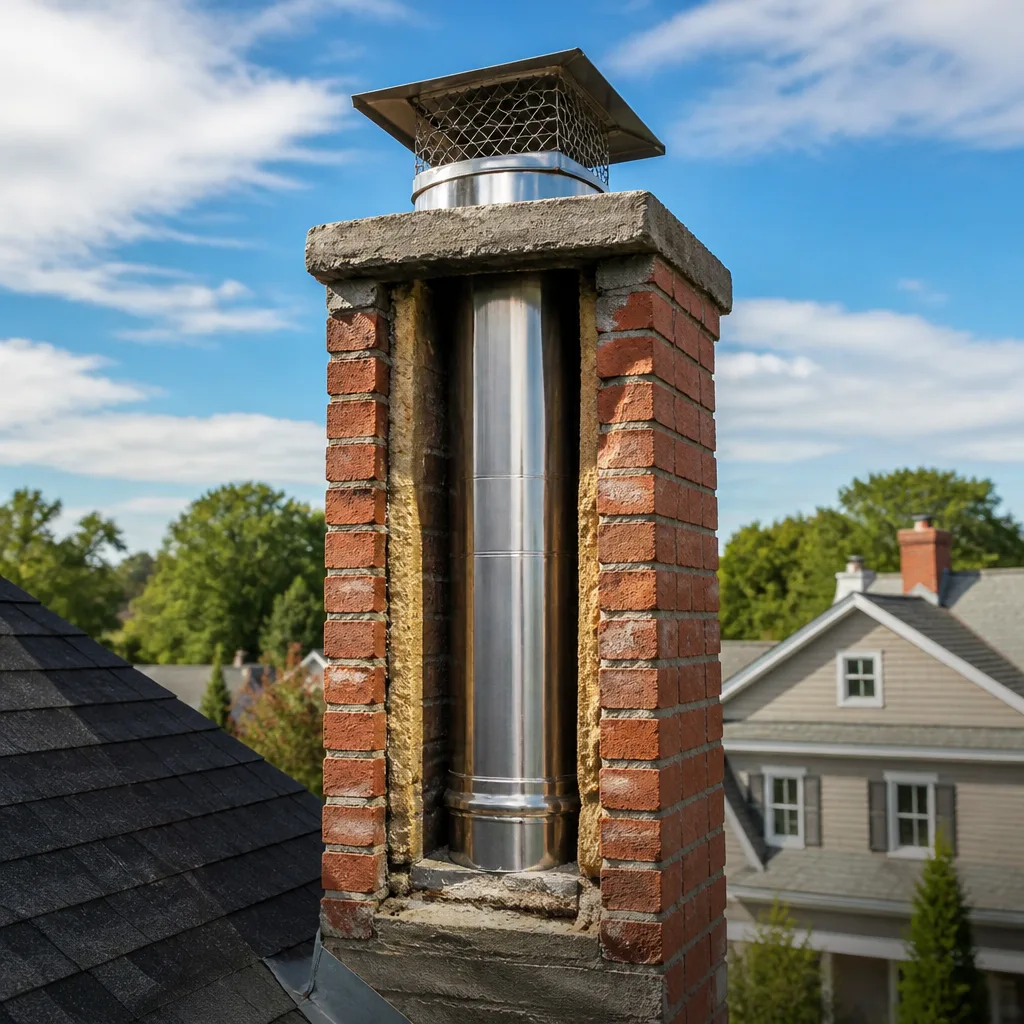 Flue relining
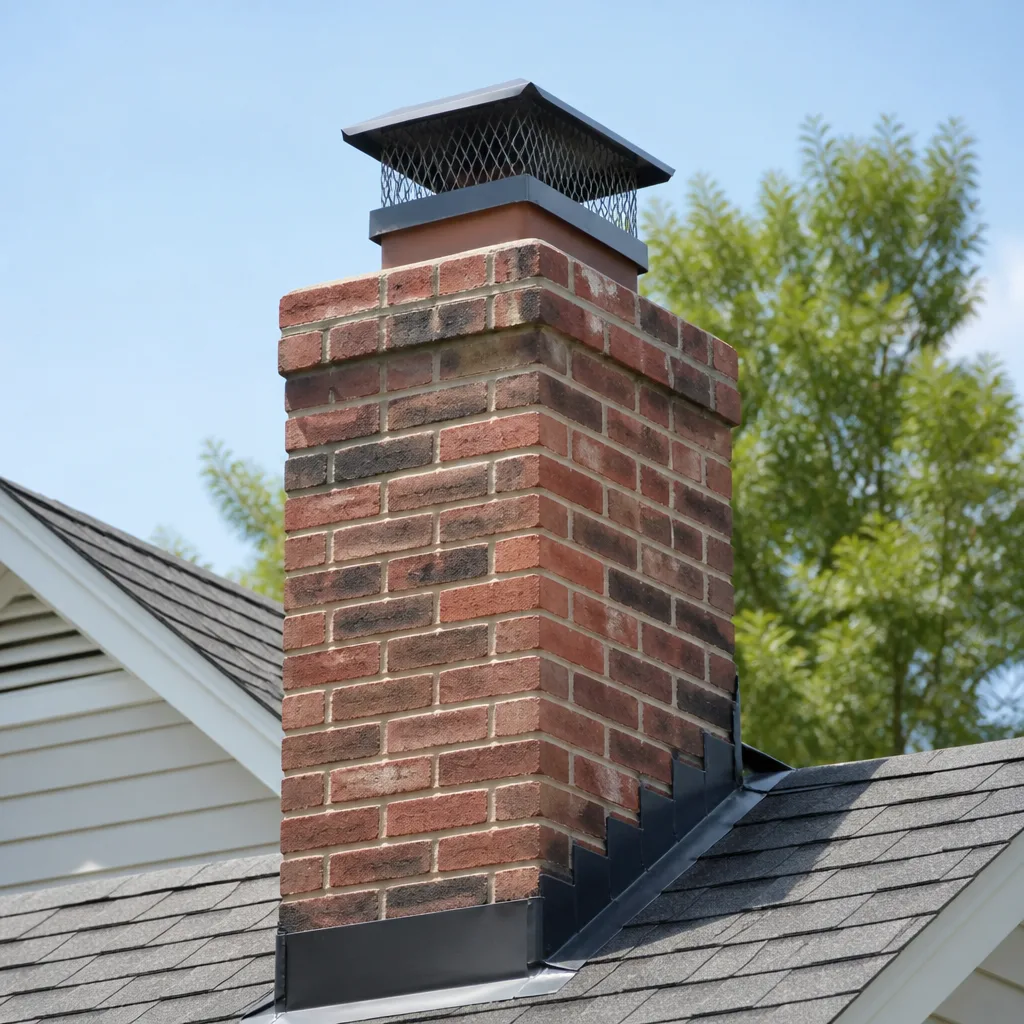 Masonry repair
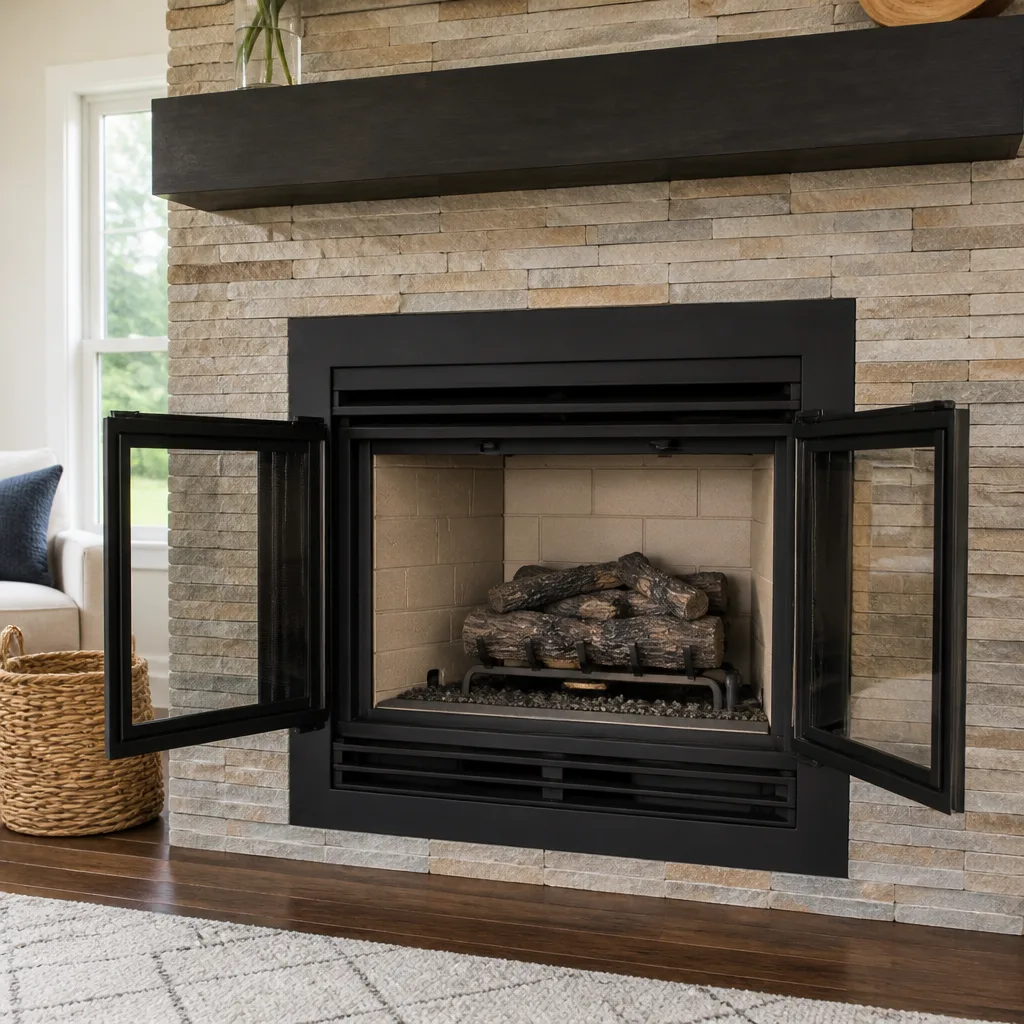 Gas fireplace service
Level 1 sweep and inspection to the NFPA 211 annual standard - flue, crown, cap, and flashing checked and photographed
Chimney sweep logs do not sweep chimneys. They loosen some creosote - which then falls where a brush and vacuum still have to collect it.
Seasonal Chimney Cleaning Care for Sharpstown: Year-Round Homeowner’s Guide
If you clean your chimney every spring because that’s what you read online, you’re cleaning it right before eight months of humidity sit inside a freshly disturbed flue. That’s the wrong time for Sharpstown. The standard chimney calendar was written for places with long, cold winters and dry summers. Houston runs the opposite way: a short, intense burning season followed by a long, sticky off-season when your chimney sits mostly idle. This guide walks through the maintenance rhythm that actually fits Sharpstown, from why late September cleaning beats spring cleaning to what a Gulf Coast storm does to a cap, and the one task worth doing every October no matter what.
Quick Answer
In Sharpstown, the practical time to clean your chimney is late September or early October, right before the burning season starts, not in spring. Cleaning before the humid off-season leaves a freshly disturbed flue exposed to months of moisture, nesting insects and liner degradation. A single annual sweep plus a visual inspection in early fall, a cap check before and after storm season, and attention to how you burn during Houston’s short winter covers almost everything a homeowner needs.
Styles & brands we work with
- Sweep & inspection
- Caps & crowns
- Flue relining
- Masonry repair
- Gas fireplace service
Table of Contents
- Why Fall Cleaning Beats Spring Cleaning in Sharpstown
- What Summer Humidity Does Inside an Uncovered Flue
- Storm Season Prep: Before and After a Tropical Event
- How Houston Burning Habits Create Denser Creosote
- The One October Task You Should Never Skip
- A Year-Round Chimney Calendar for Sharpstown
- What You Can Check Yourself and What You Can’t
- Common Mistakes to Avoid
- When to Call a Professional
Why Fall Cleaning Beats Spring Cleaning in Sharpstown
Most national chimney advice says to sweep in spring, after the burning season ends. That advice assumes the chimney will then sit dry for months. In Sharpstown, spring cleaning means you sweep out soot and creosote in March or April, and then that flue sits through May, June, July, August and September in Gulf Coast humidity. Anything the brush loosened, plus any residue left on the walls, is now exposed to the wettest stretch of the year with no fire to dry it out.
A late September or early October sweep flips that. You clean right before you need the fireplace, the flue goes into the burning season clean, and the humidity months pass with the chimney in whatever state it was already in, not a freshly scrubbed one. If a sweep turns up a problem, you also have time to fix it before the first cool front, instead of discovering it in December when you want a fire.
Why timing matters more than frequency
A once-a-year sweep is usually enough for a Sharpstown homeowner who burns occasionally, which is most of us. The question isn’t how often as much as when. Cleaning at the wrong end of the year means the flue spends its longest idle stretch in its most vulnerable condition. Cleaning at the right end means the idle stretch changes nothing.
- Spring sweep: flue sits exposed to summer humidity right after being disturbed.
- Fall sweep: flue is clean going into burning season, and any needed repair gets done before you light up.
- Two sweeps a year: rarely necessary in Sharpstown unless you burn heavily or have a known draft or creosote problem.
We schedule a lot of Sharpstown cleanings in that September-to-October window for exactly this reason. It’s not a marketing calendar; it’s the order the seasons actually run here. For the full scope of what a proper cleaning involves, see our chimney sweep page.
What Summer Humidity Does Inside an Uncovered Flue
An uncapped or poorly capped flue in Sharpstown spends the summer as a damp, dark, sheltered tube. That combination does three things to a chimney, and none of them are visible from the fireplace.
Moisture and the liner
Humid air moves through an open flue all summer. Where it meets a cooler surface, it condenses. Clay tile liners absorb some of that moisture and, over repeated seasons, can spall and crack. A stainless liner handles moisture far better, which is one reason a properly installed chimney cap & crown setup matters as much as the liner itself. Capping the flue doesn’t just keep rain out; it keeps the daily humidity cycle from working on the inside of the chimney.
Nesting and pests
Birds, squirrels and wasps treat an open flue as prime real estate, and Sharpstown’s long warm season gives them plenty of time to settle in. A nest near the top of the flue restricts draft and, worse, is combustible. A cap with a proper spark screen closes that door. We install Gelco and Famco caps for exactly this reason: they’re built to sit through Gulf Coast weather and keep the flue closed to everything but exhaust.
Odor
That faint smoky, sour smell some homeowners notice in late summer is usually moisture reactivating old creosote residue. A fall sweep clears it, and a good cap helps prevent it from coming back. If the smell shows up every August, it’s a signal the chimney has been sitting wet.
Storm Season Prep: Before and After a Tropical Event
Sharpstown sits where a tropical system can bring wind-driven rain sideways into places rain doesn’t normally go. Your chimney system takes that on the roof, exposed. A few checks before and after a named storm save a lot of damage.
Before the storm
- Look at the cap. From the ground with binoculars, confirm the cap is seated and the screen is intact. A loose cap becomes a projectile in high wind.
- Check the crown. The concrete crown at the top of the chimney sheds water away from the flue. Any visible crack wider than a hairline gets worse with wind-driven rain. Have it looked at before the storm, not after.
- Clear the roof of loose debris near the chimney so it doesn’t become wind-blown material against the stack.
- Close the damper to reduce the chance of wind-driven rain reaching the firebox.
After the storm
- Look for missing or displaced caps and spark screens. If the cap is gone, the flue is open, and that’s a call-us-now situation before the next rain.
- Check for water staining on the ceiling or chimney breast inside the house. That points to a crown or flashing problem, not just a wet cap.
- Look at the firebox and damper area for debris that came down the flue.
- Wait on the first fire until the chimney has been looked at if anything seems off. A storm can crack a crown or shift a cap without any obvious sign from the ground.
Storm damage is one of the most common reasons a Sharpstown homeowner calls us for chimney repair in the fall. Catching it before the burning season means it gets fixed on your schedule. Catching it after means it gets fixed on the chimney’s.
How Houston Burning Habits Create Denser Creosote
Here’s a fact that surprises a lot of homeowners: a fireplace used a handful of times a year in Sharpstown can build creosote faster per fire than a fireplace used every night up north. The reason is how we burn, not how much.
The cold-start problem
Most Houston fires are occasional. You light a fire on the one cool weekend, enjoy it for an evening, and let it go out. Every one of those fires is a cold start: a flue that’s at outdoor temperature, a fire that takes a while to heat the chimney and establish strong draft, and a smoldering phase at the end when the fire dies down. Smoldering, low-temperature combustion is what produces creosote. A fireplace that runs continuously stays hot and drafts well; an occasional fireplace spends a bigger share of its burning time in the smoldering range.
Hot fires, quickly
The other half of the pattern is that when we do burn in Sharpstown, we tend to burn hot and fast: a big load of wood, a bright fire, done in a few hours. That’s fine for the firebox, but a fast, hot burn followed by a long idle period is harder on the flue than a steady, moderate burn. It’s also why an annual inspection matters even when you don’t think you’ve burned much.
- Burn dry, seasoned wood. Wet wood smolders and lays down creosote.
- Don’t overload the firebox trying to get a quick, intense fire. Build it up gradually.
- Let the fire burn down cleanly rather than damping it early to save wood.
- Get a sweep before the season so the first fire of the year starts in a clean flue.
Occasional burning isn’t a reason to skip maintenance. In our experience it’s a reason to keep up with it, because the fires you do have deposit more per fire than a northern fireplace would. Level II-style inspections, which we perform alongside cleaning, catch what a visual check misses. Our chimney inspection page explains what that involves.
The One October Task You Should Never Skip
If you do nothing else all year, do this: get a visual inspection of your chimney in October before the first fire. Not a full cleaning, necessarily. A look. It takes a few minutes and it catches the things that turn into expensive repairs or a real hazard if left to the middle of winter.
What an October check catches
- A cap that came loose over the summer and has been letting rain in for weeks.
- Cracks in the crown that opened up during the hot, dry stretch and will get worse with the first fall rain.
- Nesting debris from the warm season, sitting in the flue ready to restrict draft.
- Creosote buildup from last winter that’s sat all summer and needs to come out before you burn again.
- A damper that’s stuck or a firebox that’s cracked.
Every one of those is cheaper and easier to deal with in October than in December. And an October inspection sets up the rest of the year: you know what shape the chimney is in, you know what needs doing, and you can get it done before you want a fire. That’s the whole idea behind fall cleaning. For the full Chimney Sweep Sharpstown service picture, including how a sweep and inspection combine, see our main page.
A Year-Round Chimney Calendar for Sharpstown
Here’s the maintenance rhythm that fits Sharpstown’s actual climate, laid out month by month. It’s not the northern calendar you’ll find on most national sites; it’s built around a short burning season and a long humid off-season.
- Late September to early October: annual sweep and inspection. This is the anchor of the year. Get the flue cleaned and looked at before the first cool front.
- October to November: address any findings. Repair a cracked crown, replace a bad cap with a Gelco or Famco unit, reline a damaged flue with DuraFlex, or resurface a liner with HeatShield if that’s what the inspection calls for. Do it before you light the first fire, not after.
- November through February: burning season. Burn dry, seasoned wood. Don’t overload the firebox. Watch for any change in draft or smell.
- March: end-of-season check. A quick look after the last fire of the year, especially if it was a heavy season. This is a check, not the main cleaning.
- April through August: off-season watch. Check the cap and crown from the ground after any storm. Notice any odor. Keep the flue closed to pests.
- Before and after a named tropical system: storm checks. Cap seated, crown intact, no water staining indoors.
- Back to late September: repeat. The cycle closes and starts again with the fall sweep.
A few Sharpstown notes on this calendar. The burning season here is short; some years it barely runs six weeks. That means the off-season watch matters more than the burning season itself. It also means a single well-timed fall service typically covers the whole year. If you burn frequently through the winter or have a known creosote issue, a mid-season look is worth it. For most homes in Sharpstown, one fall service plus a few ground-level storm checks is the whole job.
What You Can Check Yourself and What You Can’t
Some chimney care is safe for a homeowner and worth doing. Some isn’t, and it’s important to know the line. The dividing principle is this: you can look and touch from the ground or from the firebox, but anything above the damper, and anything involving the flue interior, belongs to a trained professional.
Safe for you
- Look at the cap and crown from the ground with binoculars after a storm. Spot a missing cap or a visible crown crack.
- Check the firebox for cracks and the damper for smooth operation.
- Look for water staining on the ceiling or chimney breast inside the house.
- Notice changes in draft or smell and write them down to tell the sweep.
Not safe for you
Anything that means getting on the roof, opening up the flue, or working around the firebox with tools. Chimney work involves heights, and a damaged flue or firebox is a hazard to work on without training. This is the same reason we don’t hand out step-by-step DIY instructions for flue work: it looks simple from the ground and isn’t. A trained technician sees what a homeowner can’t, and a proper inspection with a camera catches problems that a look down the flue from the damper will miss. If your October check turns up anything, that’s the point to call.
Common Mistakes to Avoid
- Cleaning in spring because that’s what you read online. Spring cleaning leaves the flue exposed to Sharpstown’s eight months of humidity right after being disturbed. Fall cleaning is the better timing here.
- Leaving the flue uncapped through summer. An open flue is a damp tube all summer: condensation on the liner, nesting pests, and odor. A Gelco or Famco cap with a spark screen closes it for the off-season.
- Skipping the October check because you don’t think you burned much. Occasional fires produce denser creosote per fire than steady use. A light burning year is not a pass on the check.
- Burning wet or green wood to save money on seasoned firewood. Wet wood smolders, and smoldering lays down creosote. It costs more in maintenance than it saves in wood.
- Damping down the fire early to make it last. Slowing combustion to stretch a fire is exactly how you build a dense creosote layer. Let the fire burn down cleanly instead.
- Ignoring a storm-damaged cap because “it still works.” A displaced or damaged cap lets rain and pests in; the damage compounds over the months until it becomes a liner problem.
- Getting a report from a sweep and then having no one to do the repair. A sweep-only company hands you a list and sends you looking for a mason. We handle the sweep and whatever it turns up, from the cap to the firebox, under one job.
When to Call a Professional
Call us if your October inspection turns up a cracked crown, a missing cap, water staining inside the house, or a firebox issue. Call if your fire smokes back into the room, if the chimney smells sour in late summer, or if you haven’t had the flue swept in more than a year and you plan to burn. Call after any named storm if you can’t confirm the cap is intact. And call if you’ve been told you need a liner or masonry repair but have no way to verify it: we base recommendations on camera evidence you can see, and we tell you plainly when work can wait.
Chimney Sweep Sharpstown offers free estimates in Sharpstown. Call (833) 991-8956. We answer 24/7. Fast dispatch from 7am to 7pm, Sunday through Friday. The local pro is licensed and insured as the state requires, and the estimate sets the final price before any work starts.
See the difference
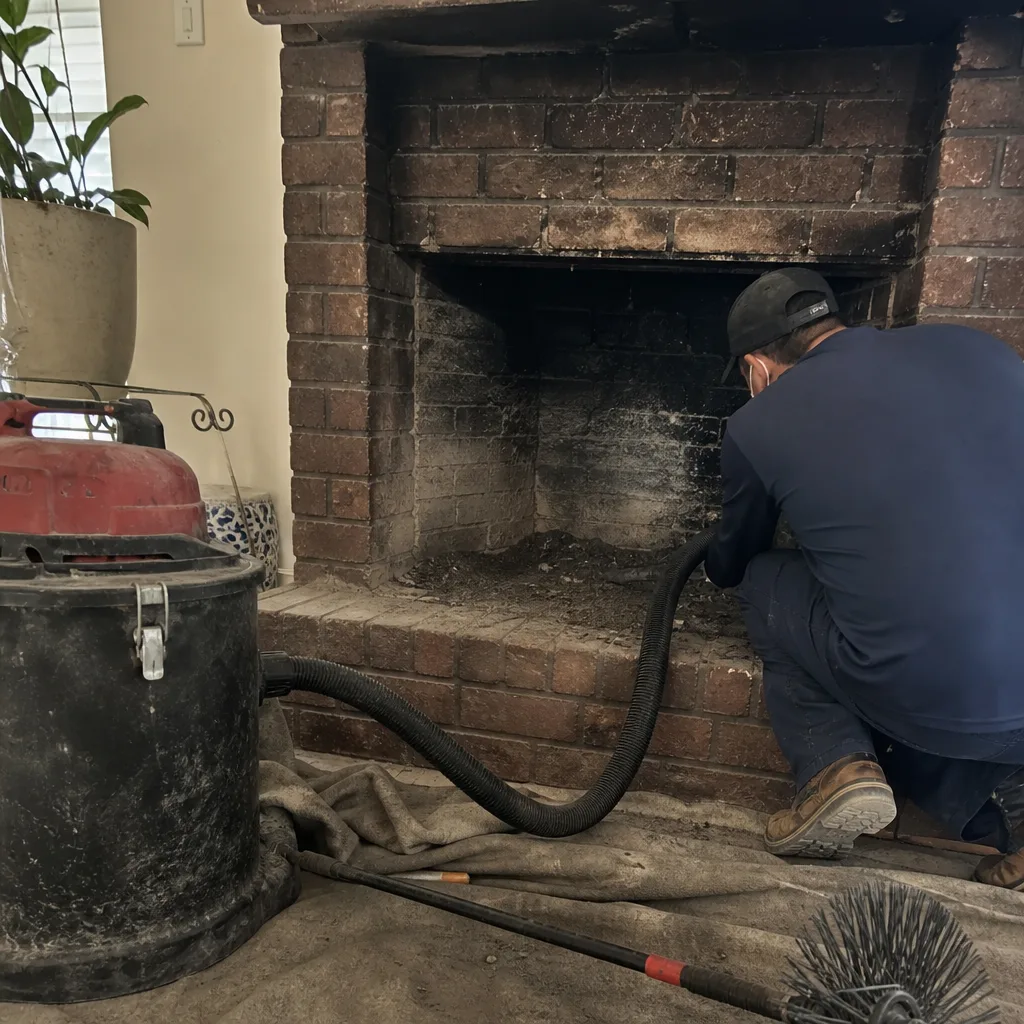 Before
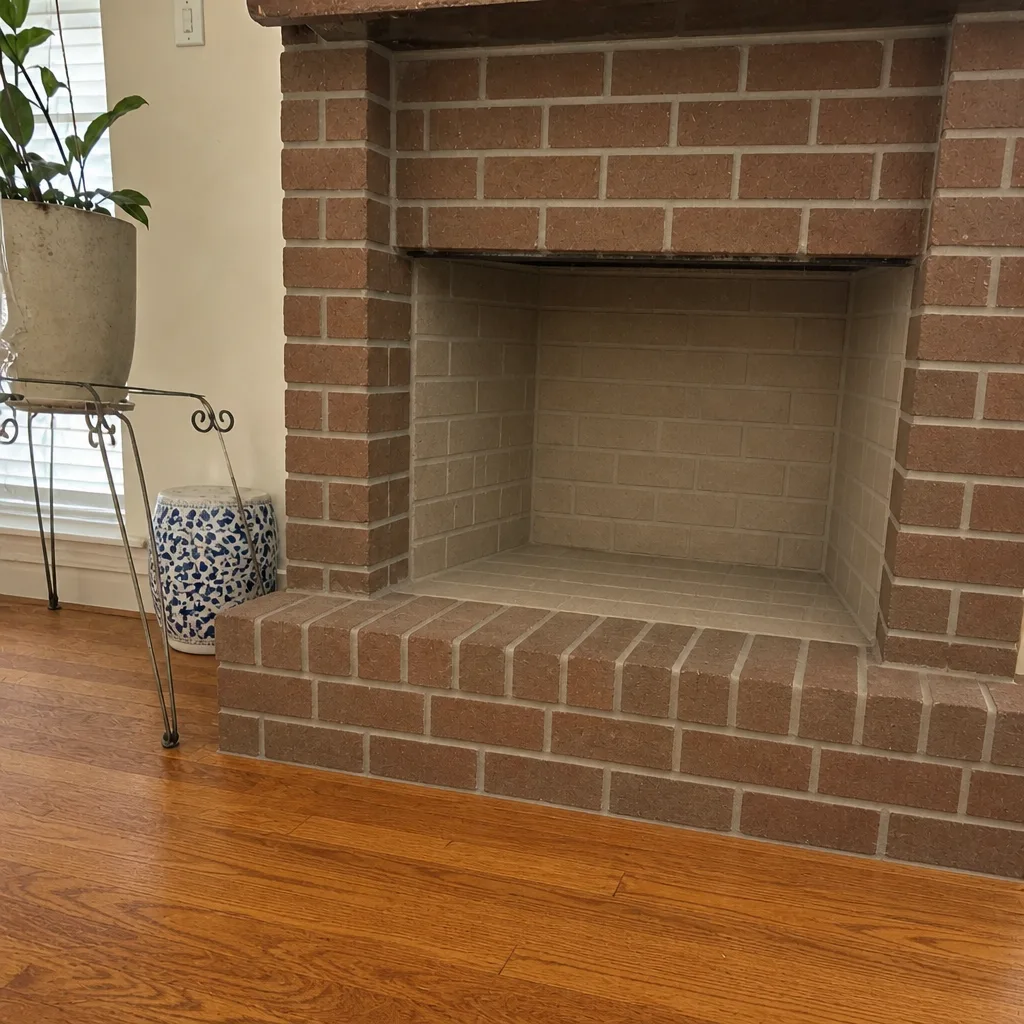 After
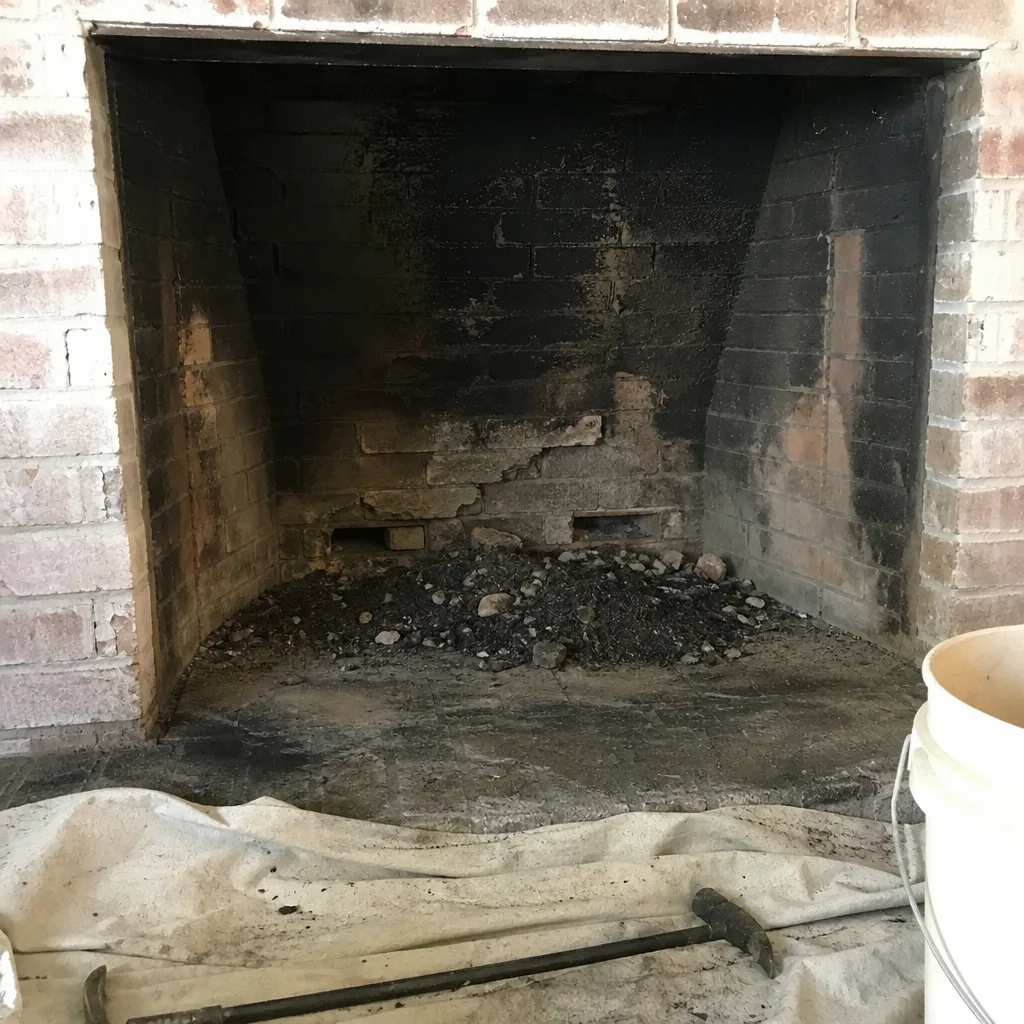 Before
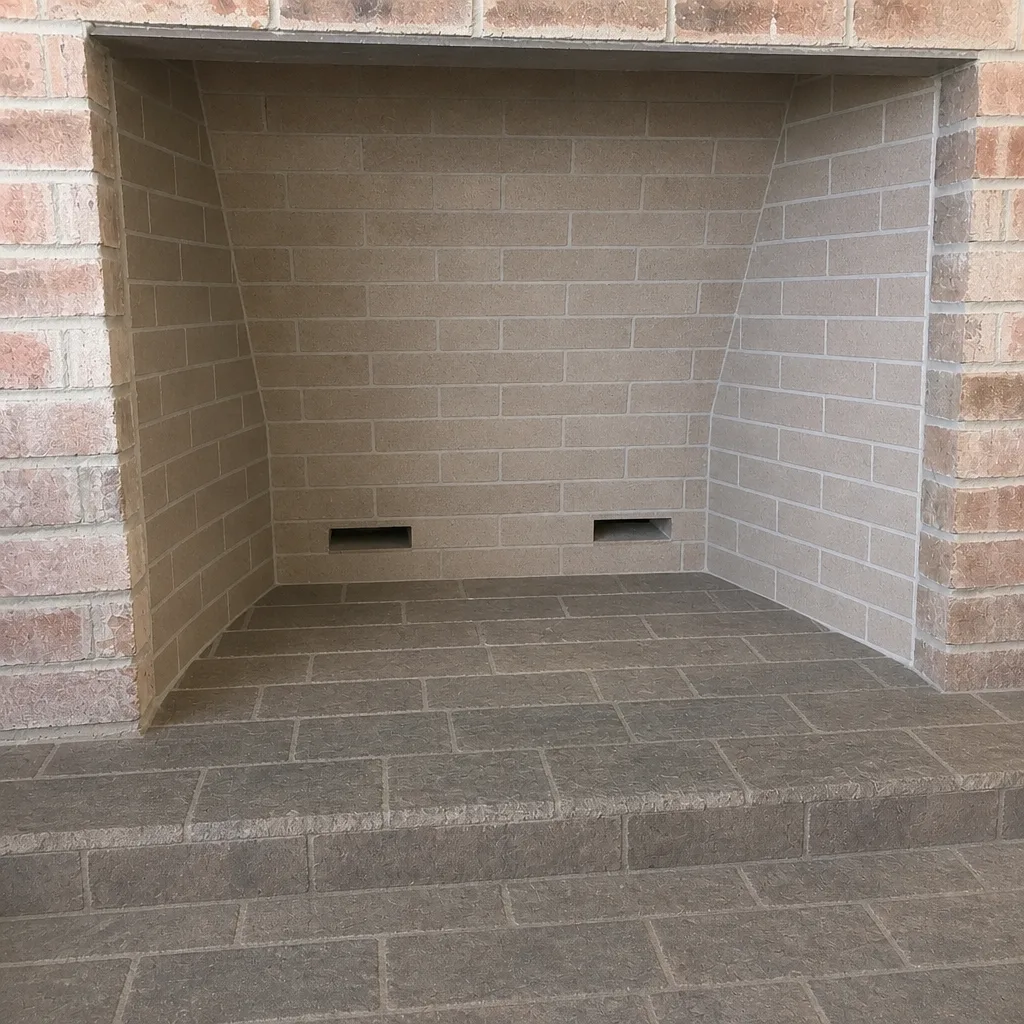 After
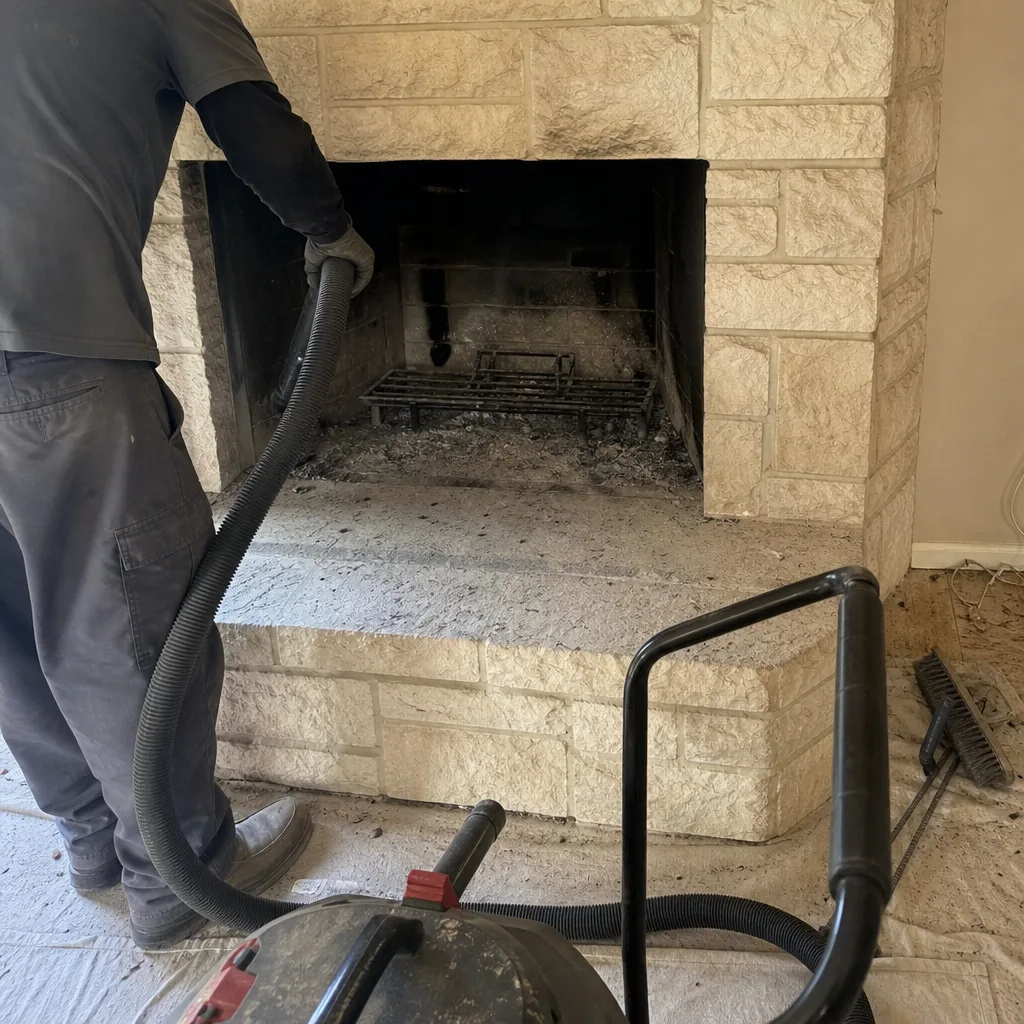 Before
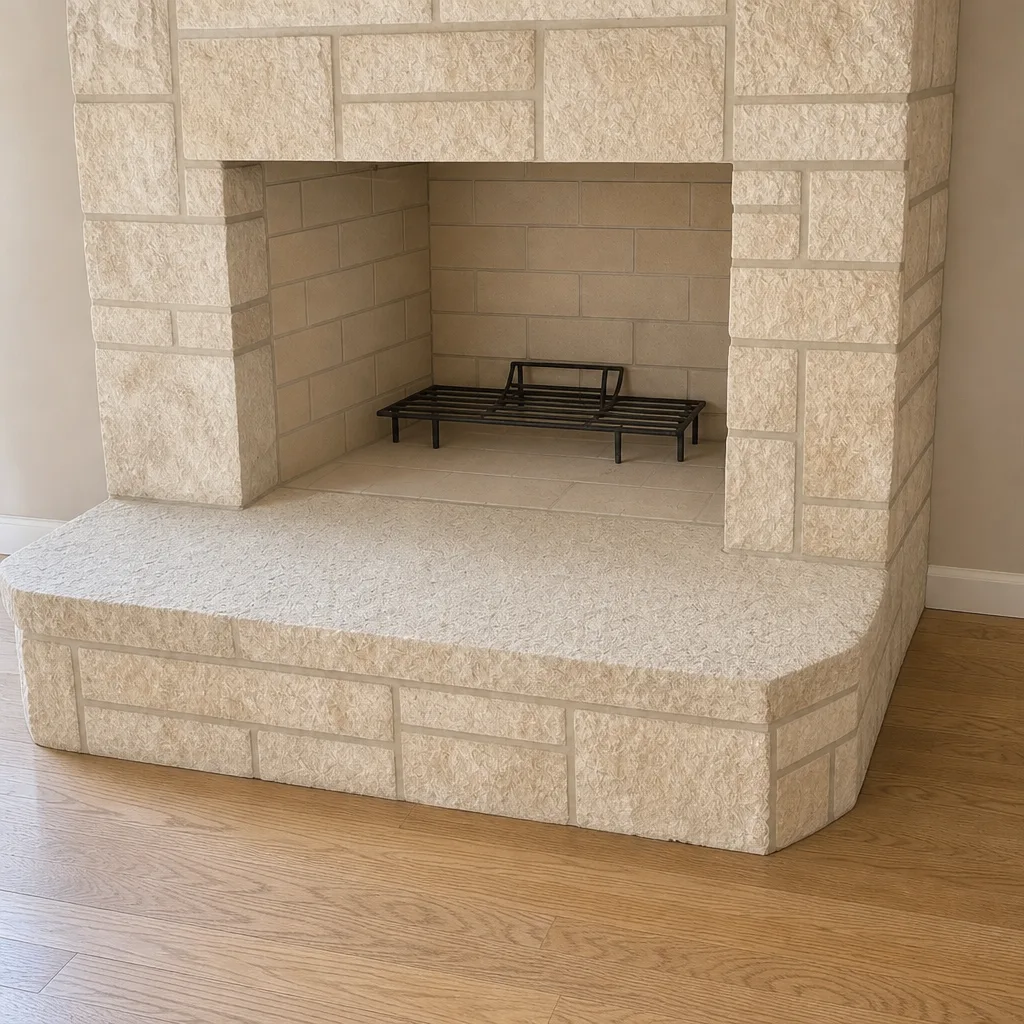 After
Frequently Asked Questions
Once a year is usually enough for a typical Sharpstown home, timed for late September or early October. The frequency matters less than the timing: a fall sweep puts a clean flue into the burning season and leaves the humid off-season alone. If you burn heavily or have a known creosote problem, a mid-season check is worth adding. Call (833) 991-8956 for an exact quote; estimates are free.
Because spring cleaning leaves a freshly disturbed flue exposed to the wettest, most humid stretch of the year. Fall cleaning puts a clean flue into the burning season, right when you need it, and gives you time to fix anything the inspection turns up before the first cool front. The national “clean in spring” advice was written for cold, dry climates and doesn’t fit Houston’s rhythm. Call (833) 991-8956 and we’ll book you into the fall window.
Not every damaged liner needs replacing. HeatShield ceramic resurfacing is a proven alternative to full liner replacement for certain kinds of liner wear, applied by a trained technician and backed by the manufacturer’s product warranty. When a full reline is the right call, we install DuraFlex flexible liner systems. Either way, the recommendation comes from camera evidence you can see for yourself, not a guess. Call (833) 991-8956 for a free estimate.
You may go into the burning season with a loose cap, a cracked crown or nesting debris in the flue, and not know it until the first fire behaves badly or a repair gets more expensive. Skipping a year isn’t automatically a hazard, but it removes the chance to fix a small problem before it grows. A quick October check is cheap insurance against a December surprise. Call (833) 991-8956 to schedule one.
Yes, in three ways: moisture condenses on the liner over months of humidity, pests nest in the open flue, and old creosote residue reactivates and smells. A cap with a proper spark screen closes all three off. We install Gelco and Famco caps built for Gulf Coast weather. Call (833) 991-8956 for a free estimate on capping your flue.
Look from the ground for a missing or displaced cap and any visible crown cracks, and check inside for water staining on the ceiling or chimney breast. If the cap is gone, the flue is open and needs attention before the next rain. Anything above that belongs to a trained technician, not a roof climb. Call (833) 991-8956 after a storm and we’ll take a look. We answer 24/7, with fast dispatch from 7am to 7pm, Sunday through Friday.
The Bottom Line
Sharpstown’s climate inverts the standard chimney calendar. Clean in late September or early October, not in spring, so the flue goes into the burning season clean and the humid off-season passes without a freshly disturbed interior. Cap the flue so summer humidity, pests and nesting stay out. Check the cap and crown before and after storm season. Burn dry wood, don’t overload the firebox, and don’t damp a fire early. And get that one October inspection every year no matter what. From fireplace repair to a full reline, one team handles the sweep and whatever it turns up. Call (833) 991-8956. The estimate is free, the price is set before work starts, and nothing is recommended without camera evidence you can see.
Written by the team at Chimney Sweep Sharpstown.