
Last updated November 24, 2026
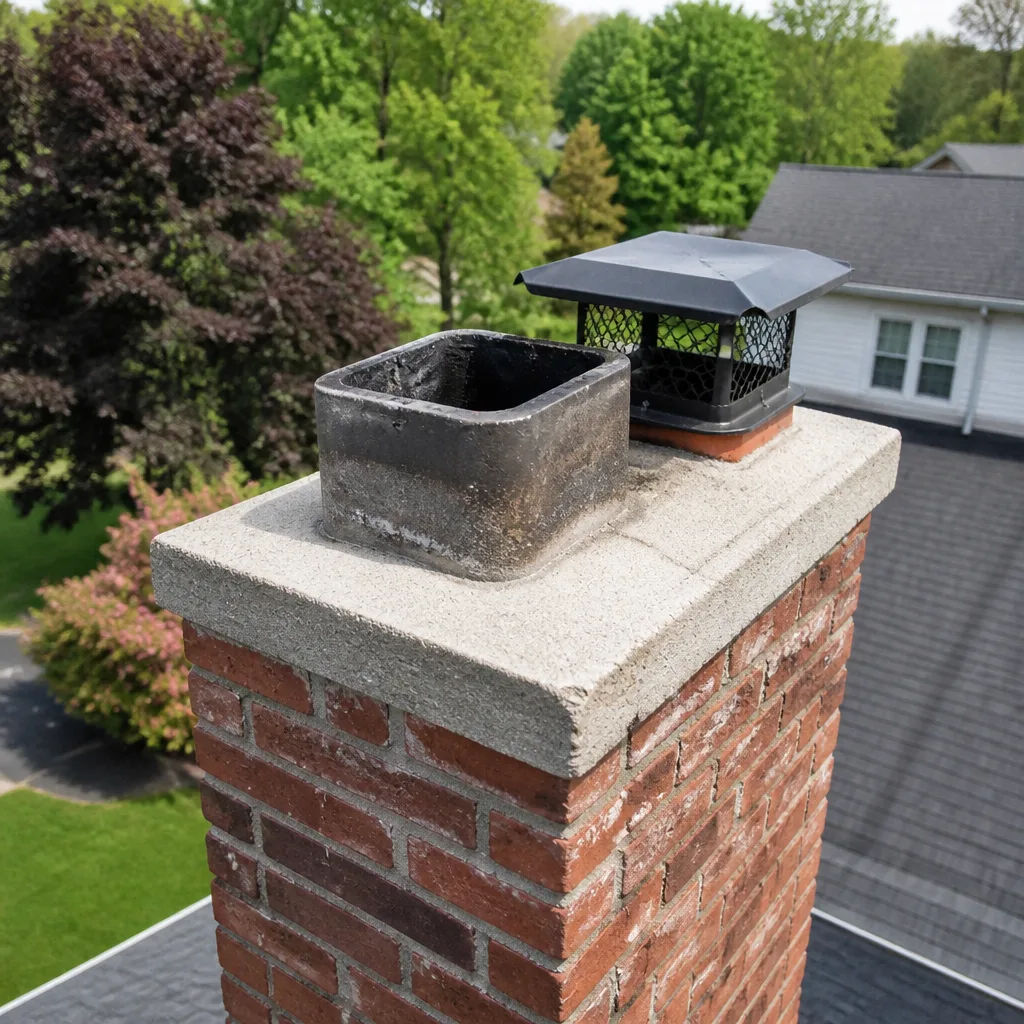 Sweep & inspection
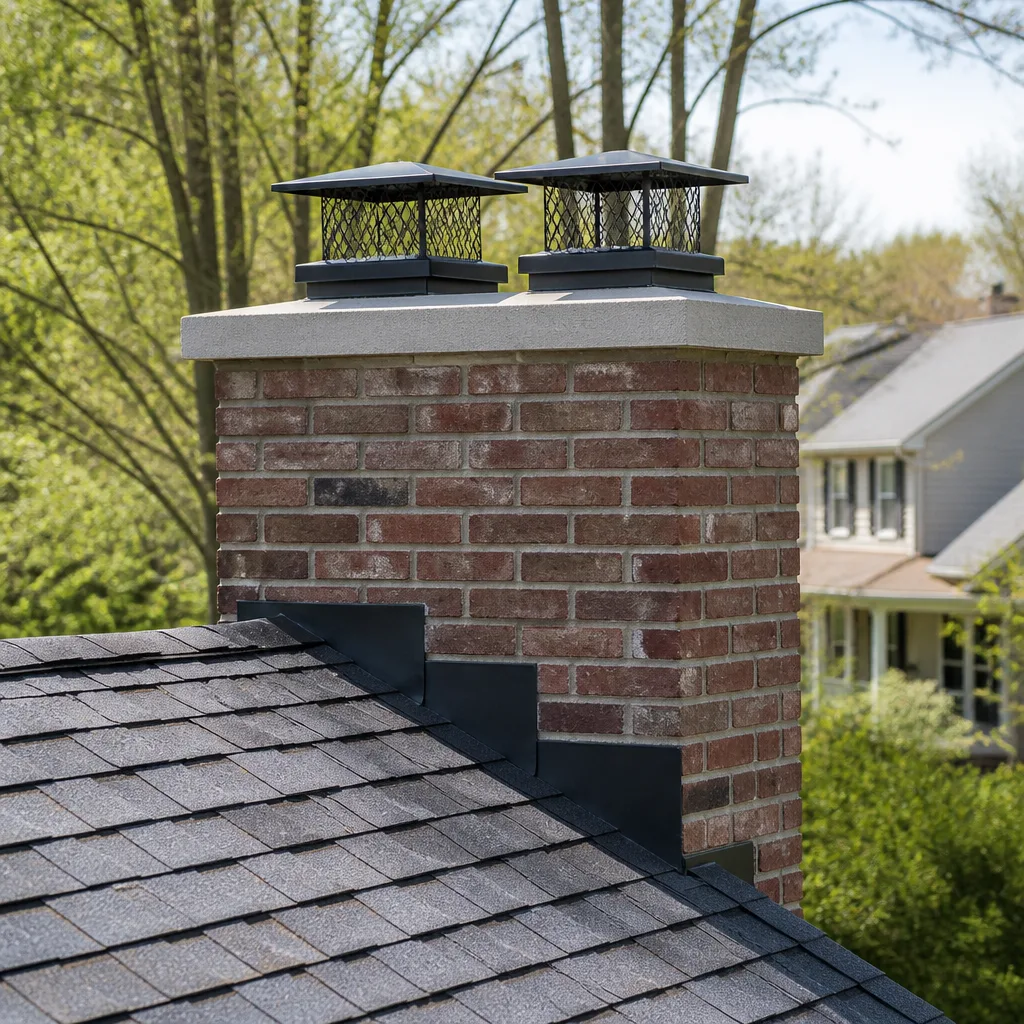 Caps & crowns
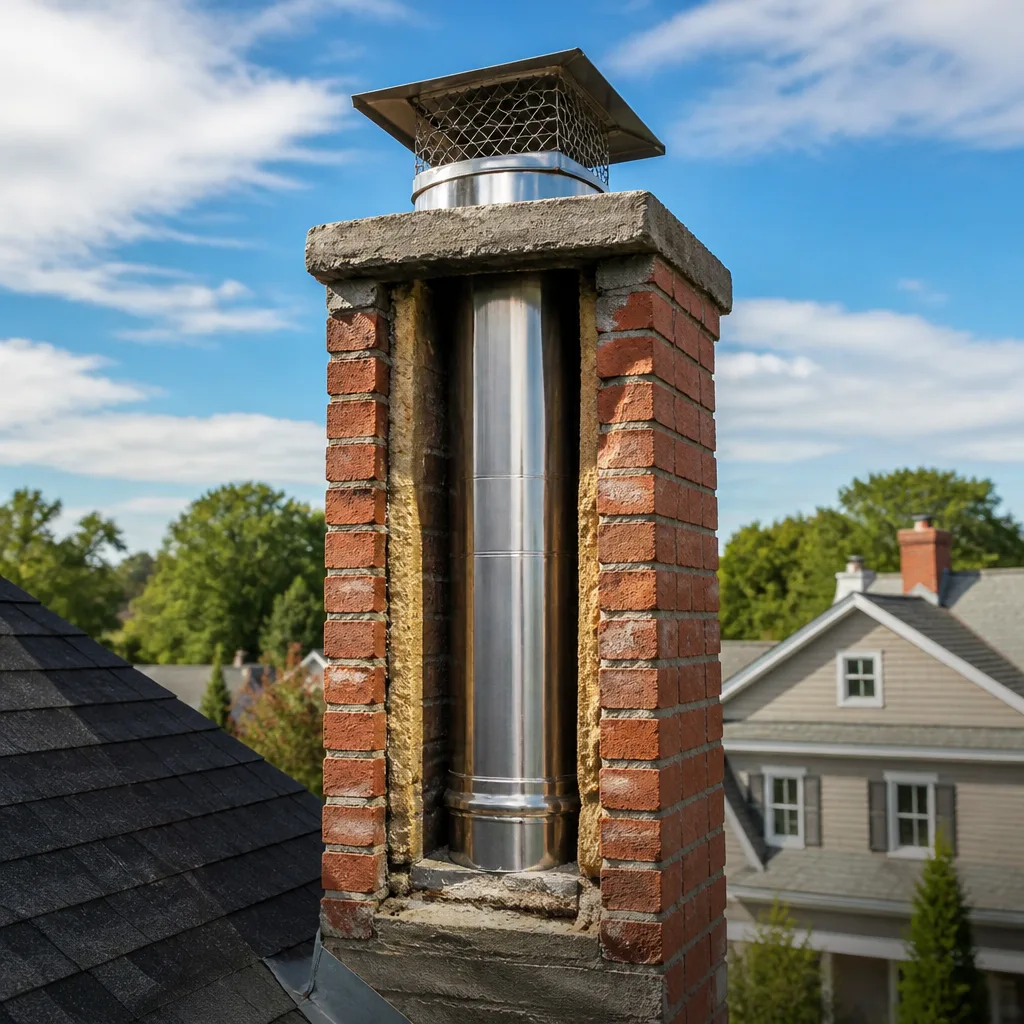 Flue relining
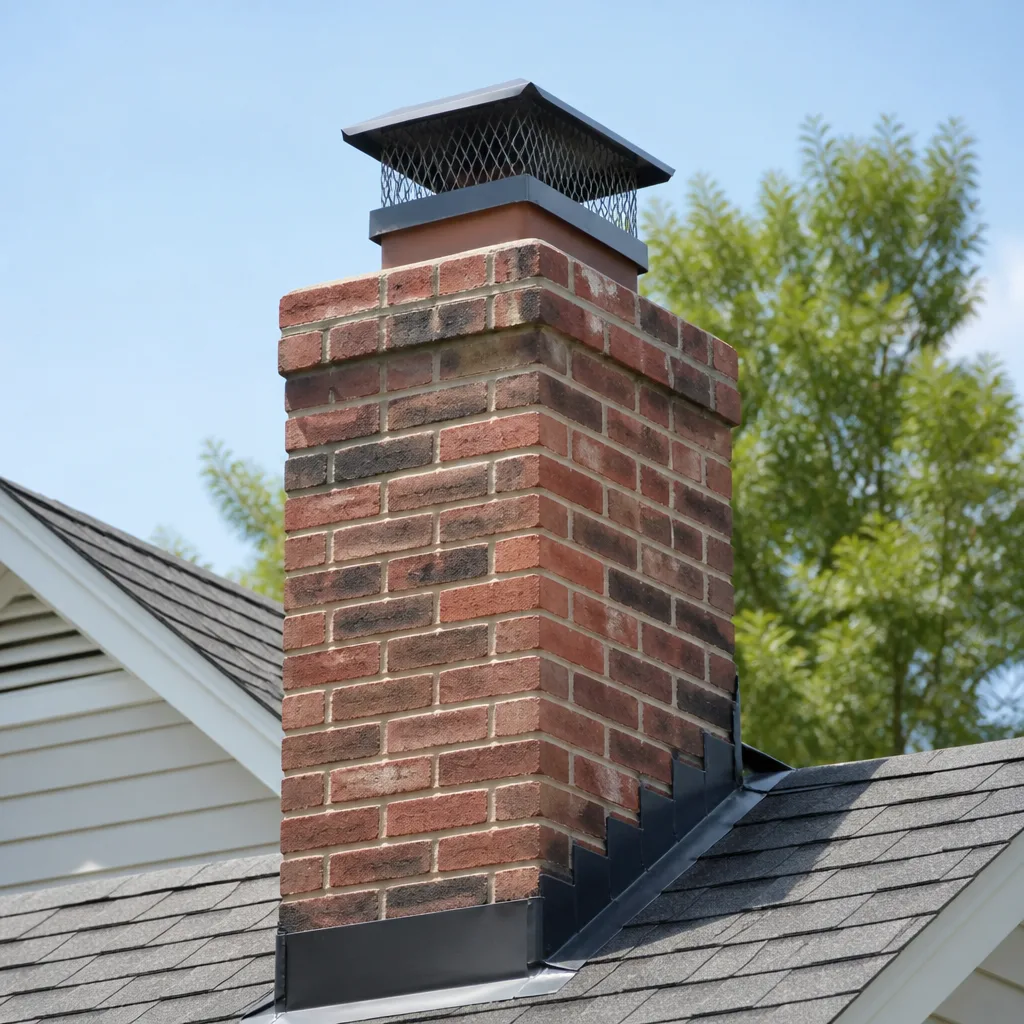 Masonry repair
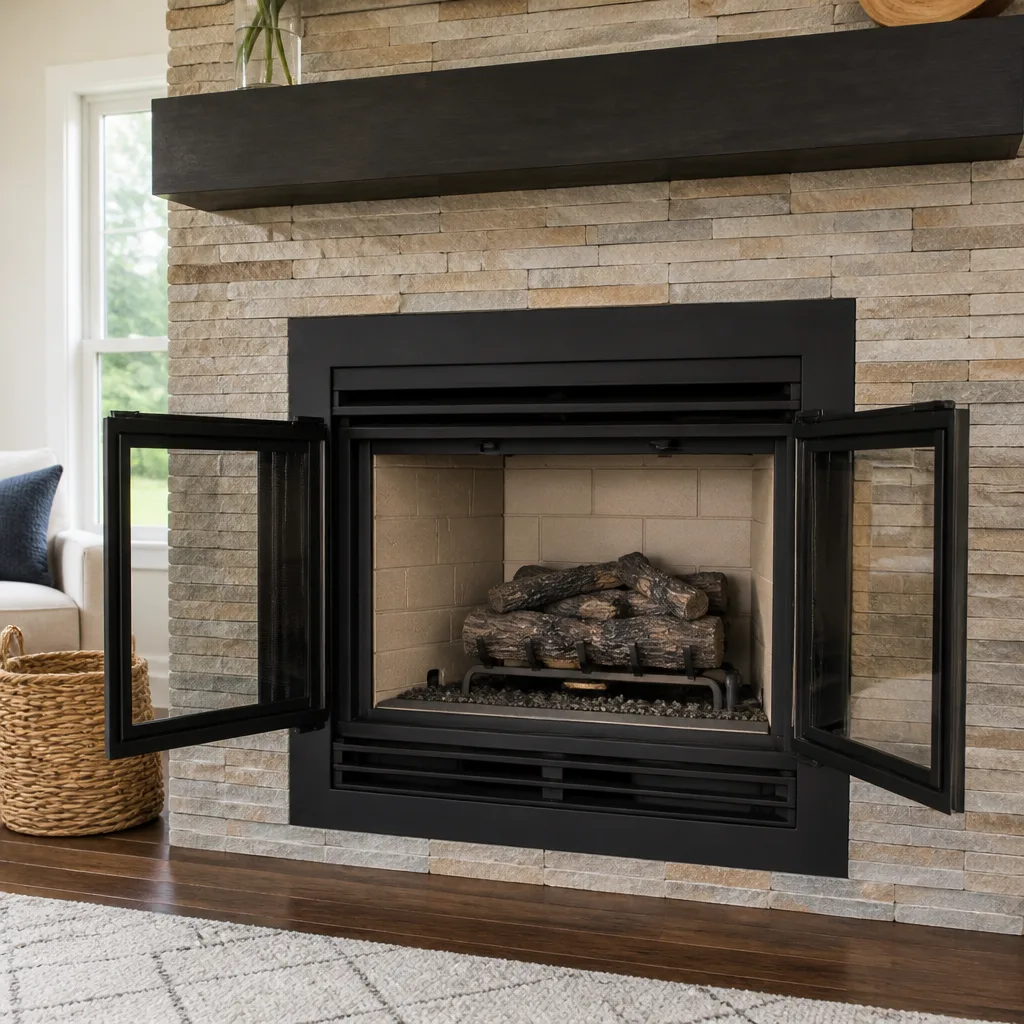 Gas fireplace service
Level 1 sweep and inspection to the NFPA 211 annual standard - flue, crown, cap, and flashing checked and photographed
Chimney sweep logs do not sweep chimneys. They loosen some creosote - which then falls where a brush and vacuum still have to collect it.
Chimney Cleaning Emergency Preparedness Guide for Sharpstown Homes
Most homeowners think a chimney emergency is a fire in the firebox. In our experience, the ones that actually cause damage start quieter than that. A chimney fire can sound like a low, rumbling roar from the flue, and the temperatures inside the chimney can climb past 2,000°F in under two minutes. You have roughly 90 seconds to respond correctly before panic takes over. That window is what this guide is about. We’ll walk through what to do during a chimney fire, how carbon monoxide differs from smoke risk, what to check after a Gulf Coast storm, and how to document damage for an insurance claim. Sharpstown homes have specific exposures worth understanding ahead of time.
Quick Answer
Build a chimney emergency plan before you need it: know the warning signs of a chimney fire, keep a working smoke and CO alarm on every level, know exactly where your damper handle and shutoff are, and have a post-storm inspection checklist ready. If you hear a roar or see flames or thick smoke coming from the chimney, call 911 first, then restrict air to the fire, then get everyone outside. Chimney Sweep Sharpstown inspects chimneys with a Level II-style assessment so you know what your flue can and can’t handle before a problem starts.
Styles & brands we work with
- Sweep & inspection
- Caps & crowns
- Flue relining
- Masonry repair
- Gas fireplace service
Table of Contents
- Why chimney emergency planning matters in Sharpstown
- Chimney fire response: exactly what to do, in order
- Using the damper as an oxygen-restriction tool
- Carbon monoxide vs. smoke: knowing which problem you have
- Post-storm chimney checks before you light another fire
- Documenting chimney damage for an insurance claim
- Building your chimney emergency plan
- Common mistakes to avoid
Why Chimney Emergency Planning Matters in Sharpstown
Sharpstown sits in a climate where fireplaces get used, but not constantly. That pattern is exactly what makes chimney problems sneak up. Long stretches of no use let creosote build up and dry out, then the first cold snap of the season brings a fire that tests a flue nobody has looked at since last year. Some of that creosote can ignite more easily than people realize.
Fireplaces across Sharpstown range from older wood-burning masonry units of the 1960s-era ranch homes to gas inserts and newer construction. Each type has its own emergency profile:
- Wood-burning masonry fireplaces accumulate creosote in the flue and smoke chamber faster than most owners expect. They’re also the type most likely to develop cracked mortar joints.
- Prefab and factory-built fireplaces have thinner flue walls. When they fail, they fail faster.
- Gas fireplace inserts produce less creosote but can still develop CO risks if the venting is blocked or the liner has separated.
Add the Gulf Coast weather pattern. Sharpstown gets heavy rain, occasional tropical systems, and enough wind to dislodge caps and knock bricks loose. A chimney that held up fine in June can have a shifted flue tile or a partially collapsed crown by October. The fireplace can look normal from the living room while the flue above it is compromised.
Emergency planning isn’t about being dramatic. It’s about knowing what you’ll do in the 90 seconds a real chimney fire gives you. That knowledge is built now, not later. If you’d rather establish a baseline first, our chimney sweep service pairs cleaning with an inspection so you know exactly what shape your flue is in.
Chimney Fire Response: Exactly What to Do, in Order
A chimney fire has a distinct signature: a low roaring sound like a distant train, thick dark smoke from the top of the chimney, a sudden draft pulling air hard into the firebox, and a smell of hot metal or burning tar. If you recognize any combination of those, you have seconds to act correctly.
- Call 911 first. Before anything else. A chimney fire can spread into the attic or roof framing within minutes even when it looks contained. Get emergency responders moving toward your house.
- Get everyone out of the house. Adults, children, pets. If the fire looks or sounds severe, this happens before or alongside the 911 call. Don’t stop to gather belongings.
- Close the fireplace doors or screen if you can do it safely. That restricts the air feeding the fire. If the doors are already closed, leave them.
- Close the damper only if it’s safe to reach. This is the oxygen-restriction step. More on this below. Never reach into a firebox that is still actively burning.
- If you have a chimney fire extinguisher (chimney bomb), deploy it per its instructions only if you know how to use it and can do so without endangering yourself.
- Evacuate and stay out. Meet the fire department at the front of the house and tell them what you observed.
- Do not use the fireplace again until a professional inspects the flue. Even a “small” chimney fire can crack tiles, warp a liner, or destroy the seal at the crown.
What you shouldn’t do: throw water down the flue (it can cause a steam explosion and shatter tiles), spray a garden hose into the firebox, or assume the fire is out because the roaring has stopped. Creosote can reignite. The flue is still hot.
After the fire department leaves, call a chimney professional for a Level II-style inspection. HeatShield ceramic resurfacing and DuraFlex liner systems are both used to restore flues damaged by chimney fires, and both are available through Chimney Sweep Sharpstown. The inspection finds out what actually needs repair before you spend anything.
Using the Damper as an Oxygen-Restriction Tool
The damper is a metal plate above the firebox that opens and closes the flue. In normal use, you open it before lighting a fire and close it afterward. In a chimney fire, it becomes the fastest way to cut the air supply feeding the flames. Every second the damper stays open, air rushes up the flue and gives the fire more fuel.
The trick is knowing where the handle is before an emergency. Practice this once now, when the firebox is cold:
- Open the firebox doors or screen.
- Look up and find the damper handle. Most are a crank on the front or a lever set inside the top of the opening.
- Open and close it slowly a few times so you know the feel and direction.
- Show everyone in the household where it is.
During a fire, close the damper from outside the firebox reach. If flames are billowing out of the opening, do not reach in. Safety comes before oxygen restriction. Never close the damper on a smoldering fire you’re still trying to extinguish slowly – the correct sequence is always: people out, 911 called, then oxygen restricted.
After a chimney fire, that damper needs to be checked for warping. A damaged damper that won’t close all the way means you’re leaking heat and smoke into the room every time the fireplace is used. We see this on Sharpstown fireplace inspections regularly; it’s fixable through fireplace repair and worth catching before the next burning season.
Carbon Monoxide vs. Smoke: Knowing Which Problem You Have
Most chimney emergencies produce smoke you can see. The dangerous ones don’t. A blocked, cracked, or separated flue lets carbon monoxide back into the living space without any visible smoke. That’s the scenario every homeowner needs to understand.
Here’s the difference, plainly:
- Smoke backup is usually a draft or blockage problem. It’s visible, it smells, and while it’s annoying and unhealthy, you have time to react.
- CO intrusion is a venting failure. It’s invisible, it has no smell, and it can build up in a closed house faster than most people realize. The symptoms – headache, dizziness, nausea, confusion – often mimic a cold or flu.
What causes CO to come back into the house instead of up the flue?
- A flue clogged by a bird nest, debris, or heavy creosote accumulation.
- A cracked flue tile or a failed liner that lets exhaust escape into the chimney chase.
- A disconnected or sagging vent connector on a gas appliance.
- A negative-pressure condition inside the house pulling exhaust back down the chimney.
- A partially collapsed crown or a missing cap letting water and debris into the flue.
If your CO alarm sounds and you have a fireplace or gas appliance running, treat it as a venting emergency: open windows, get everyone out, call 911, and don’t re-enter until cleared. After any CO event, the chimney needs an inspection before that appliance is used again.
For Sharpstown homeowners with gas fireplaces or inserts, a yearly inspection is worth more than the alarm on the wall. Our technicians can scan the vent path and check the liner connections so CO has nowhere to slip. Our technicians have up to 14 years of experience with these systems.
Post-Storm Chimney Checks Before You Light Another Fire
Gulf Coast storms arrive with wind, driving rain, and hail that can damage a chimney without the owner ever noticing from the ground. Before the first fire of fall, spend 15 minutes with a flashlight and binoculars. Here’s the checklist:
- Cap in place: Is the cap still attached and level? A tilted or missing cap lets water, birds, and squirrels straight into the flue.
- Crown integrity: Look for cracks, spalling (flaking), or a gap where the crown meets the flue tile. A failed crown is a water entry point.
- Mortar joints: Scan the brickwork from the ground up with binoculars. Missing or crumbling mortar above the roofline is a real sign of storm damage.
- Flue tile: If you can see down the flue with a flashlight from the firebox, look for displaced or cracked tiles.
- Debris inside the firebox: Leaves, twigs, or nesting material inside the firebox mean something came down the flue.
- Water staining: Brown streaks on the firebox brick or rusty damper parts point to water intrusion after a storm.
- Firebox interior: Cracks in the firebrick or mortar here can let heat reach framing.
Anything that looks off – displaced cap, cracked crown, mortar loss, water staining – means the chimney should be inspected before it’s used. A chimney cap & crown replacement is a common post-storm repair; when the cap or crown fails, the flue above the firebox takes on water every time it rains.
Two things not to do after a storm. Don’t climb the roof yourself in wet conditions. And don’t assume a chimney “looks fine” from the yard means it’s safe – the flue interior is where most damage hides.
Documenting Chimney Damage for an Insurance Claim
Homeowners insurance generally covers chimney damage from a covered event – storm, wind, hail, falling debris – but not damage from long-term deferred maintenance. That distinction is where most claims get denied. The key is documentation that separates “the storm cracked the crown” from “the crown was already failing before the storm.”
Here’s what adjusters typically look for:
- Photos before the storm. If you have any dated photos showing the chimney in good condition, they help. A clean inspection report from before the event is even better.
- Photos after the storm showing the actual damage, taken from the ground and from the roof if safe.
- A written inspection report from a chimney professional describing observed damage, likely cause, and the recommended repair scope.
- Itemized repair scope with materials and labor. Adjusters want to see exactly what’s being replaced and why.
- Date and event reference – the storm name, date, or event report if available.
What doesn’t help: a handwritten note, a photograph taken weeks later, or a verbal description with no paper trail. If you have documents from a recent home purchase (pre-purchase inspection, appraisal), dig those out.
An inspection-first approach is the cleanest way to build that file. Chimney Sweep Sharpstown performs NFPA 211-style visual inspections and Level II-style inspections with documentation of what we found and what it will take to fix it. That written report is exactly the type of document an adjuster can use. Fast dispatch from 7am to 7pm is available for post-storm inspections; call (833) 991-8956 to schedule.
Building Your Chimney Emergency Plan
You don’t need a binder. You need four things in place before anything happens.
- Working smoke and CO detectors on every level and near sleeping areas. Test them monthly. Change batteries on a schedule you’ll remember.
- A 15-minute cold-start walkthrough. Find the damper handle, identify the appliance shutoffs (gas valve, if you have a gas insert), locate your fire extinguisher, and confirm everyone in the household knows where those are.
- A pre-season chimney inspection. Book it in late summer or early fall before the first fire of the year. That’s when any issue is still a maintenance item rather than an emergency.
- A post-storm checklist on the refrigerator. The one in the section above is enough – print it and stick it up.
Beyond that, keep the plan simple. Rehearse the recognition of a chimney fire once with the household. Everyone should know the three step: everyone out, 911 called, oxygen restricted only if safe. If you can say that back in your sleep, you have the plan.
For homeowners who’d rather have a professional baseline before building the rest, an inspection ties directly to every other service we offer. Our Chimney Sweep Sharpstown team handles sweep, repair, and documentation in a single visit, which means fewer phone calls and one accountable answer. Chimney Sweep Sharpstown connects Sharpstown homeowners with the local professionals who handle this work.
Common Mistakes to Avoid
- Waiting to hear the roar before acting. By the time a chimney fire produces that sound, the flue is already hot enough to do real damage. If the fire feels wrong, it is – call 911.
- Throwing water down the flue. The thermal shock can shatter clay tiles and cause a steam explosion. Firefighters use monitored suppression for a reason; this isn’t a kitchen grease fire.
- Assuming the fire is out once the roaring stops. Creosote can reignite for hours. The flue stays hot long after the noise. Treat it as active until a professional says otherwise.
- Not having the damper handle location memorized. In a Sharpstown ranch home with an older fireplace, the damper can be a crank or a lever in an unexpected spot. Find it now, not in an emergency.
- Skipping the post-storm inspection because the fireplace “looks fine.” Gulf Coast storms cause internal flue damage that isn’t visible from the living room. The chimney looks normal because the damage is above it.
- Lighting the first fire of the season without a pre-season inspection. A year of idle buildup plus a cold snap is a bad combination. Sharpstown fireplaces often sit unused for months, which lets creosote dry and harden.
- Taking a smoke-only view of CO risk. Gas fireplace inserts in Sharpstown homes produce little visible smoke, so venting failures go unnoticed. A CO detector and an annual inspection are both non-negotiable.
See the difference
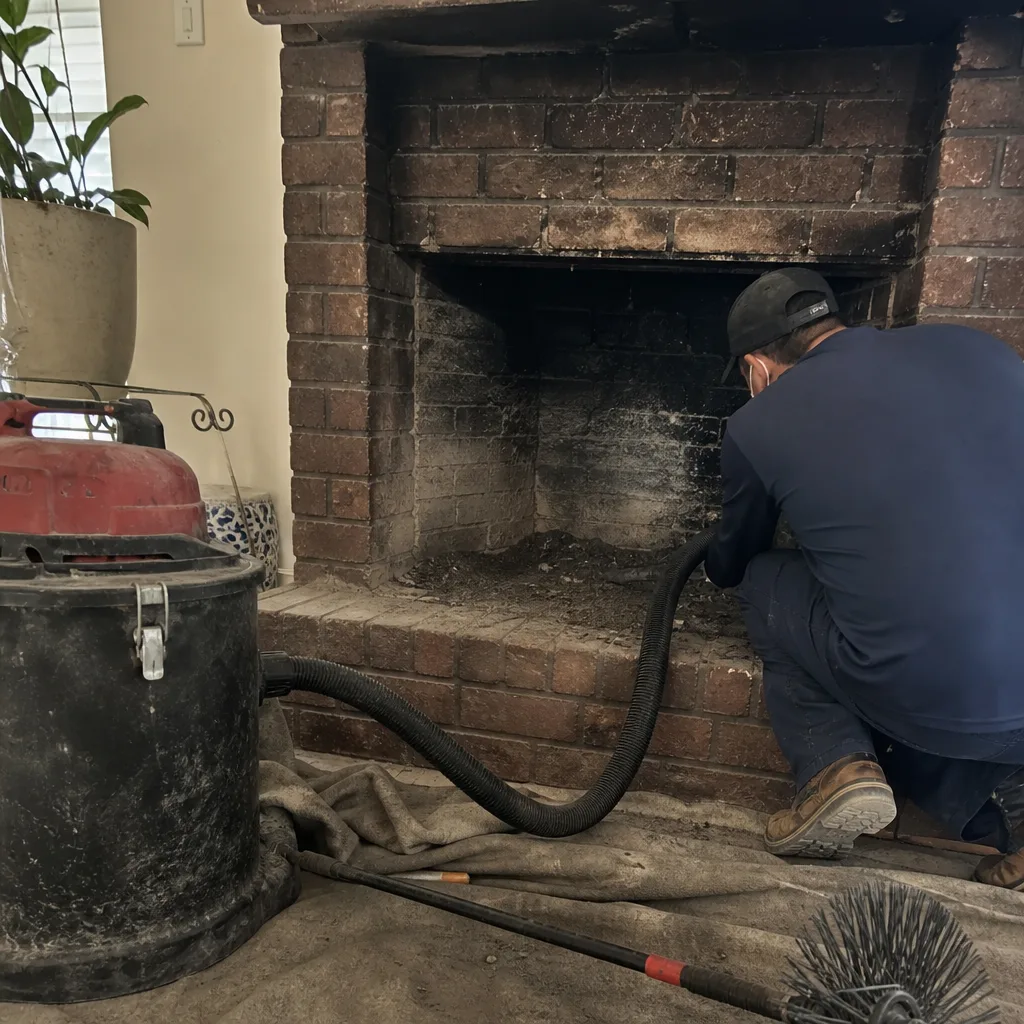 Before
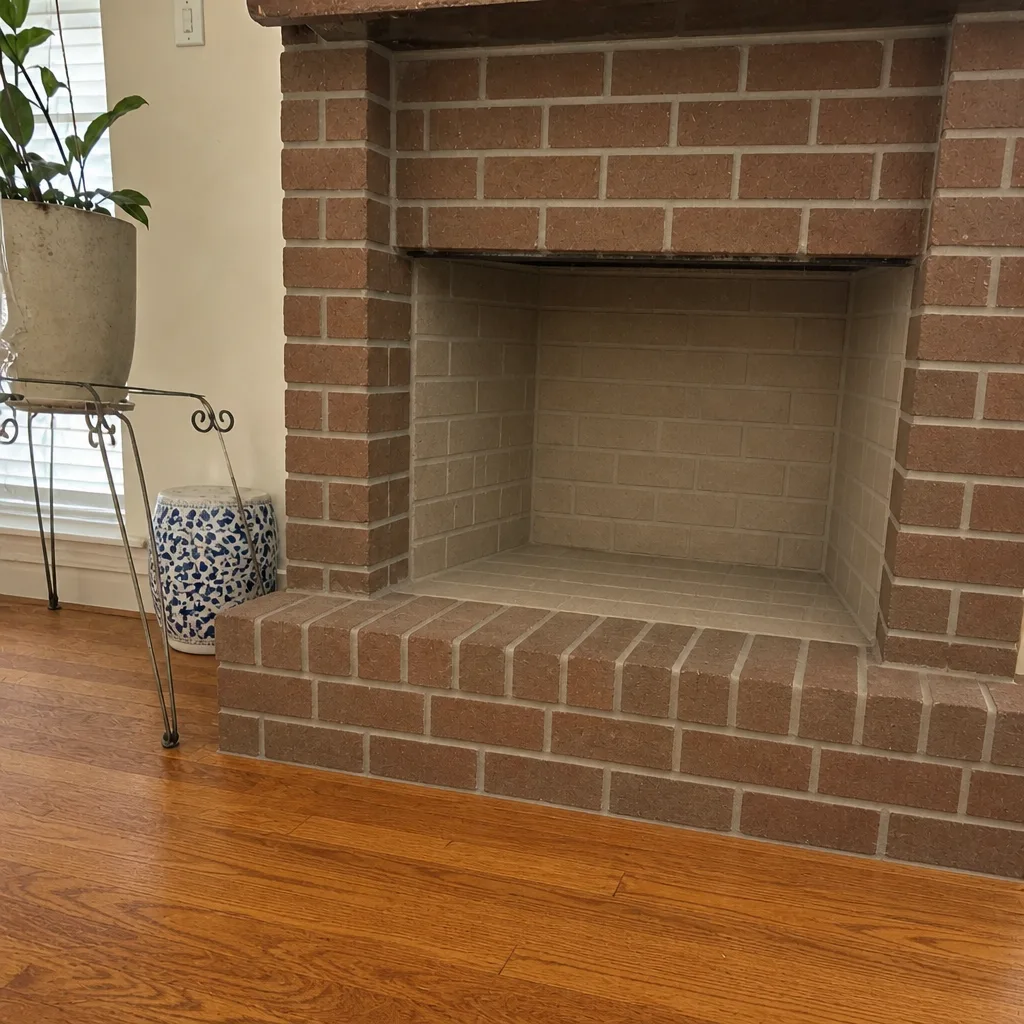 After
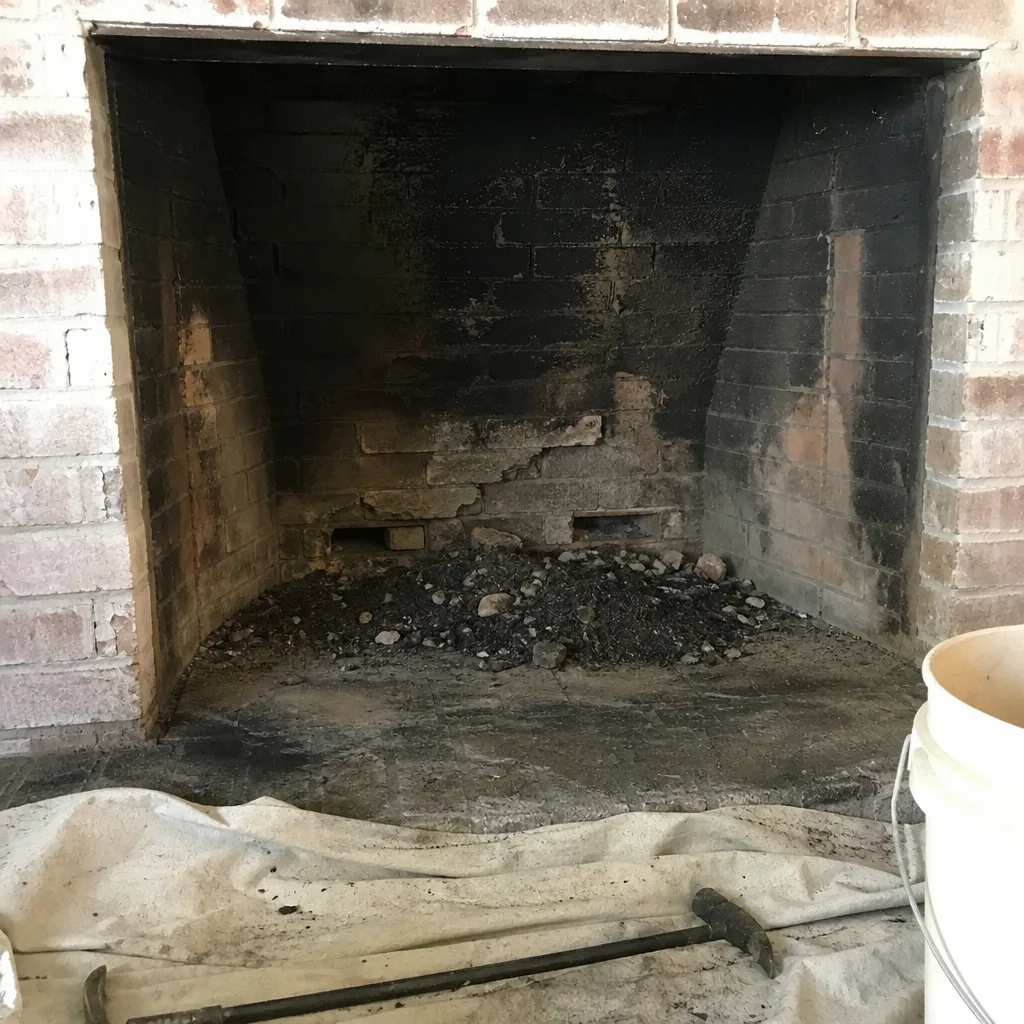 Before
 After
 Before
 After
When to Call a Professional
Call us the moment you suspect you’ve had a chimney fire, even a small one. Call us after any storm that produced visible damage to your roof, chimney, or surrounding trees. Call us if your CO detector has ever sounded near a fireplace or gas appliance, even if it reset itself. Call us if your damper won’t close all the way, if you smell smoke or a chimney odor when no fire is burning, or if a prior inspection turned up problems you haven’t yet had repaired. And call us before the first fire of the season as a baseline – it’s the cheapest insurance you can buy. Chimney Sweep Sharpstown offers free estimates in Sharpstown – call (833) 991-8956. We answer 24/7. Fast dispatch from 7am to 7pm, Sunday through Friday.
Frequently Asked Questions
Common signs include a low rumbling roar from the flue, thick dark smoke or flames from the chimney top, a strong draft pulling into the firebox, and a smell of hot metal or burning tar. Sometimes the only sign is puffy, “honeycombed” creosote found on a later sweep. If you suspect any of these, treat it as a fire: call 911, get everyone out, then call us for a Level II-style inspection before using the fireplace again. Call (833) 991-8956 for an exact quote – estimates are free.
Yes, if you can do it safely. Closing the damper restricts the air feeding the fire and slows its growth. But only reach for it when the firebox isn’t actively burning out into the room; never reach into a firebox full of flames. People first, 911 second, oxygen restriction third. Call (833) 991-8956 to schedule an inspection after any chimney fire, even a small one.
Smoke backup is visible and smell-able – you know it’s happening. CO intrusion is invisible and odorless and comes from a blocked, cracked, or separated flue. Smoke backup gives you time to react. CO can build up in a closed house fast and mimic flu symptoms. Any CO event near a fireplace or gas insert means the chimney needs inspection before re-use. Call (833) 991-8956 – estimates are free.
Check the cap, the crown, the visible mortar joints, the flue tile if you can see it, and the firebox for debris or water staining. A tilted cap, a cracked crown, or crumbling mortar above the roofline all mean the chimney should be inspected before use. Don’t climb the roof yourself in wet conditions – call (833) 991-8956 and we’ll inspect from a safe position.
Usually yes for a covered event like wind, hail, or falling debris; usually no for long-term deferred maintenance. The difference comes down to documentation: photos of the chimney before and after, a written inspection report from a chimney professional, and an itemized repair scope. That written report is exactly what Chimney Sweep Sharpstown provides after a post-storm inspection. Call (833) 991-8956 to schedule.
Chimneys used regularly for wood-burning should be swept and inspected yearly, and any chimney should be inspected after a chimney fire, a significant storm, a change in appliance, or a period of non-use over a year. Gas inserts still need annual vent checks even though they produce less creosote. Call (833) 991-8956 for an exact quote – estimates are free.
The Bottom Line
Chimney emergencies split into two categories: active events like a chimney fire or CO intrusion that need immediate action, and storm-damage situations that leave a fireplace unsafe until inspected and repaired. Both are manageable with a plan. Know the 90-second chimney fire protocol – people out, 911 called, damper closed only if safe. Test your CO detectors. Put the post-storm checklist where you can find it. And get the chimney inspected before the first fire of the season. Chimney Sweep Sharpstown handles the sweep, the inspection, and whatever repair the inspection uncovers, from liner restoration to cap and crown work. Call (833) 991-8956. We answer 24/7. Fast dispatch from 7am to 7pm, Sunday through Friday.
Written by the team at Chimney Sweep Sharpstown.